


Fall brings cooler days, colorful leaves, pumpkin patches, farmers' markets, and more time for cozy play at home.
For toddlers and preschoolers, the season also offers plenty of inspiration for pretend play, creative exploration, movement, and everyday learning.
A great fall toy doesn't have to be designed specifically for autumn. The most versatile toys can become part of a pumpkin patch, a farmers' market, a cozy café, or a make-believe forest.
For this roundup, we've chosen toys that offer open-ended play, seasonal versatility, hands-on exploration, and opportunities for children to practice age-appropriate skills through play.
Here are 7 fall-friendly toys for toddlers and preschoolers, along with simple ways to bring each one into your child's autumn play.

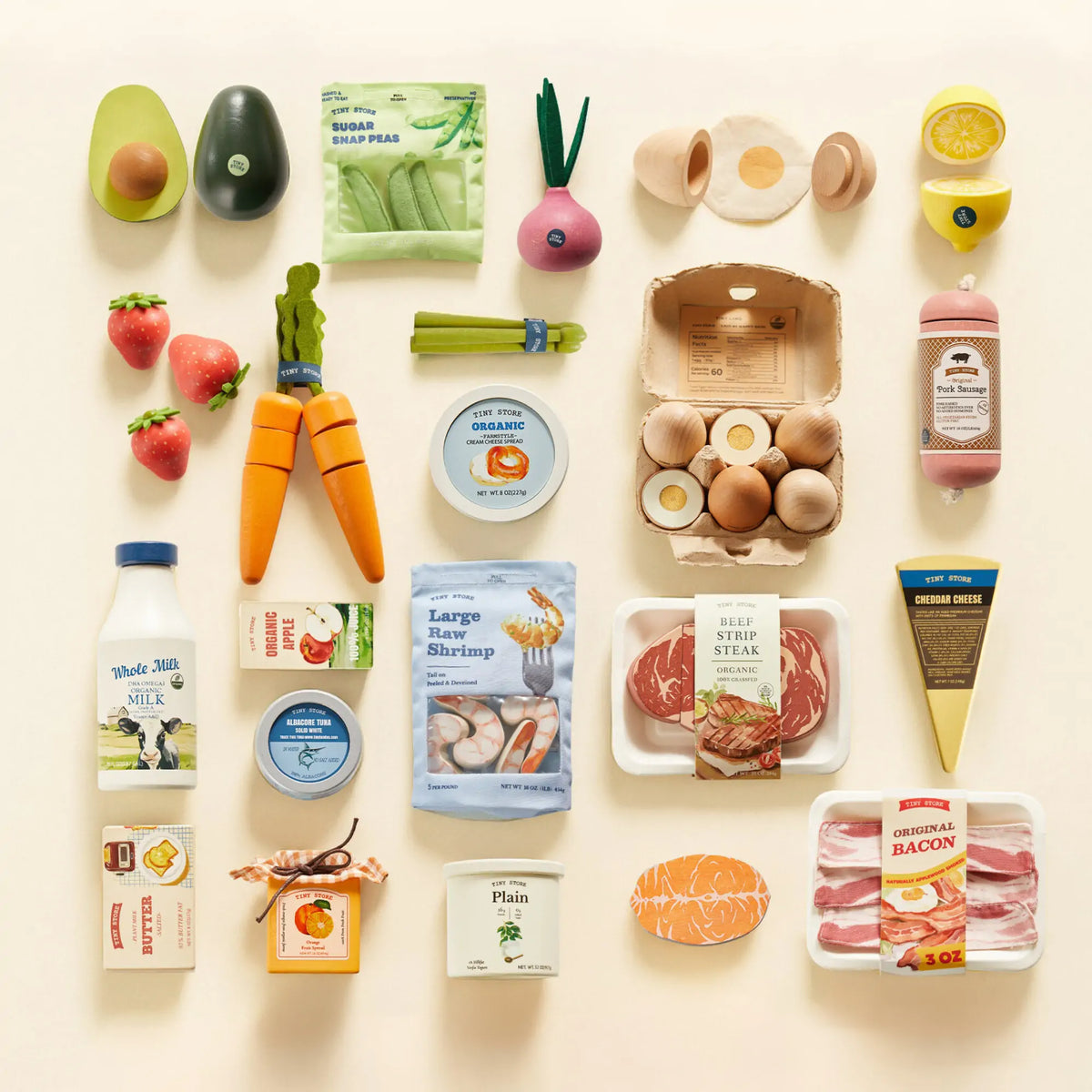
1. Kids Grocery Store Playset: For a Fall Farmers' Market
Best for: Pretend play, early math, language, and sorting
Why It Works for Fall
Apples, pumpkins, vegetables, and other seasonal foods give children an easy real-world theme for pretend shopping.
How to Play
Turn the playroom into a fall farmers' market. Add play fruits and vegetables, baskets, and a simple shopping list.
Your child can choose to be the farmer, shopkeeper, or customer. They might organize produce, fill a basket, make a shopping list, or “sell” the day's harvest.
Try asking:
-
“What should we sell at our market?”
-
“How many apples do we need?”
-
“Can you find all the red foods?”
-
“What should we put in our basket?”
Toddlers can focus on naming, matching, and simple pretend actions. Preschoolers can count items, create shopping lists, compare quantities, and switch between roles.
Skills Children Can Practice
Vocabulary · Early Math · Sorting · Communication · Social Interaction · Pretend Play
Pretend shopping gives children a reason to use numbers, categories, and language within a meaningful play scenario.

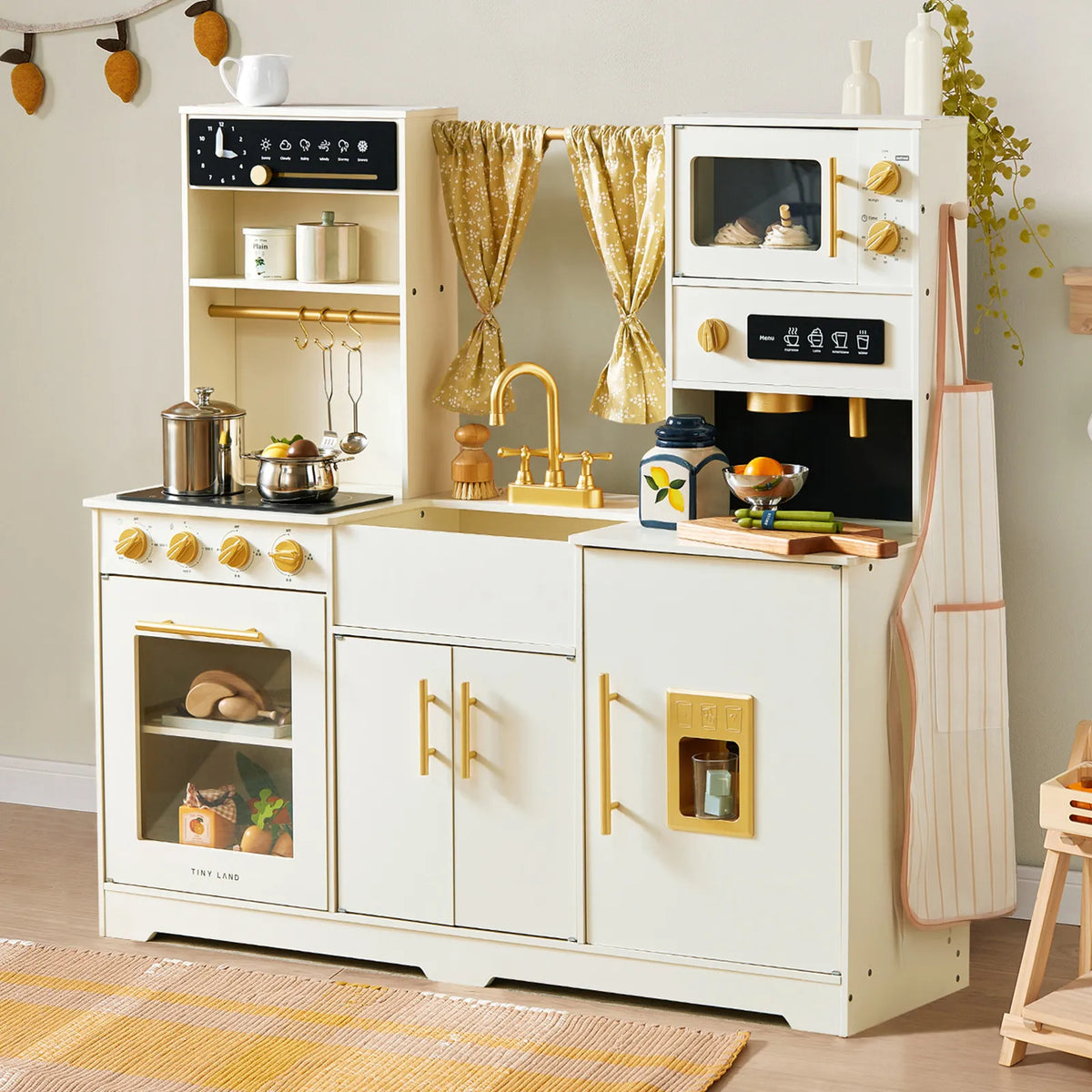
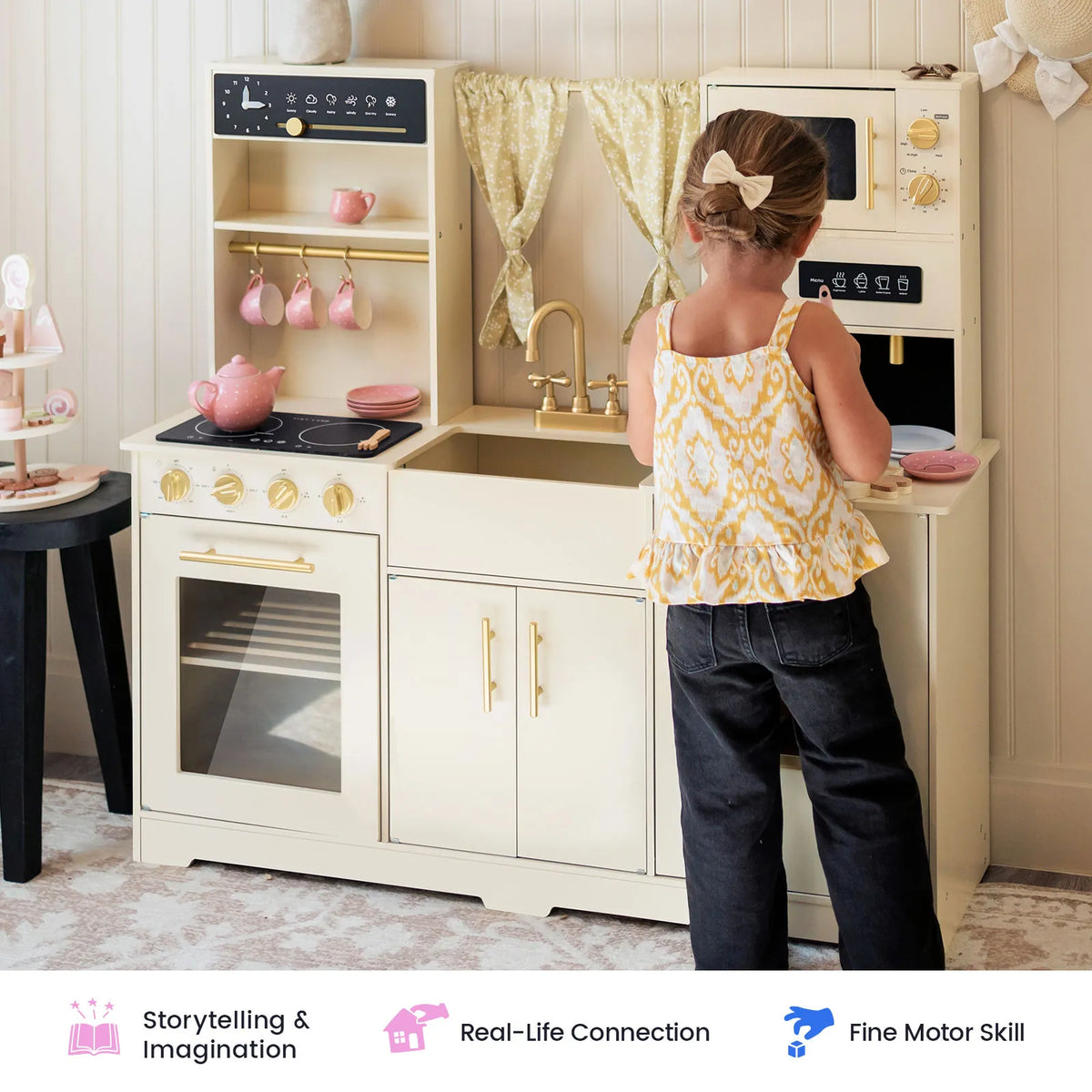
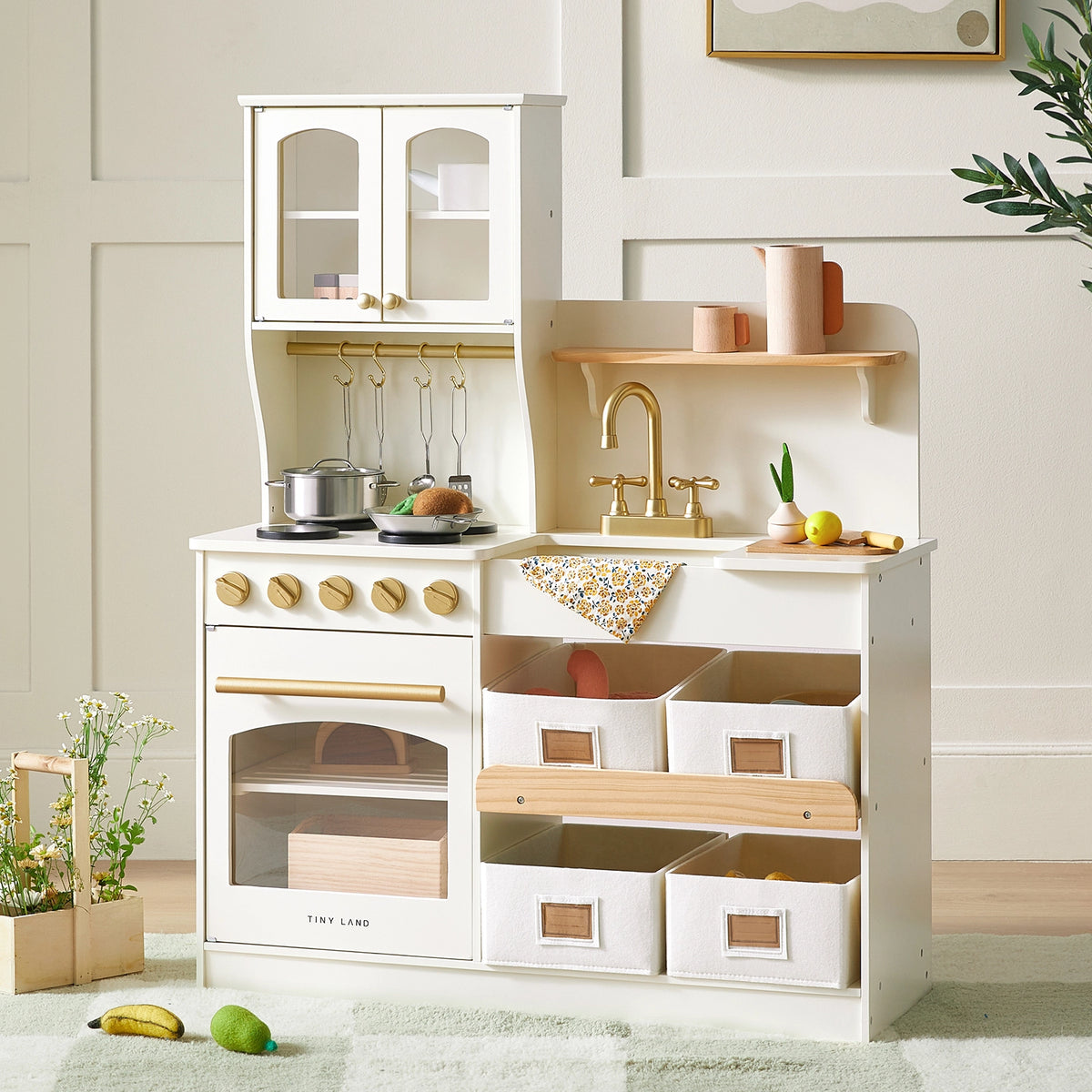
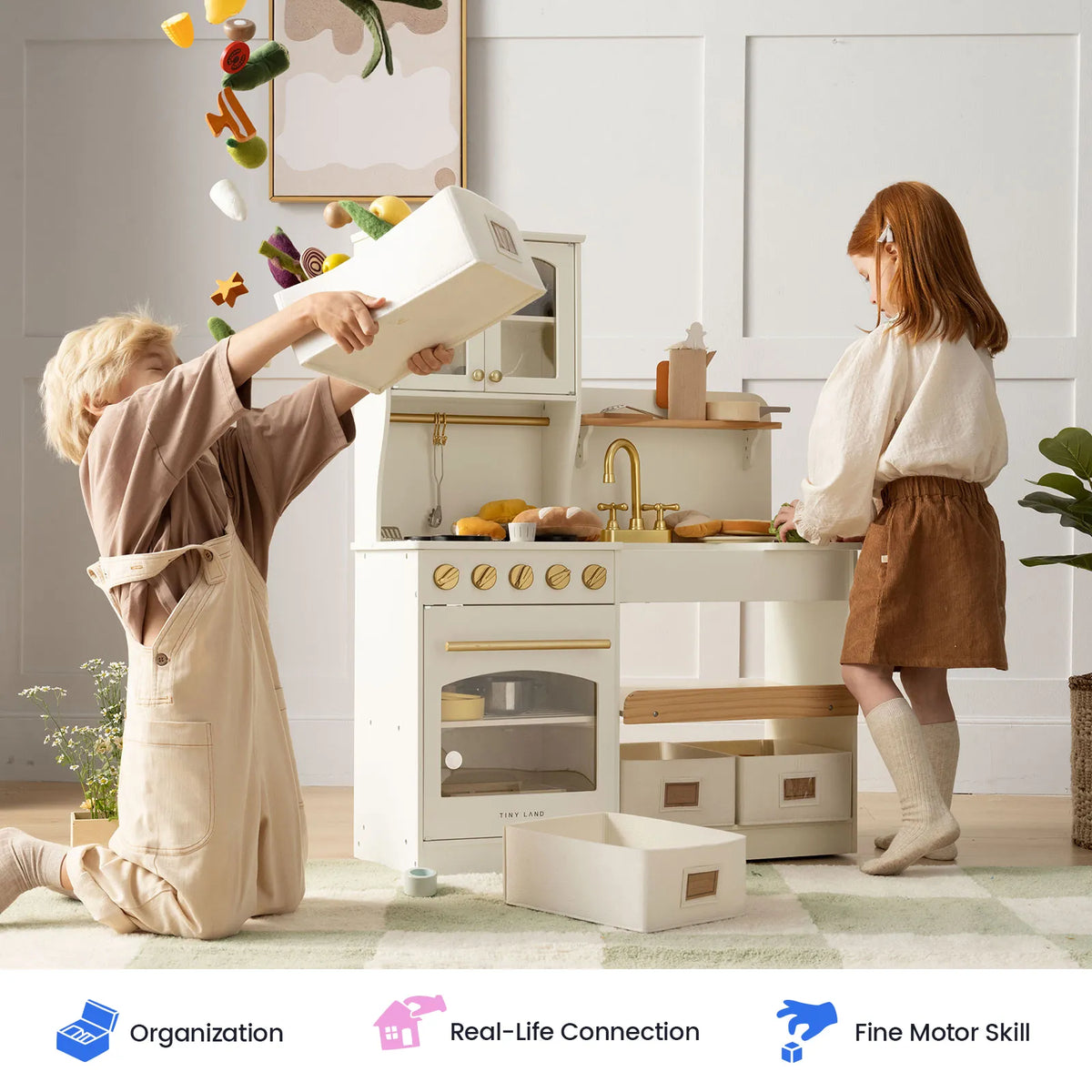
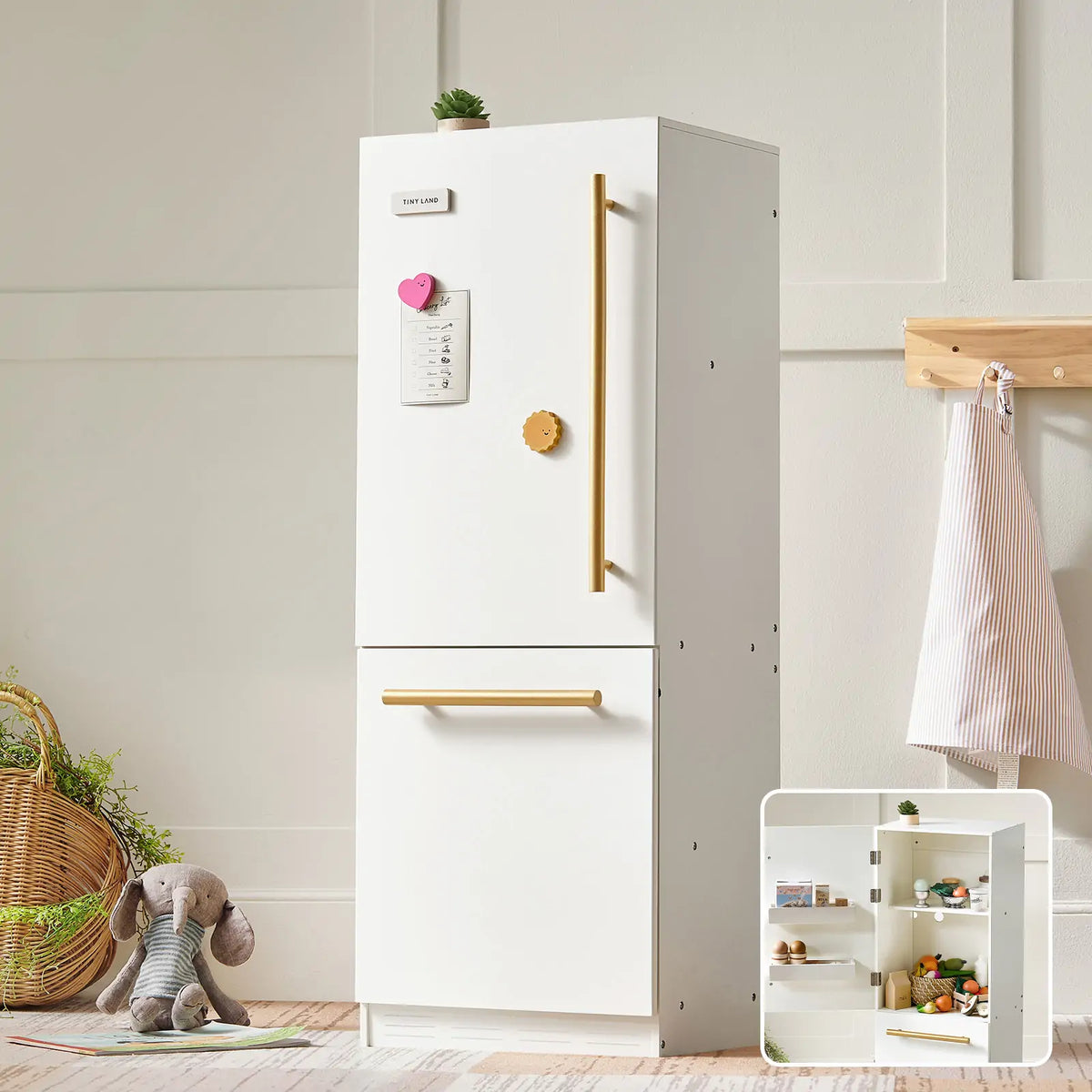
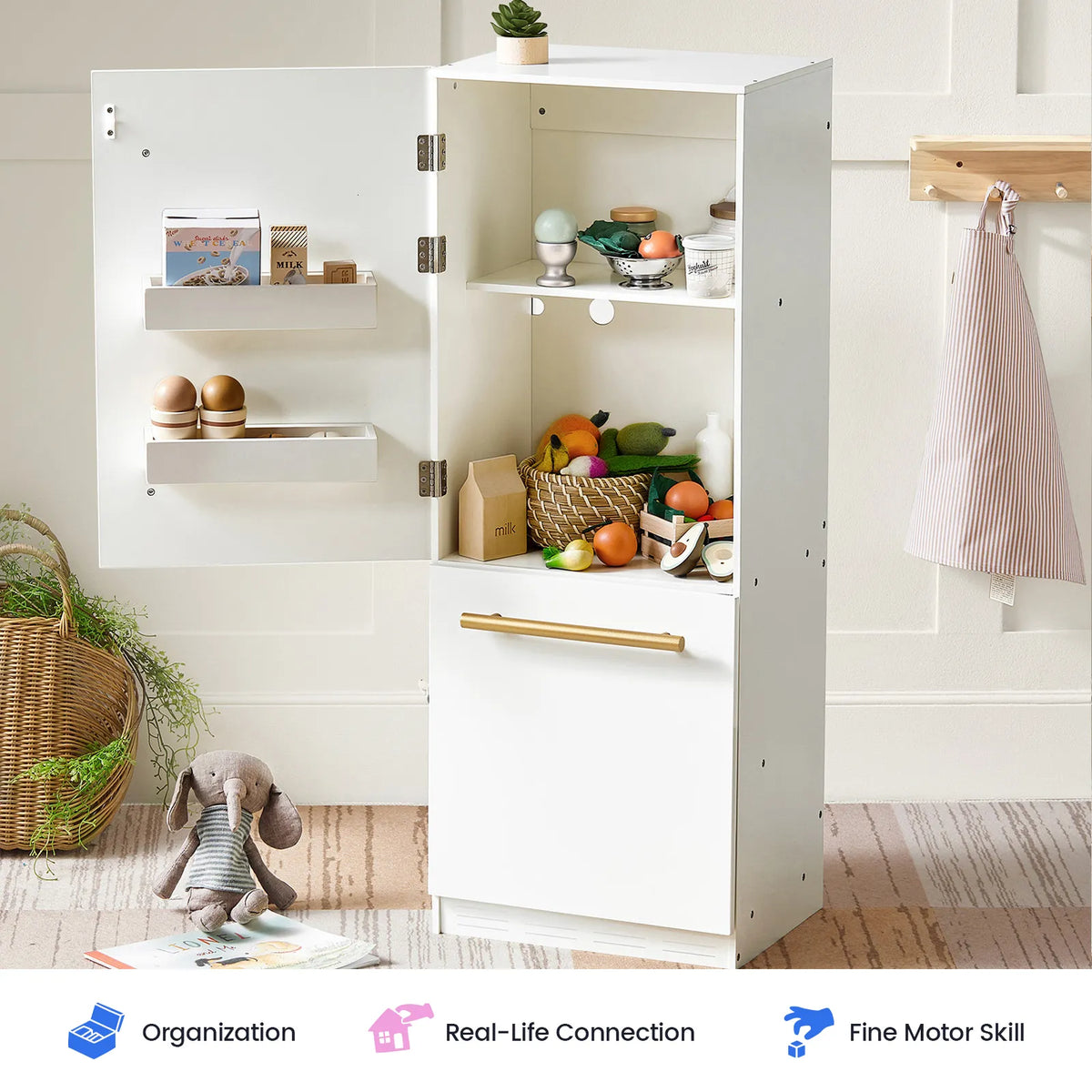
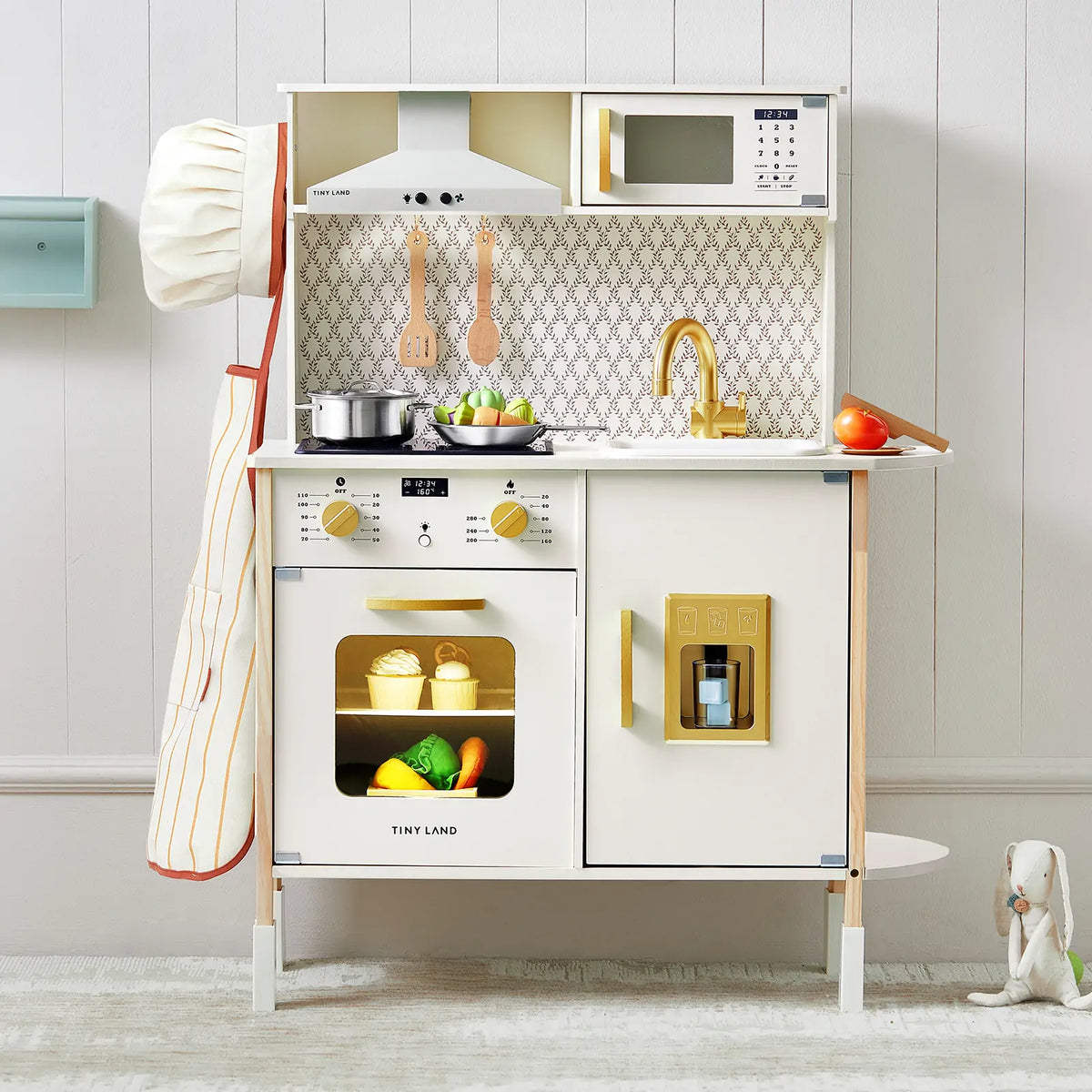
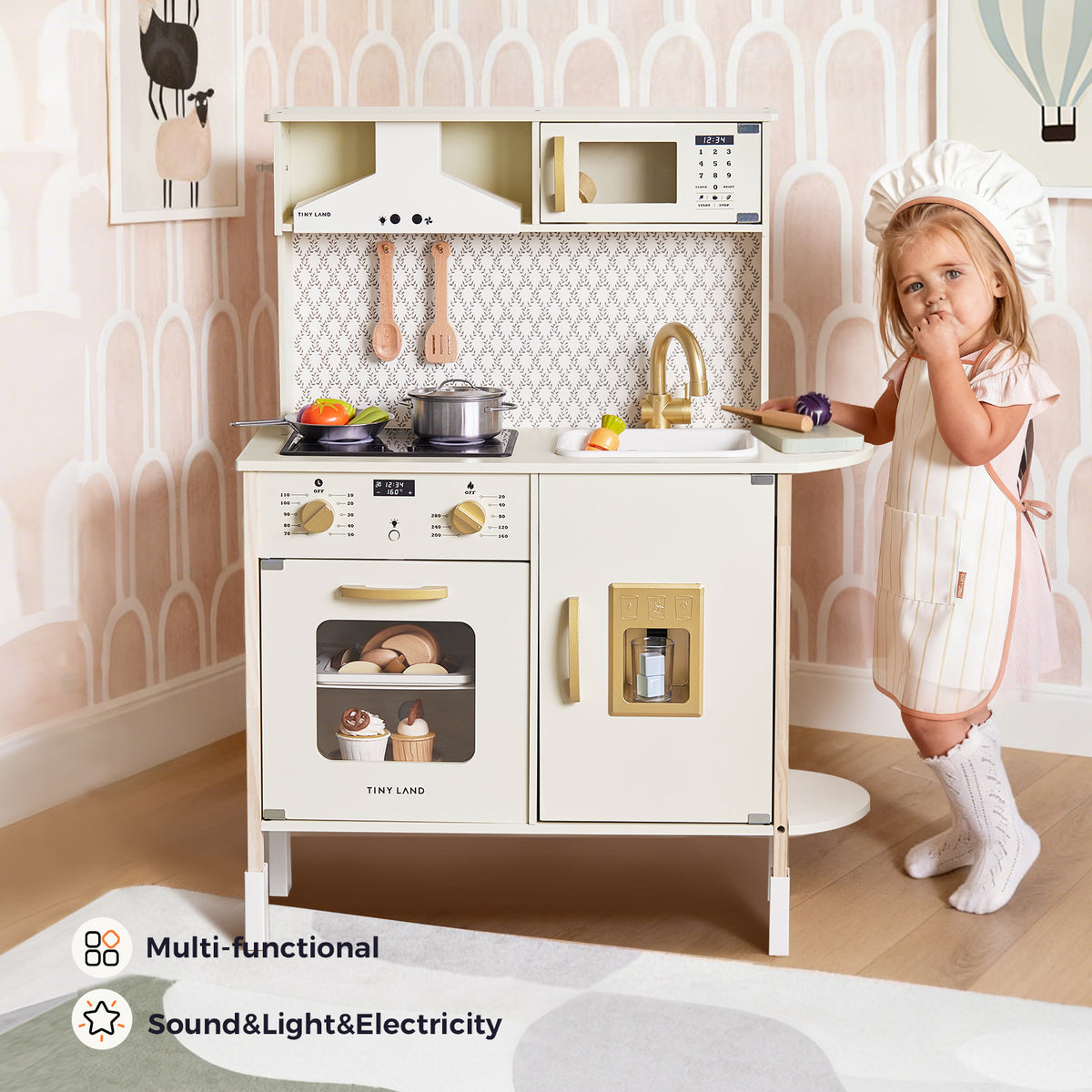
2. Play Kitchen: For Cozy Fall Cooking
Best for: Imaginative play, sequencing, vocabulary, and everyday routines
Why It Works for Fall
Cooler days create a natural opportunity for children to recreate familiar cooking routines and imagine their own seasonal meals.
How to Play
Invite your child to prepare a pretend fall meal such as pumpkin soup, apple pie, or a family dinner in their own kitchen.
Rather than telling your child exactly what to do, let them decide what belongs in the meal.
Ask:
- “What are we making today?”
- “What ingredients do we need?”
- “What should we do first?”
- “What happens next?”
Children can pretend to wash, prepare, mix, cook, and serve their food. As they move through the steps, they can describe their actions and practice putting a familiar routine in order.
Toddlers can keep the sequence simple. Preschoolers can create their own recipes, add more steps, and take on different roles.
Skills Children Can Practice
Vocabulary · Sequencing · Following Directions · Imaginative Play · Communication · Independence
The play becomes richer when children make decisions about what to prepare and explain what they are doing.

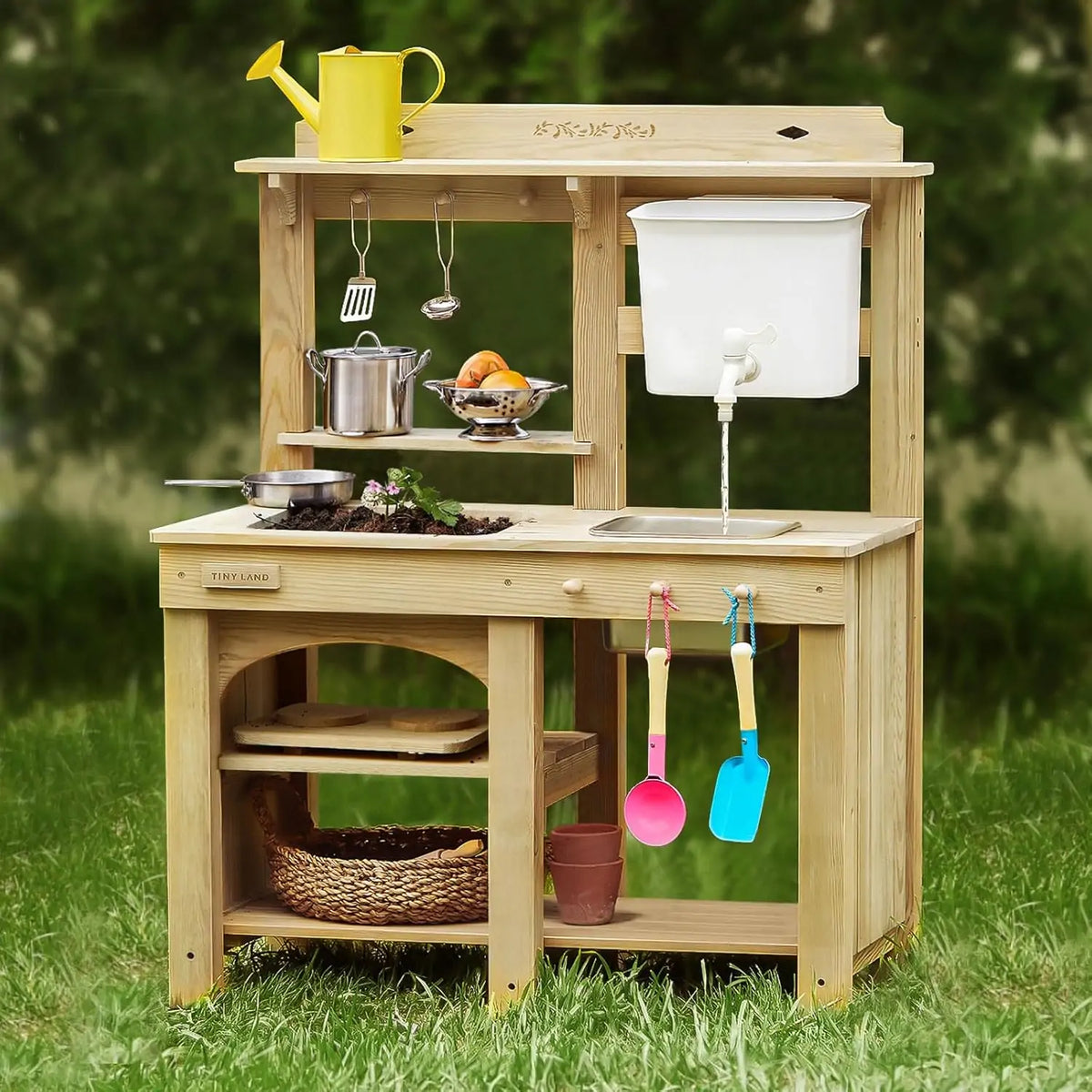
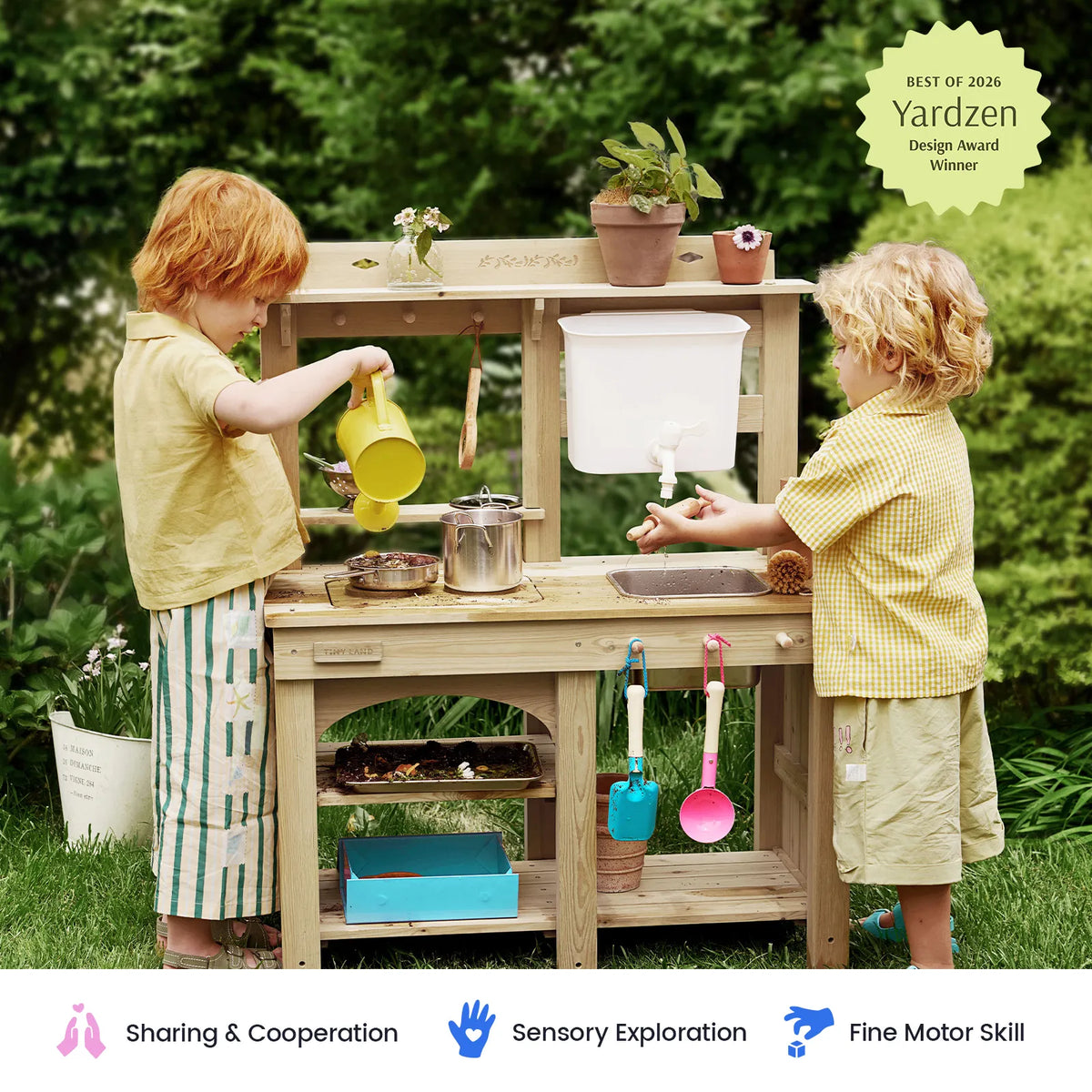
3. Mud Kitchen: For a Pumpkin Washing Station
Best for: Fine motor practice, sensory exploration, sequencing, and outdoor play
Why It Works for Fall
Pumpkins, garden vegetables, and outdoor harvest themes make fall a natural setting for hands-on water and mud play.
How to Play
Pretend that your child has just brought pumpkins or vegetables home from the garden.
Invite them to follow a simple routine:
Fill → Wash → Rinse → Put Away
Children can fill containers with water, wash their pretend produce, rinse it, and place the clean items into a basket.
Talk through what your child is doing:
- “You're filling the cup.”
- “Now you're washing the pumpkin.”
- “Where should we put the clean vegetables?”
The repeated actions give children opportunities to coordinate their hands and eyes while following a simple sequence.
Skills Children Can Practice
Fine Motor Skills · Hand-Eye Coordination · Sequencing · Sensory Exploration · Practical-Life Skills
The goal isn't to complete the routine perfectly. Let children experiment, make choices, and create their own outdoor play story in Tiny Land mud kitchen.

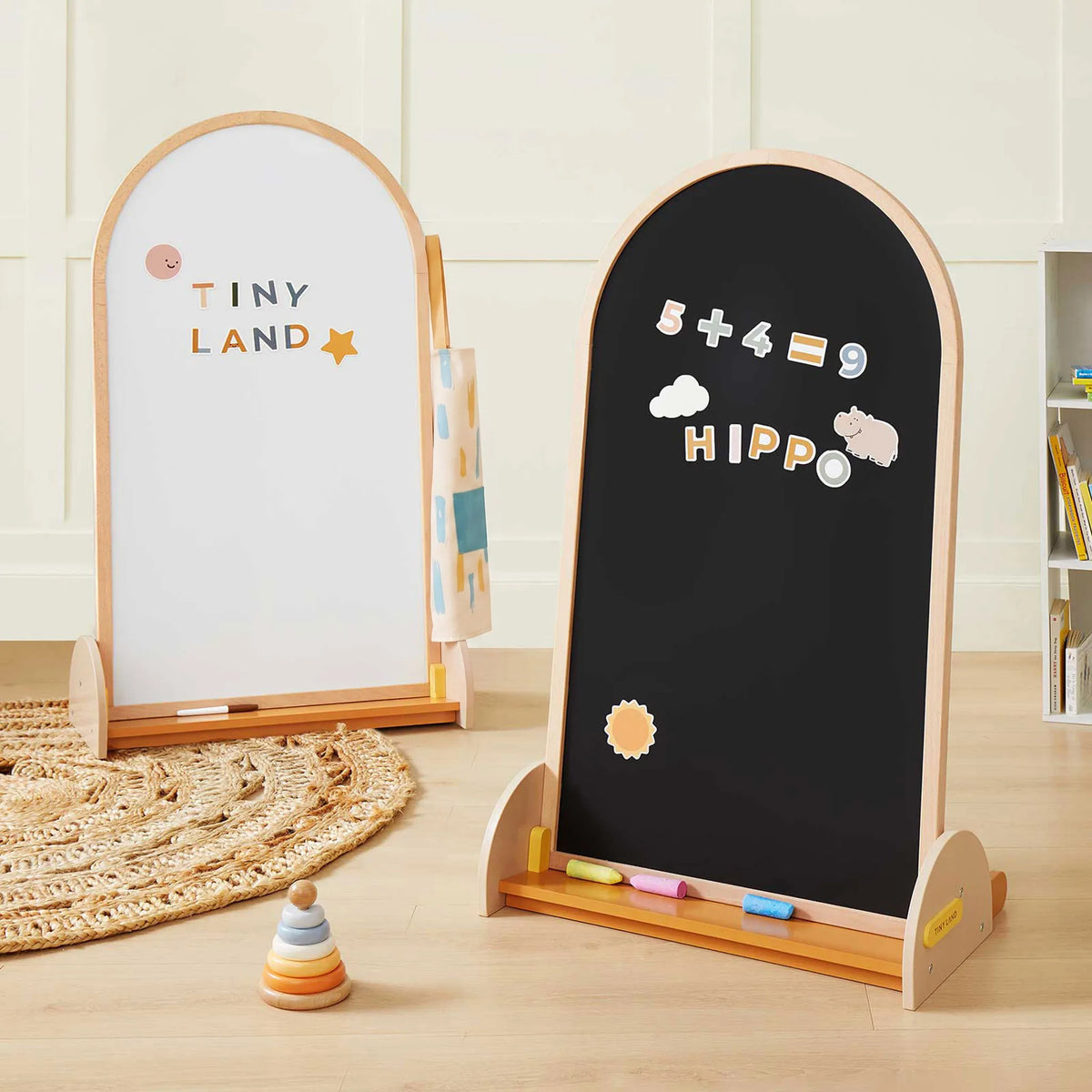
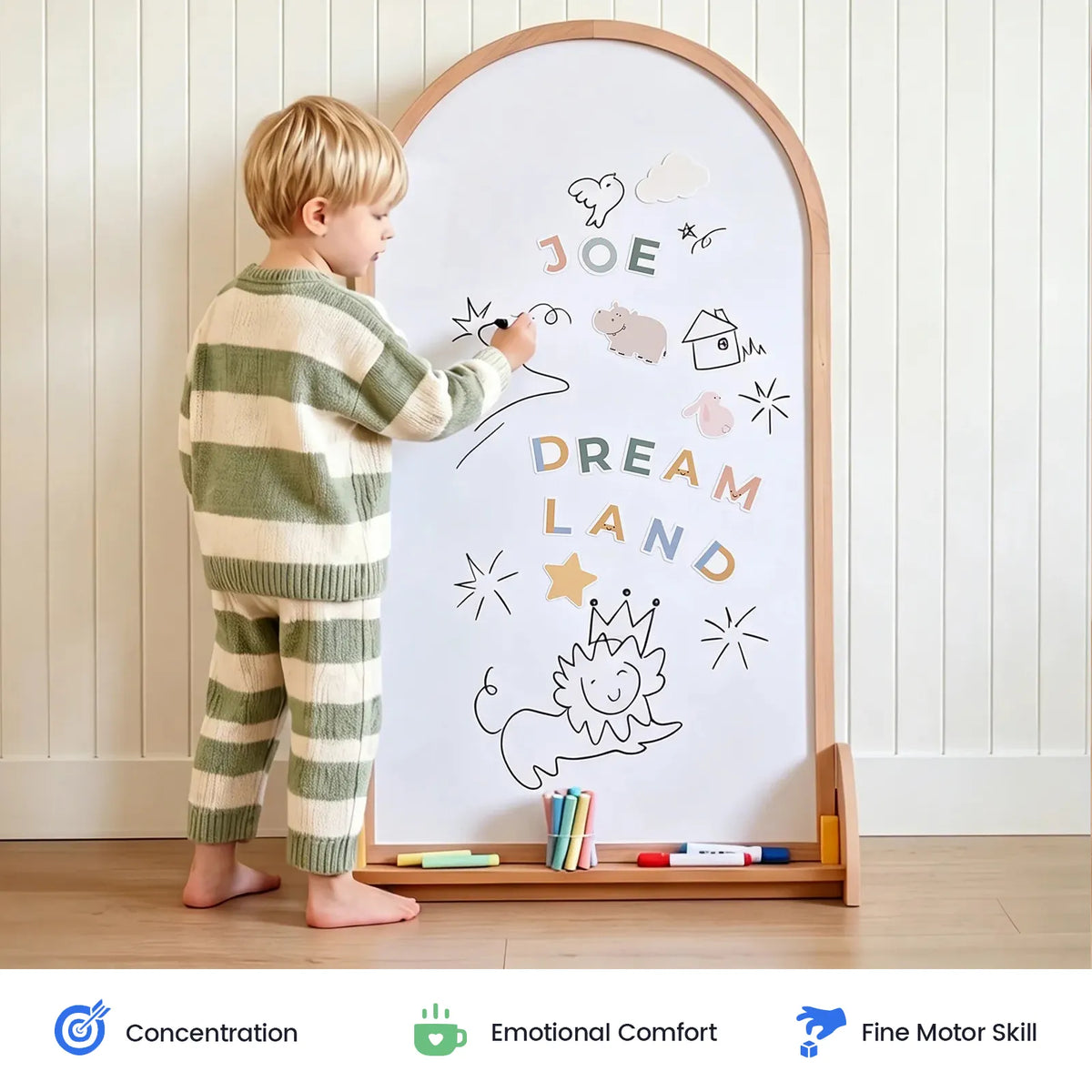
4. Kids Easel: For Fall Art and Early Writing
Best for: Creativity, self-expression, observation, and early literacy
Why It Works for Fall
Colorful leaves, pumpkins, trees, and changing weather give children plenty of seasonal subjects to observe and recreate.
How to Play
Invite your child to create a fall picture at the easel. They might draw:
-
A pumpkin patch
-
Colorful leaves
-
A forest
-
Their favorite fall activity
-
A pretend farmers' market
Then connect art to pretend play.
After drawing a pumpkin, your child could create a sign for a pretend pumpkin stand. Or they could make a menu for a fall café.
Toddlers can explore colors, shapes, and simple marks. Preschoolers can experiment with letters, numbers, recognizable objects, and simple words.
Skills Children Can Practice
Creativity · Self-Expression · Early Writing · Observation · Fine Motor Practice · Decision-Making
Instead of focusing on making a perfect picture, give children choices about what they want to create and how they want to create it.

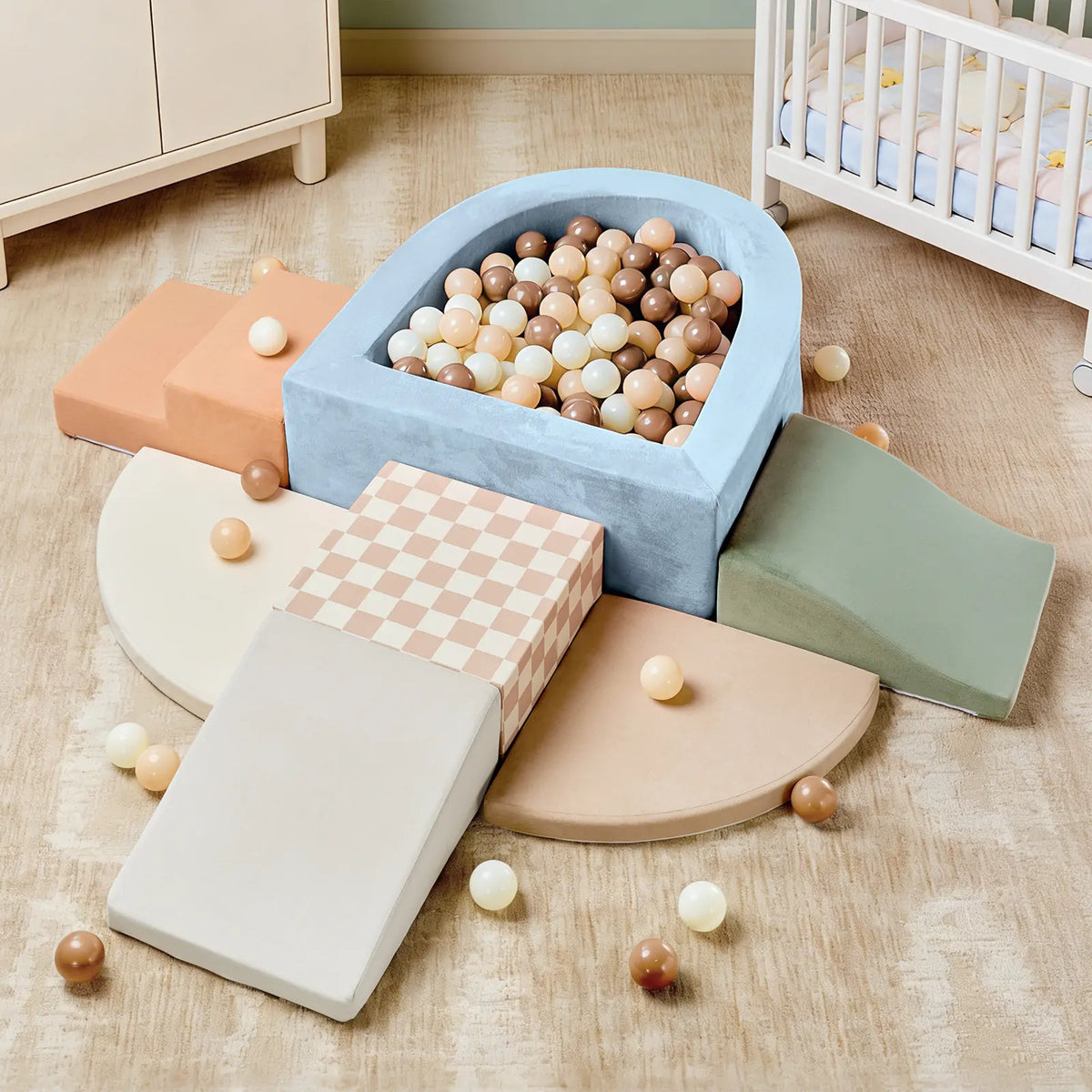
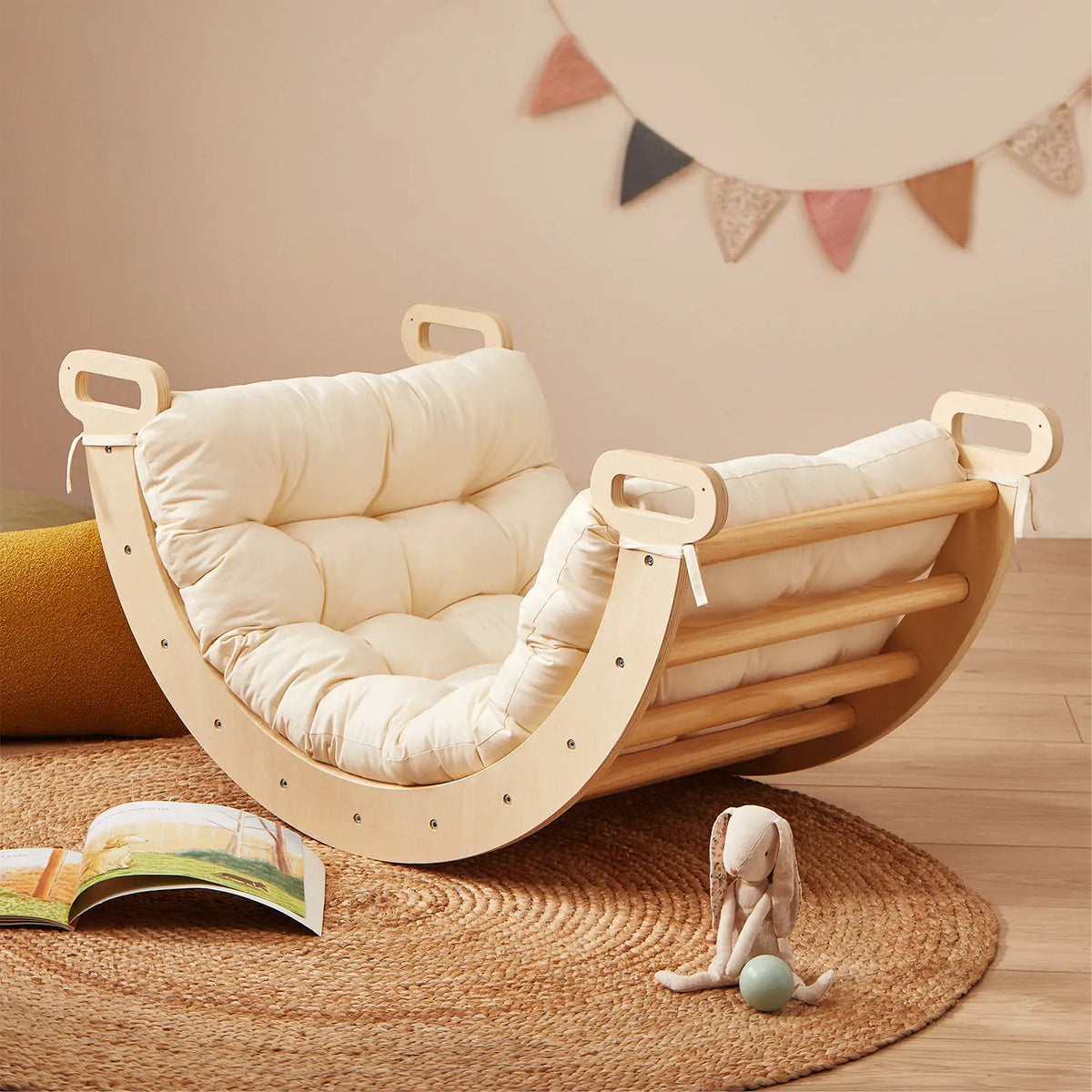
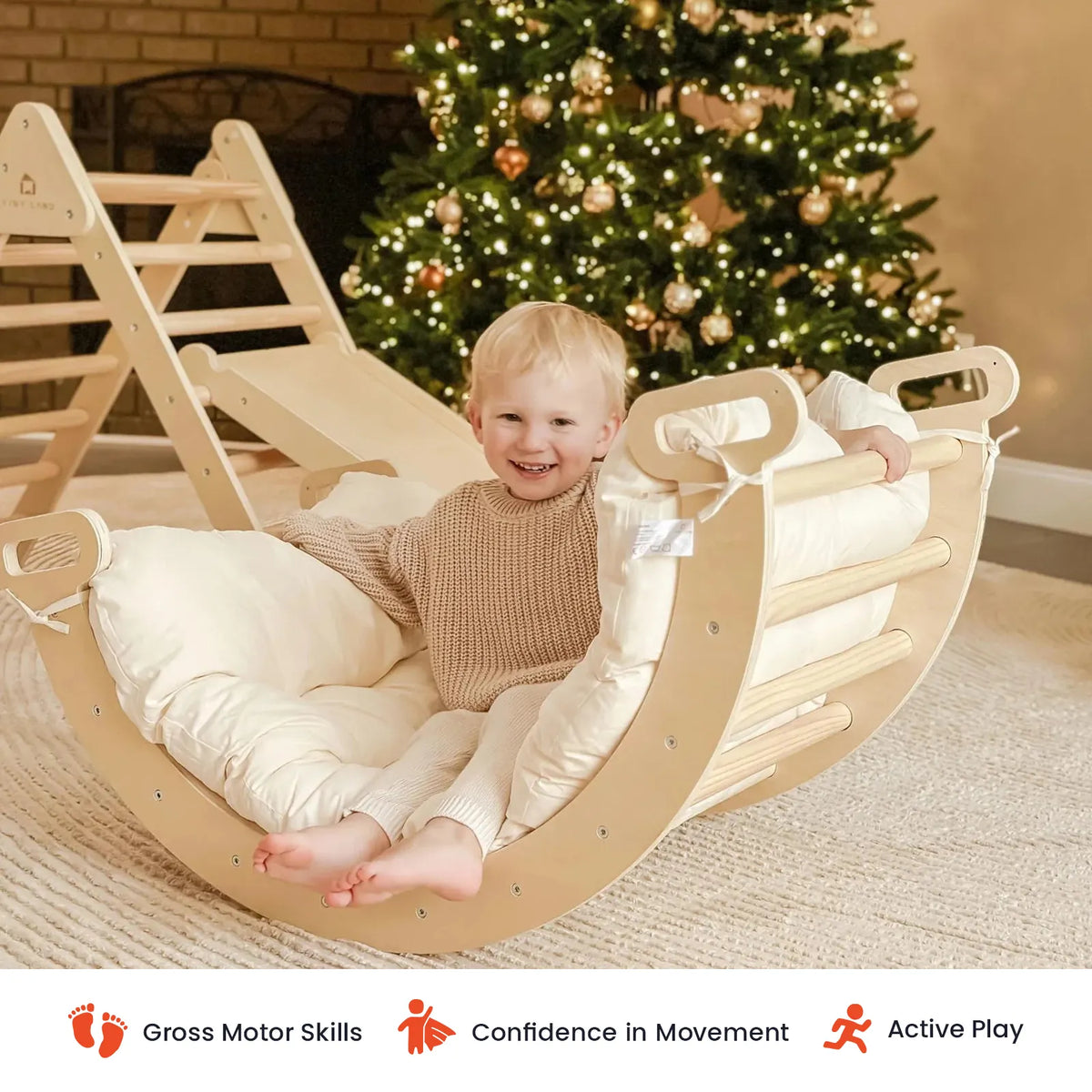
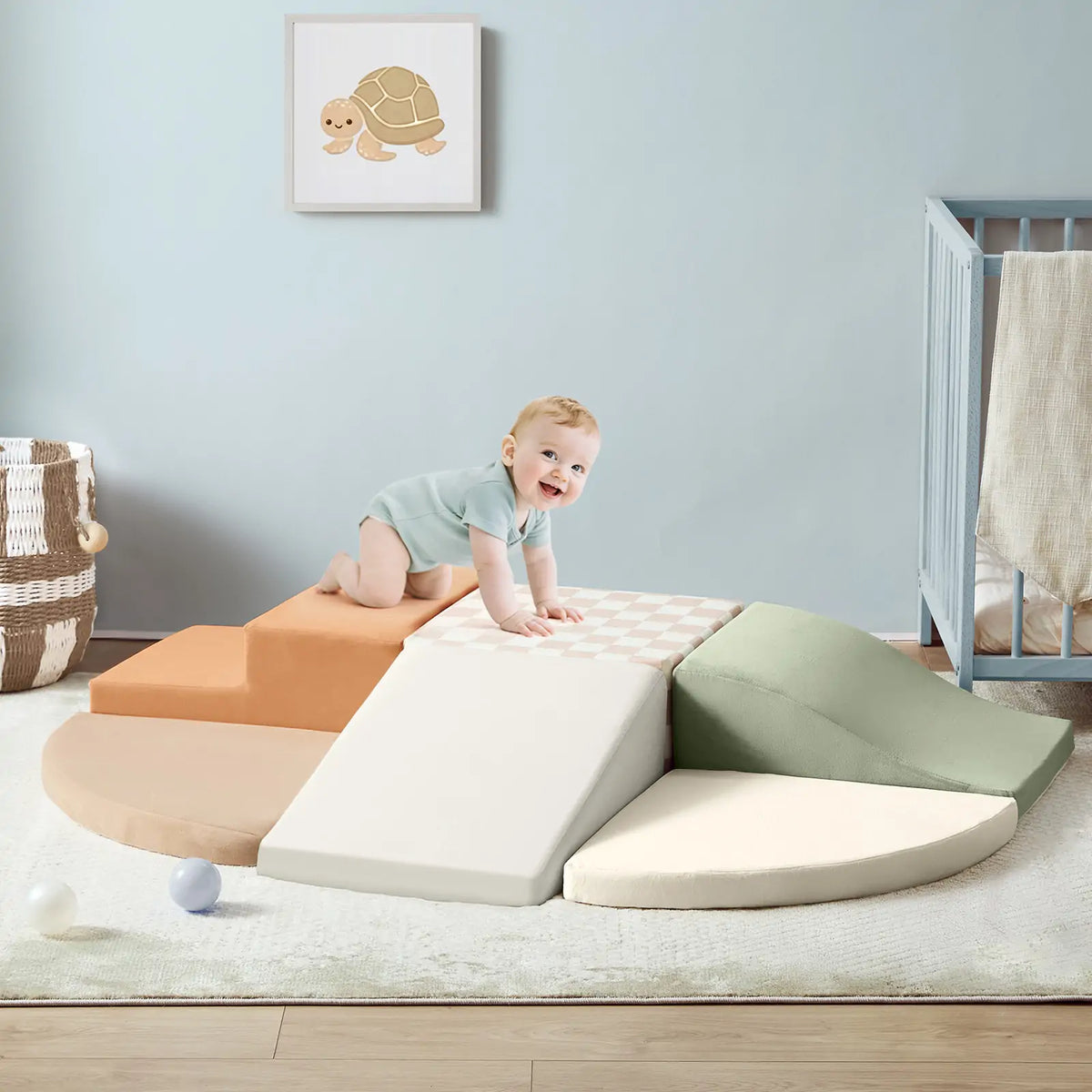
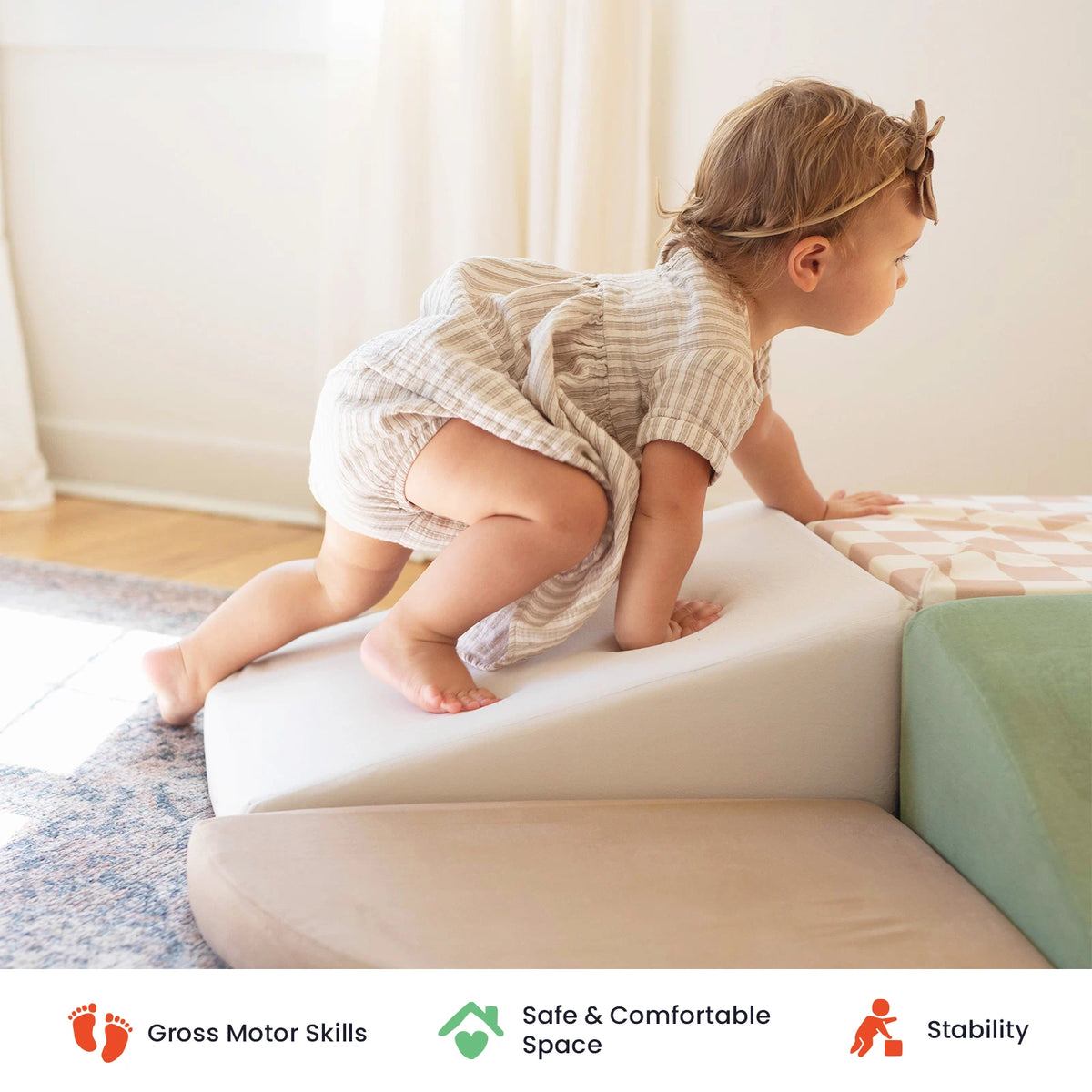
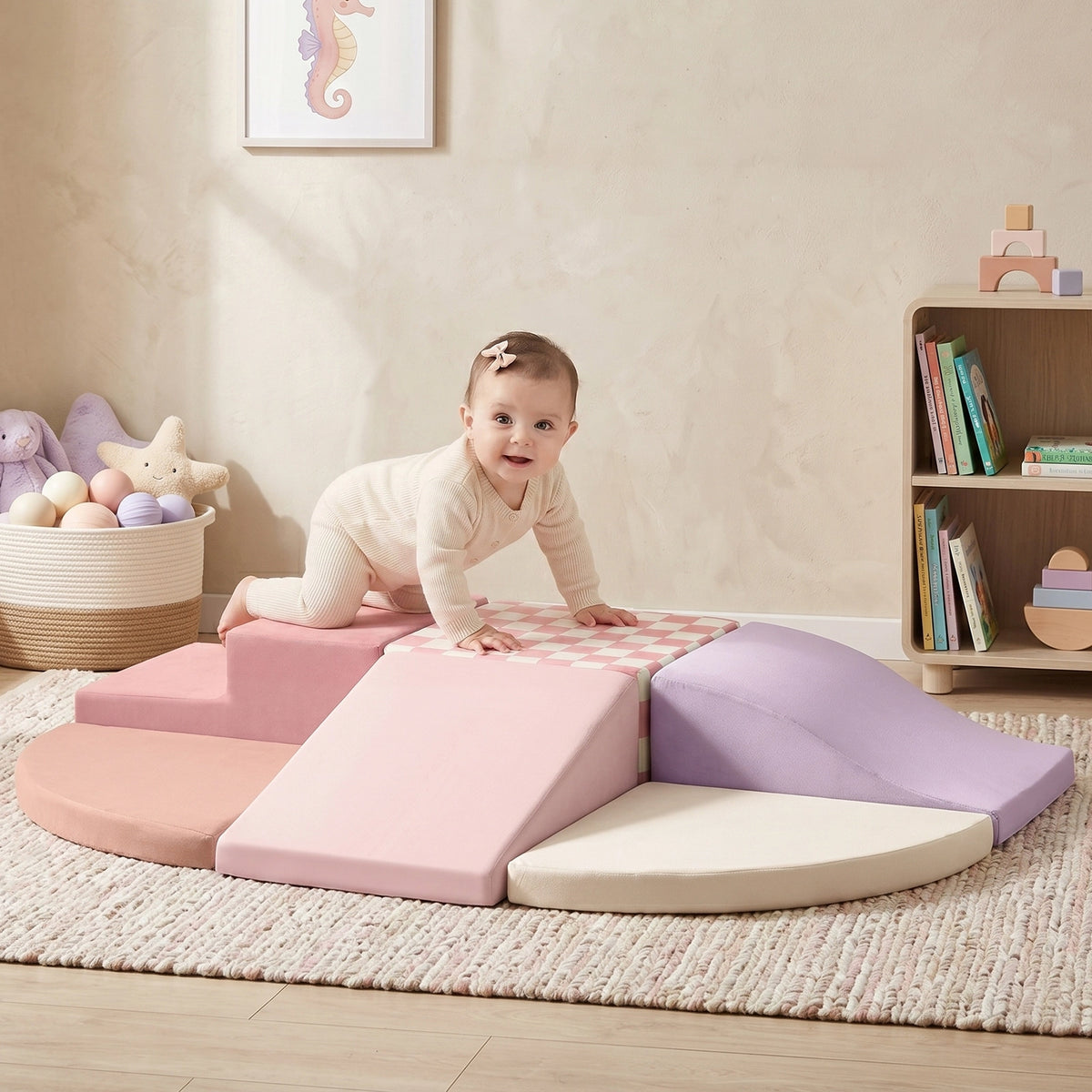
5. 7-in-1 Morandi Pikler Triangle Set: For a Fall Forest Adventure
Best for: Gross motor play, balance, coordination, and imaginative movement
Why It Works for Fall
Changing leaves and outdoor adventures can turn climbing and movement into an imaginative forest story.
How to Play
Start with a simple story: “We're going on a fall adventure. Can we make it through the forest and find the pumpkin patch?”
Let your child decide how to move through the adventure. They might climb over a pretend mountain, cross a bridge, or search for hidden pumpkins.
Try changing the story:
Pumpkin Hunt: Find the pumpkin patch at the end of the adventure.
Forest Walk: Look for colorful leaves and pretend woodland animals.
Little Bear's Journey: Help a bear find its way home.
The climbing movement becomes part of the story, giving children a reason to climb, balance, and explore.
Skills Children Can Practice
Gross Motor Skills · Balance · Coordination · Spatial Awareness · Imagination · Problem-Solving
Children can make decisions about how to navigate their pretend environment while incorporating movement into their story.

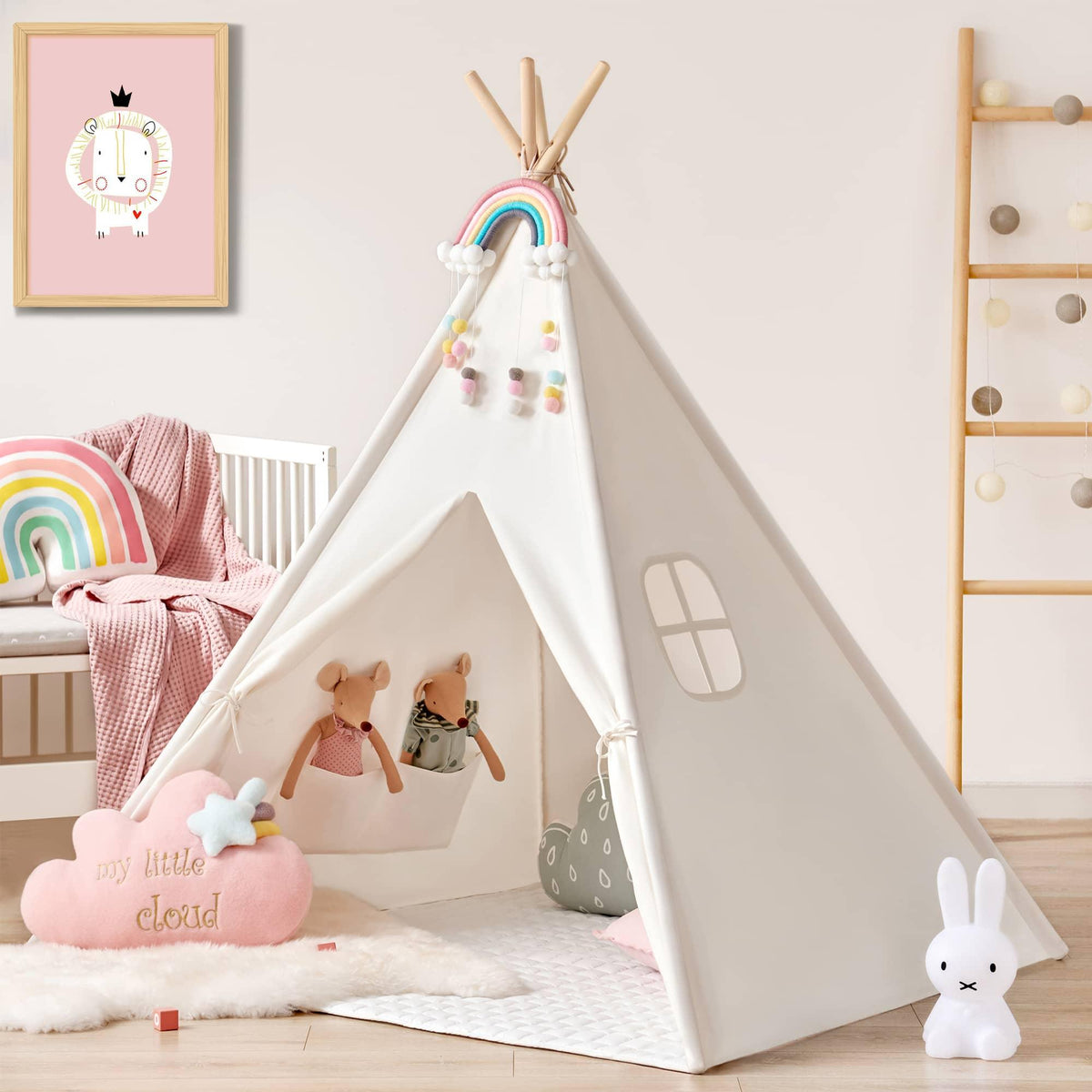
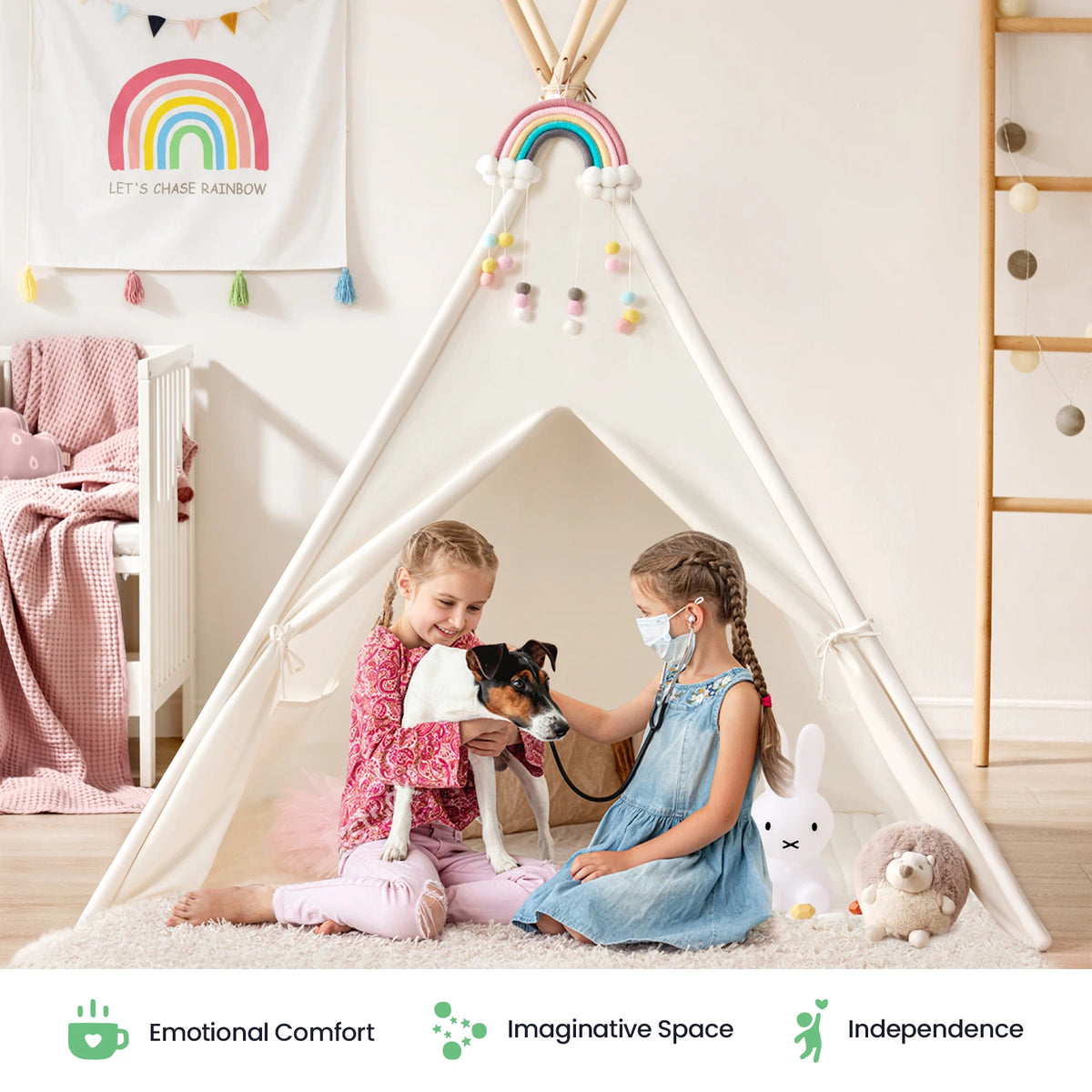
6. Teepee Tent with Mat: For a Cozy Fall Story Corner
Best for: Storytelling, quiet play, imagination, and communication
Why It Works for Fall
When the weather gets cooler, a cozy teepee can become a natural setting for reading, storytelling, and quiet pretend play.
How to Play
Set up a few favorite books and invite your child to create a fall story inside the tent.
After reading together, ask:
-
“Who lives here?”
-
“Where are they going?”
-
“What happened in the story?”
-
“What do you think happens next?”
Toddlers can practice naming characters and objects. Preschoolers can act out characters, create dialogue, and invent new endings.
Let your child change the story. There doesn't need to be one correct ending.
Skills Children Can Practice
Vocabulary · Storytelling · Listening · Imagination · Communication · Creative Thinking
Giving children a physical space for pretend play can help them explore characters, settings, and stories in their own way.

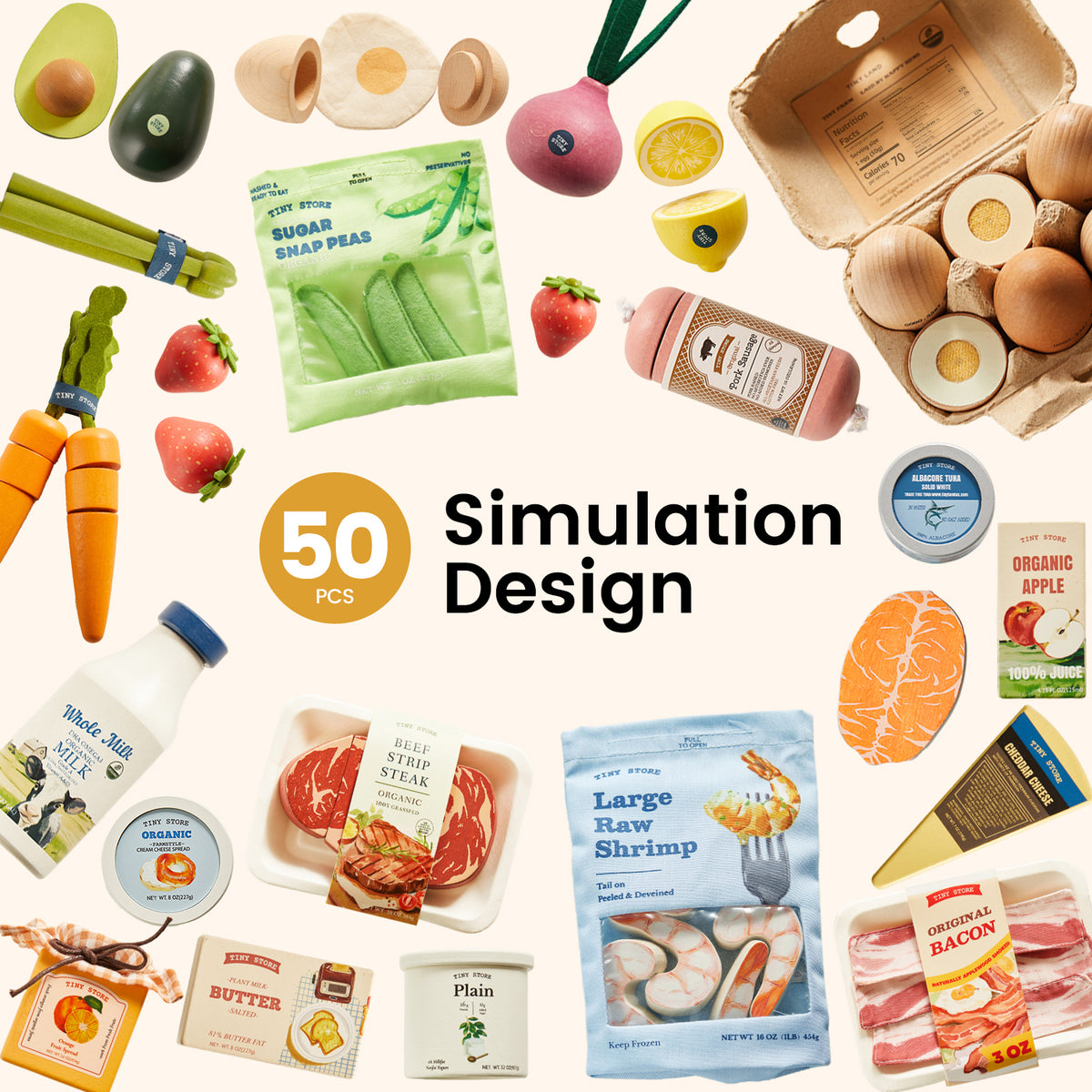
7. Organic Play Food Collection: For a Fall Harvest
Best for: Categorization, early math, pretend play, and vocabulary
Why It Works for Fall
A pretend harvest gives children an easy way to connect seasonal foods with sorting, shopping, cooking, and family routines.
How to Play
Create a small fall harvest basket together.
Your child can choose pretend foods, sort them into groups, and decide where each item belongs.
For example:
Farm → Market → Kitchen → Dinner Table
Then let your child act out the journey.
Ask:
- “Where did this food come from?”
- “What should we do with it?”
- “Which foods belong together?”
- “What should we cook?”
Toddlers can practice identifying and naming familiar foods. Preschoolers can sort foods in different ways, incorporate counting, and create longer pretend-play stories.
Skills Children Can Practice
Vocabulary · Sorting · Categorization · Early Math · Sequencing · Imaginative Play
Because children can decide how to organize and use the food, the same play materials can support many different stories.

How to Choose a Fall Toy for Your Child
A great fall toy doesn't have to be seasonal. In fact, some of the most useful toys are the ones that can support different types of play throughout the year.
When choosing a fall toy, consider these four questions:
1. Does it encourage open-ended play?
Can your child use the toy in different ways instead of following only one fixed activity?
2. Can you build a seasonal story around it?
A versatile toy can become part of a pumpkin patch, farmers' market, café, forest, campsite, or family routine.
3. Does it grow with your child's play?
Toddlers may use a toy for simple exploration and pretend actions. Preschoolers can add characters, rules, numbers, stories, and problems to solve.
4. Can parents easily join the play?
You don't need to direct every step. Sometimes the most helpful thing you can do is ask an open-ended question and follow your child's idea.

Make Fall a Season for Play
Fall doesn't need to mean a complicated schedule of crafts and activities.
Sometimes, all it takes is a play kitchen, a basket of pretend food, an easel, a climbing set, or a few building pieces—and a little imagination.
A toy provides the starting point. Children bring the story to life.
This fall, follow their ideas, ask open-ended questions, and give them space to decide what happens next.
Because when children are free to pretend, explore, move, create, and make choices, an ordinary fall afternoon can become an opportunity to play and learn together.