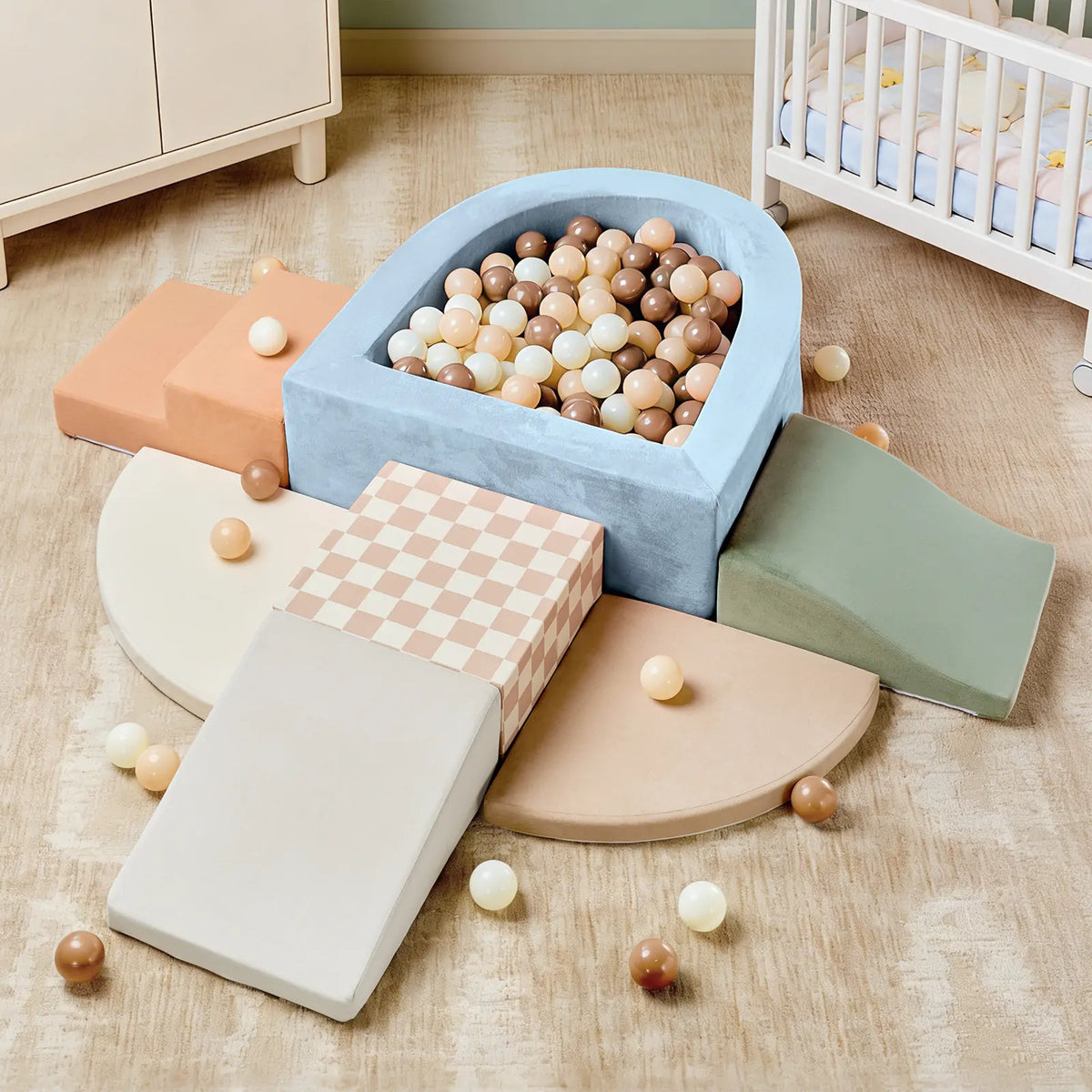
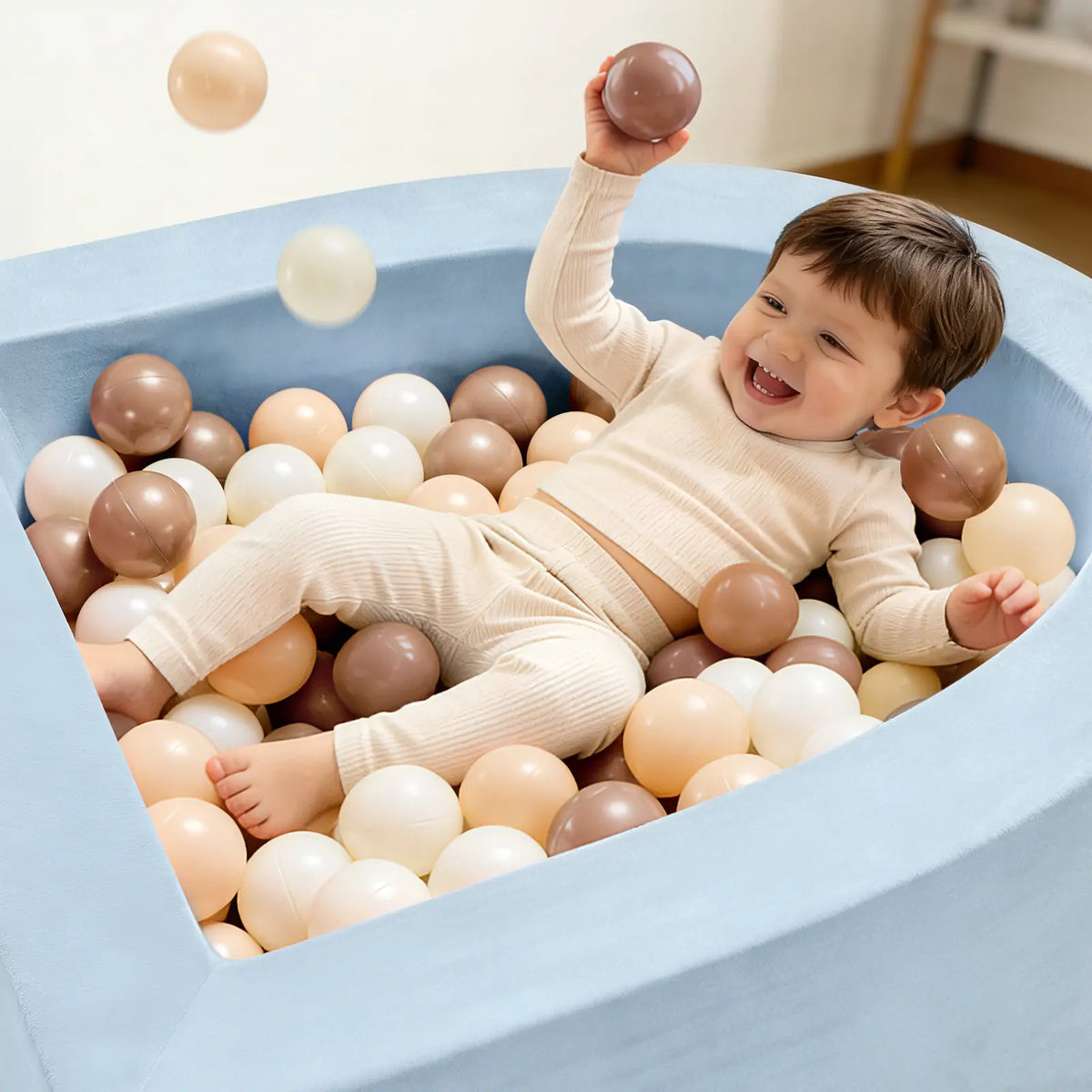
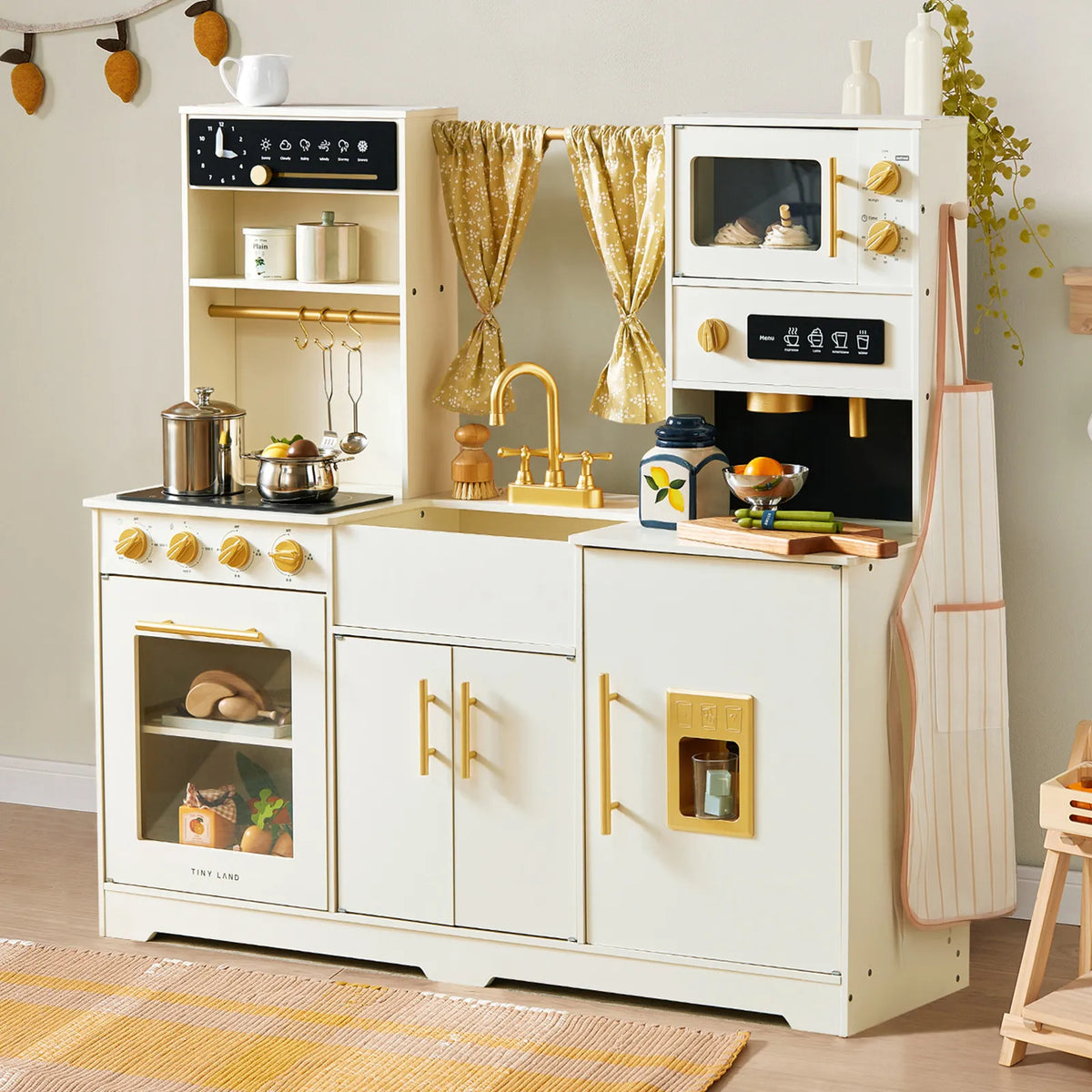
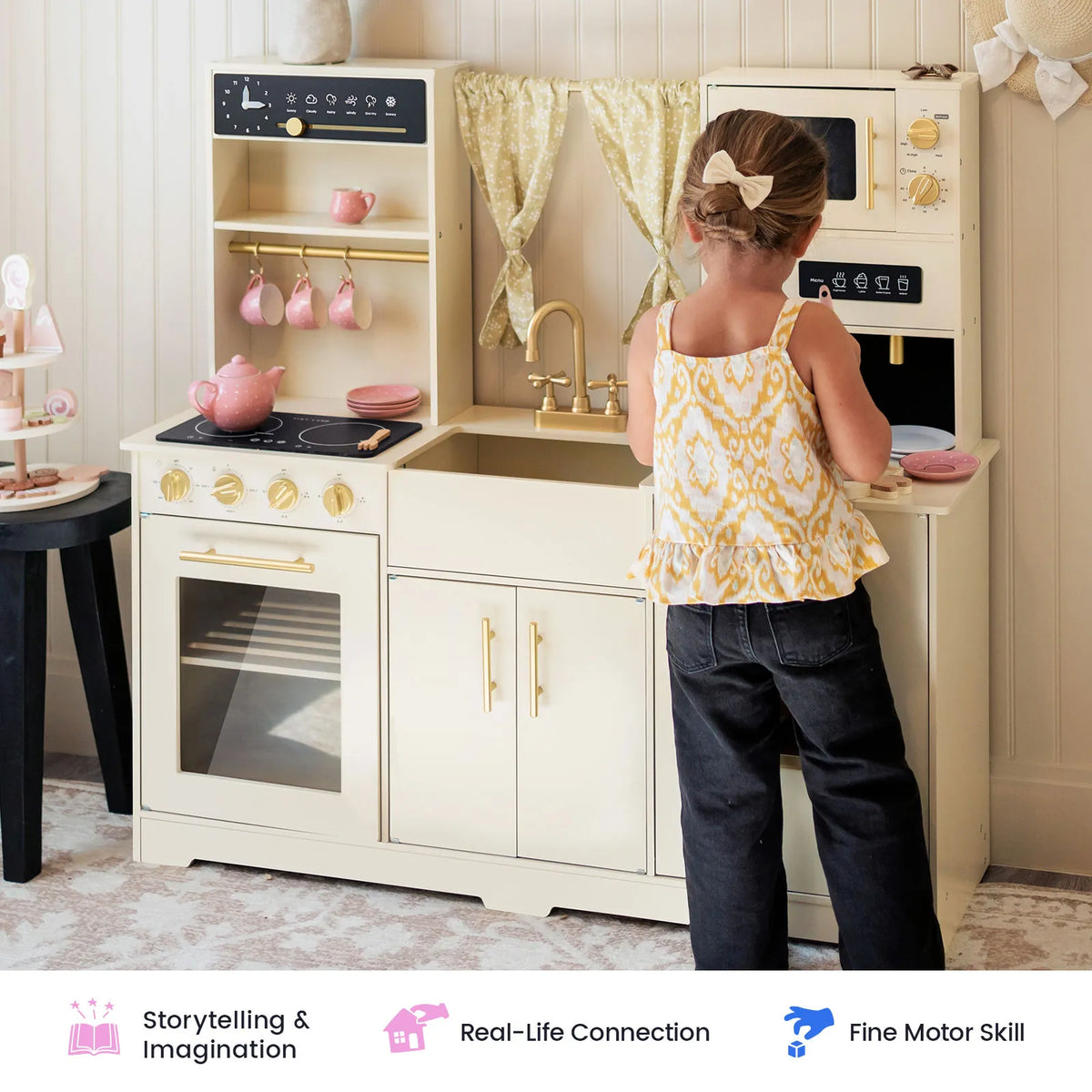

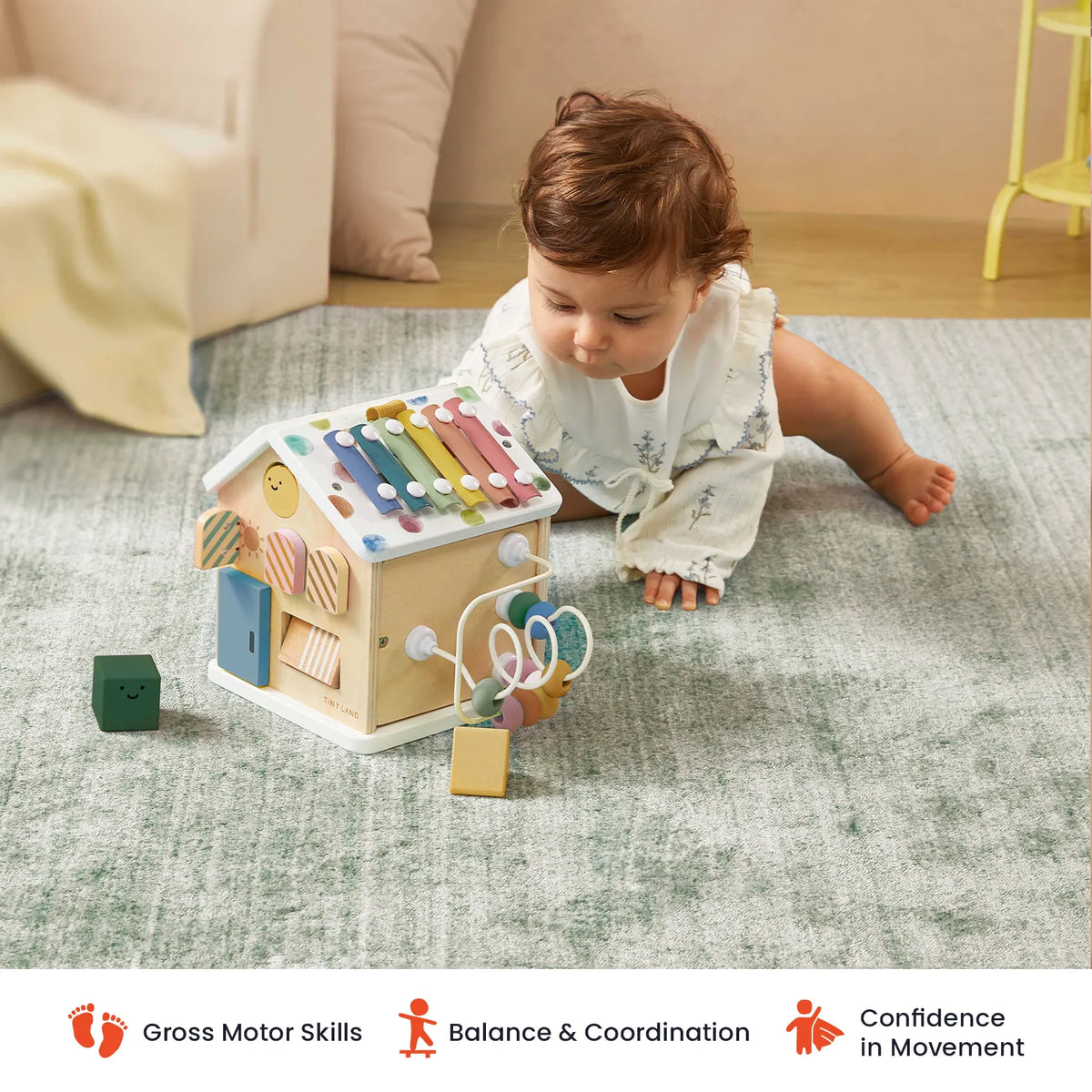
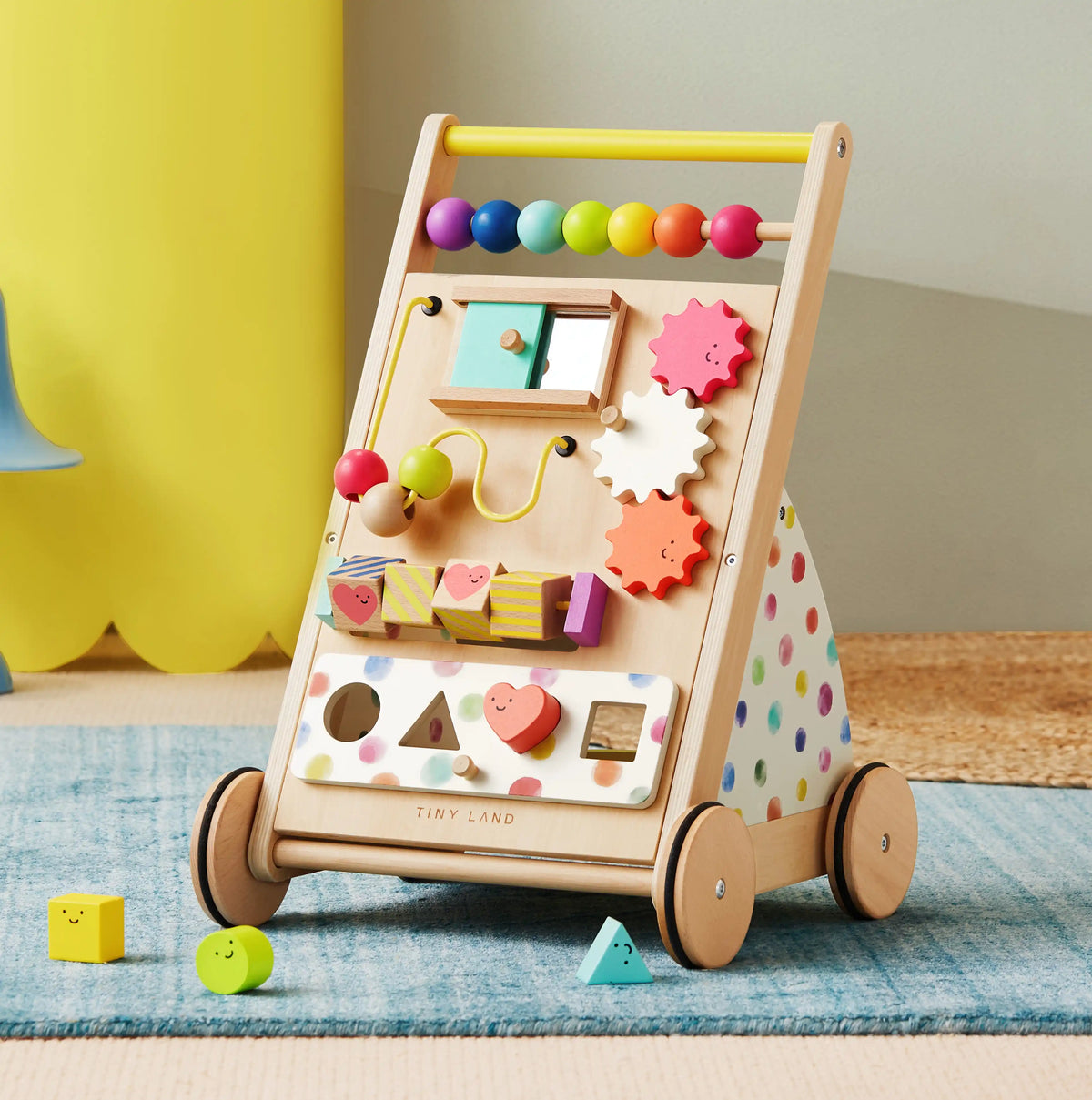
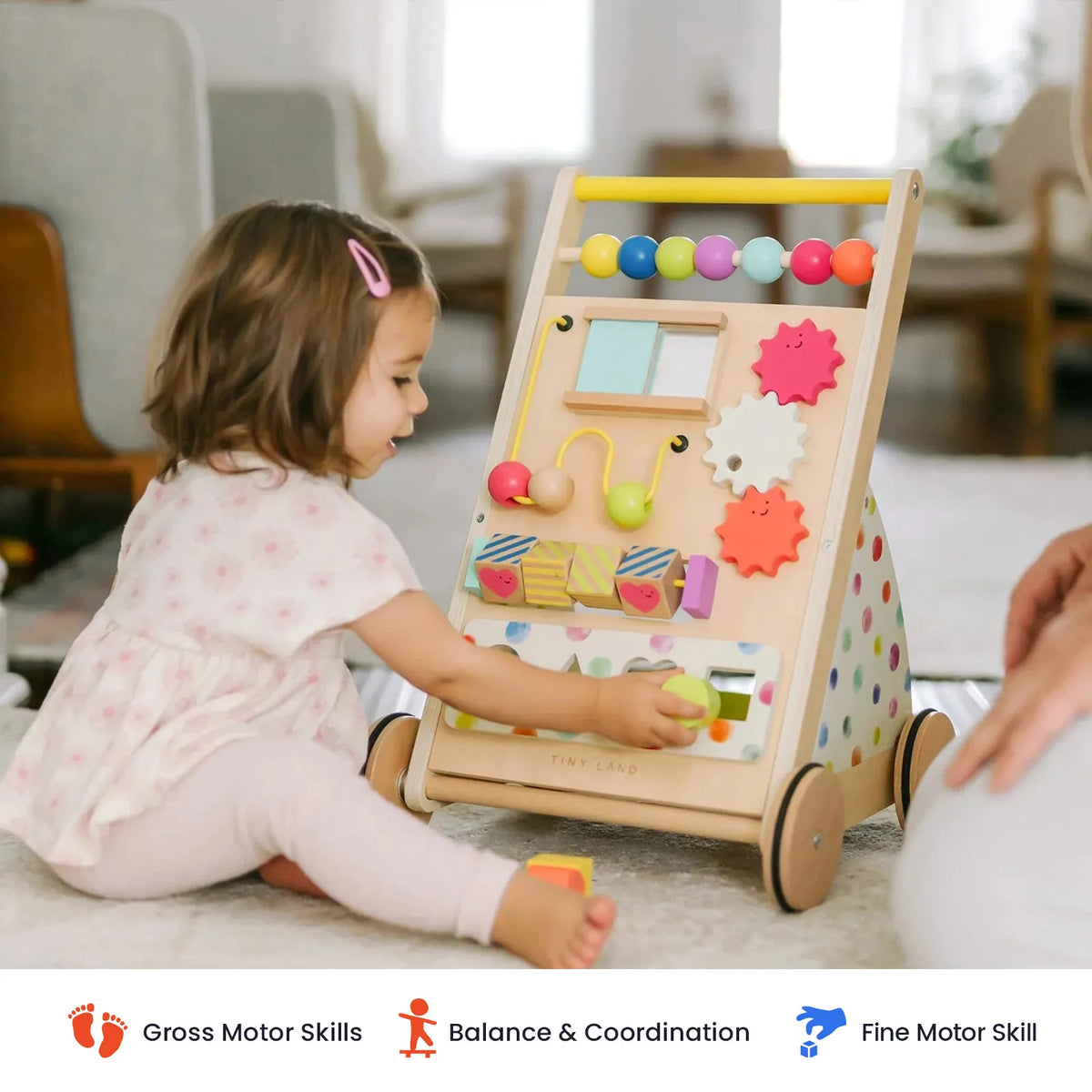


Toddlers are natural problem solvers. They stack blocks, turn puzzle pieces, drop shapes into different holes, and try again when something does not work. To adults, these moments may look like simple play. But for children, they are building problem solving skills, patience, focus, and confidence.
That is why problem solving toys for toddlers can be so helpful during early childhood development. The right educational toys give toddlers an easy way to explore, test ideas, make mistakes, and discover solutions through play.
Good toys do not need to feel like lessons. They simply encourage kids to think, touch, build, sort, imagine, and try again.

Why Problem Solving Matters for Toddlers
Problem solving is one of the most important cognitive skills young children develop. It helps toddlers understand how things work, make choices, and deal with small challenges.
When a child tries to fit one puzzle piece into the right place, stack wooden blocks without making them fall, or place shapes into a shape sorter, they are learning cause and effect. They begin to compare different shapes, notice patterns, and understand that one choice may work better than another.
These small play moments also support fine motor skills, hand eye coordination, critical thinking, creativity, and confidence. For toddlers, problem solving is not about finding the right answer quickly. It is about trying, adjusting, and learning through experience.

What Makes a Toy Good for Problem Solving?
The best problem solving toys give toddlers something to figure out without making play feel stressful. They should be simple enough for little hands to use but interesting enough to encourage thinking.
A good toy may ask the child to:
match colors
sort shapes
stack pieces
balance blocks
find the right holes
connect one piece to another
build a house or tower
create a pretend world
The best toys also allow children to play in different ways. This is why open ended play matters. Open ended toys do not have only one correct result. Children can use them again and again with new ideas, which supports imagination, creativity, and flexible thinking.

1. Shape Sorters
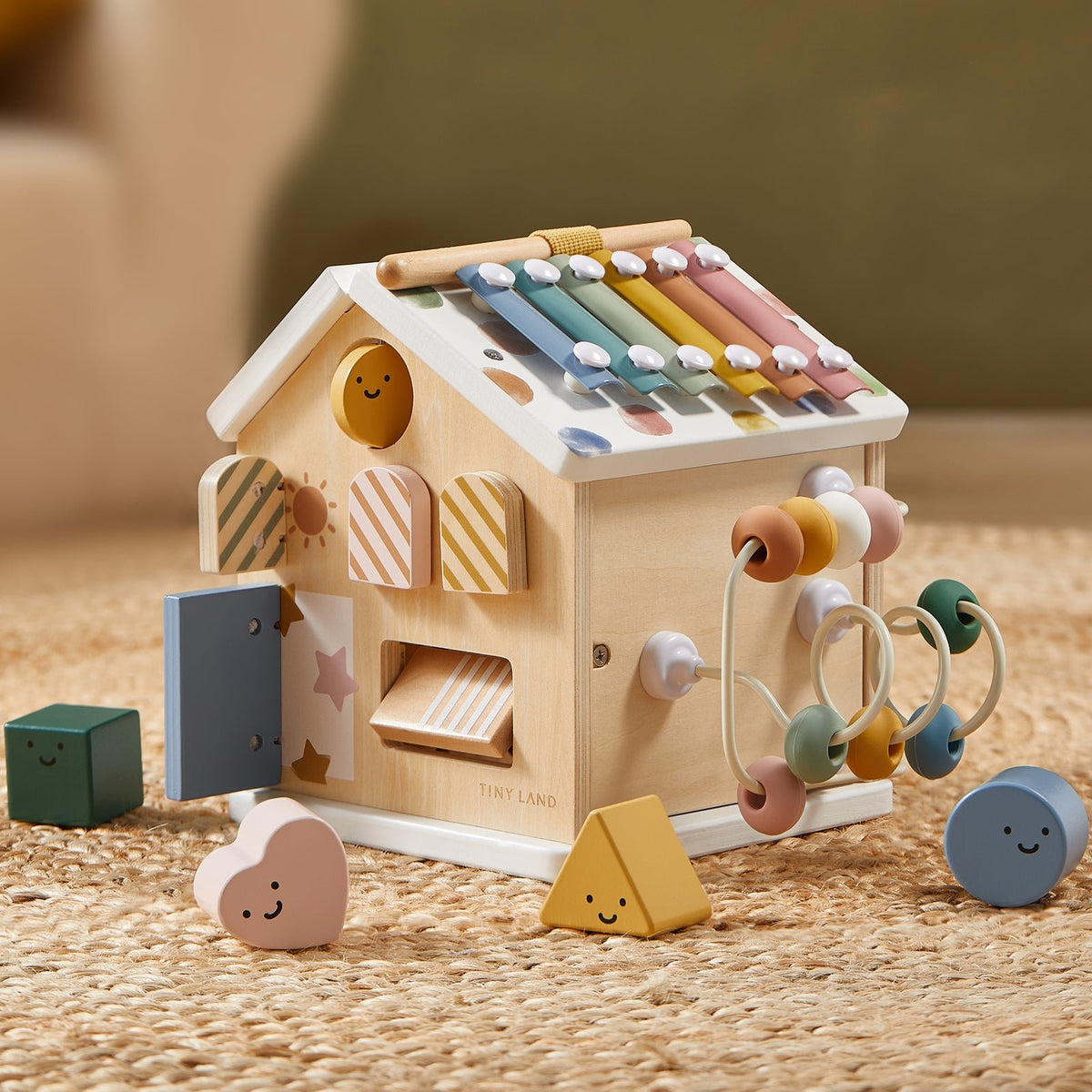
A shape sorter is one of the classic solving toys for young toddlers. It teaches children to look carefully, compare shapes, and place each piece into the correct opening.
At first, a toddler may try to push a square into a round hole. That is part of the learning. Over time, they begin to notice that each shape has a place. They rotate the piece, test another side, and discover how it fits.
Shape sorters also help improve fine motor skills because children need to hold, turn, and guide the pieces with their hands. Many shape sorters also teach colors through color matching, especially when they use bright colors and simple shapes.
For younger toddlers, choose a sorter with chunky pieces and large holes. This makes it easier for little hands to grab and explore.
2. Wooden Blocks
Wooden blocks are among the best toys for creativity and problem solving. Children can stack, balance, sort, line up, knock down, and rebuild them in many different ways.
A toddler may first build a simple tower. Later, they may create a road, bridge, or small house for toy animals and dolls. This kind of building play supports critical thinking because children must make choices: Which block should go first? How can I make it taller? Why did it fall?
Blocks are also great for fine motor skills and hand eye coordination. Children use their hands to place each block carefully, adjust the balance, and try again.
Compared with many plastic toys, wooden toys often feel more natural and durable. Their weight, texture, and simple design can help children focus on hands-on play instead of lights or sounds.
3. Wooden Jigsaw Puzzles
Puzzles are some of the most useful problem solving toys for toddlers. A puzzle encourages children to look at shapes, match edges, and understand how one piece connects to another.
For toddlers, wooden puzzles with chunky pieces are usually a great choice. The pieces are easier to hold, and the goal is clear without being too difficult.
When a child turns a puzzle piece again and again until it fits, they are practicing patience, focus, and critical thinking. They are also strengthening fine motor skills and hand eye coordination.
Puzzles can also introduce animals, vehicles, numbers, colors, or everyday objects. This adds language learning and real-world understanding to the play.
4. Magnetic Tiles
Magnetic tiles are a favorite open ended toy for many families because they combine building, creativity, and problem solving.
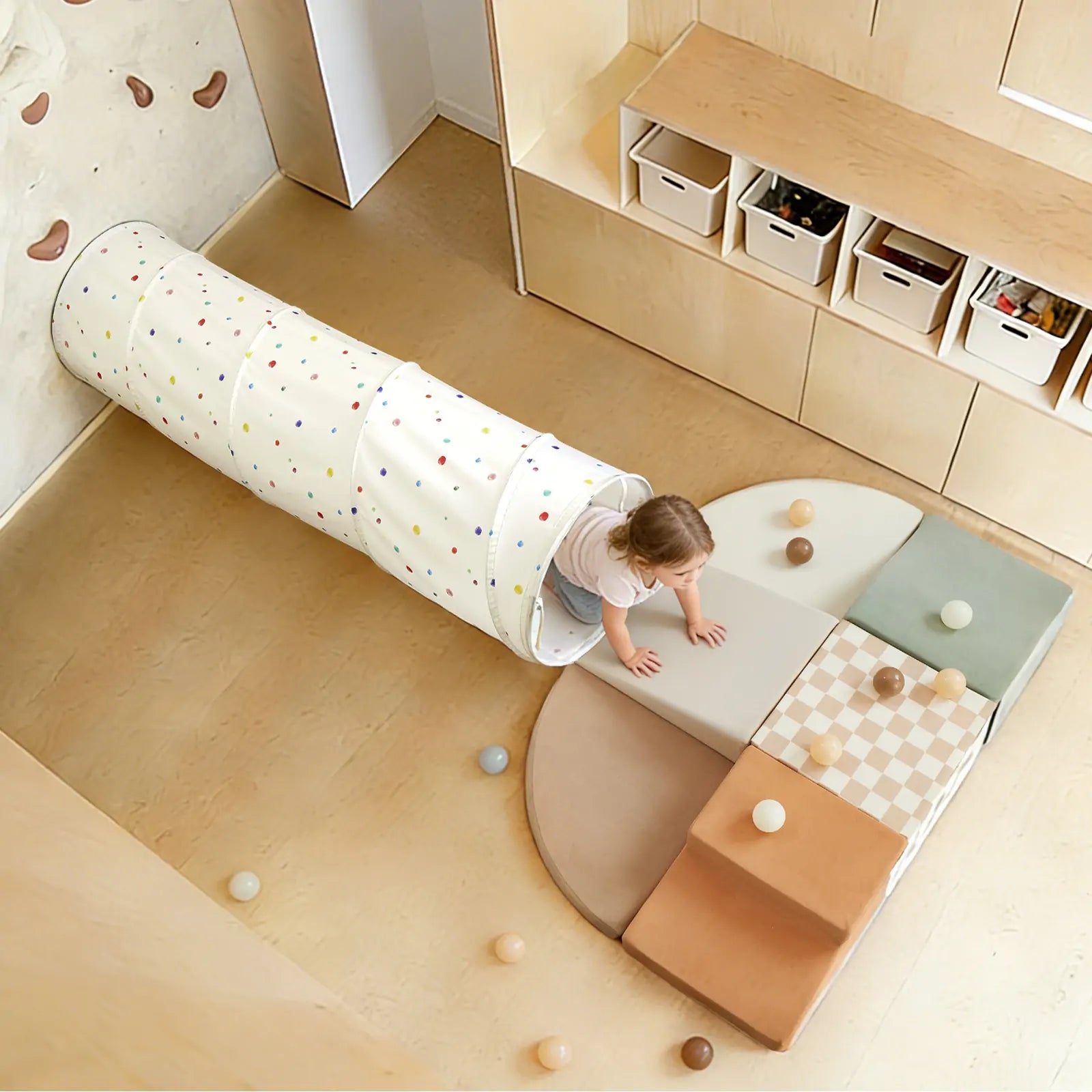
Children can connect tiles to make flat shapes, towers, houses, tunnels, or simple structures. They quickly discover that some designs stand while others fall. They also learn about balance, size, shapes, and structure.
Magnetic tiles are especially helpful for preschoolers, but many toddlers can enjoy larger, age-appropriate versions with supervision. They are a great way to encourage kids to test ideas and build confidence.
Because magnetic tiles can be used in so many ways, they can also mean less clutter at home. One collection can support many types of play.
5. Stacking Toys
Stacking toys help toddlers understand order, size, balance, and cause and effect. A child may stack cups, rings, blocks, or different shapes to see what happens.
This kind of play looks simple, but it is actually pretty amazing. The child learns that larger pieces may need to go at the bottom, smaller pieces may fit on top, and the tower may fall if the balance is off.
Stacking toys also support the pincer grasp, fine motor skills, and hand eye coordination. They encourage children to use their hands carefully while thinking through the next step.
For young toddlers, soft or wooden stacking toys with easy-to-grab pieces work especially well.
6. Toy Animals and Small World Play
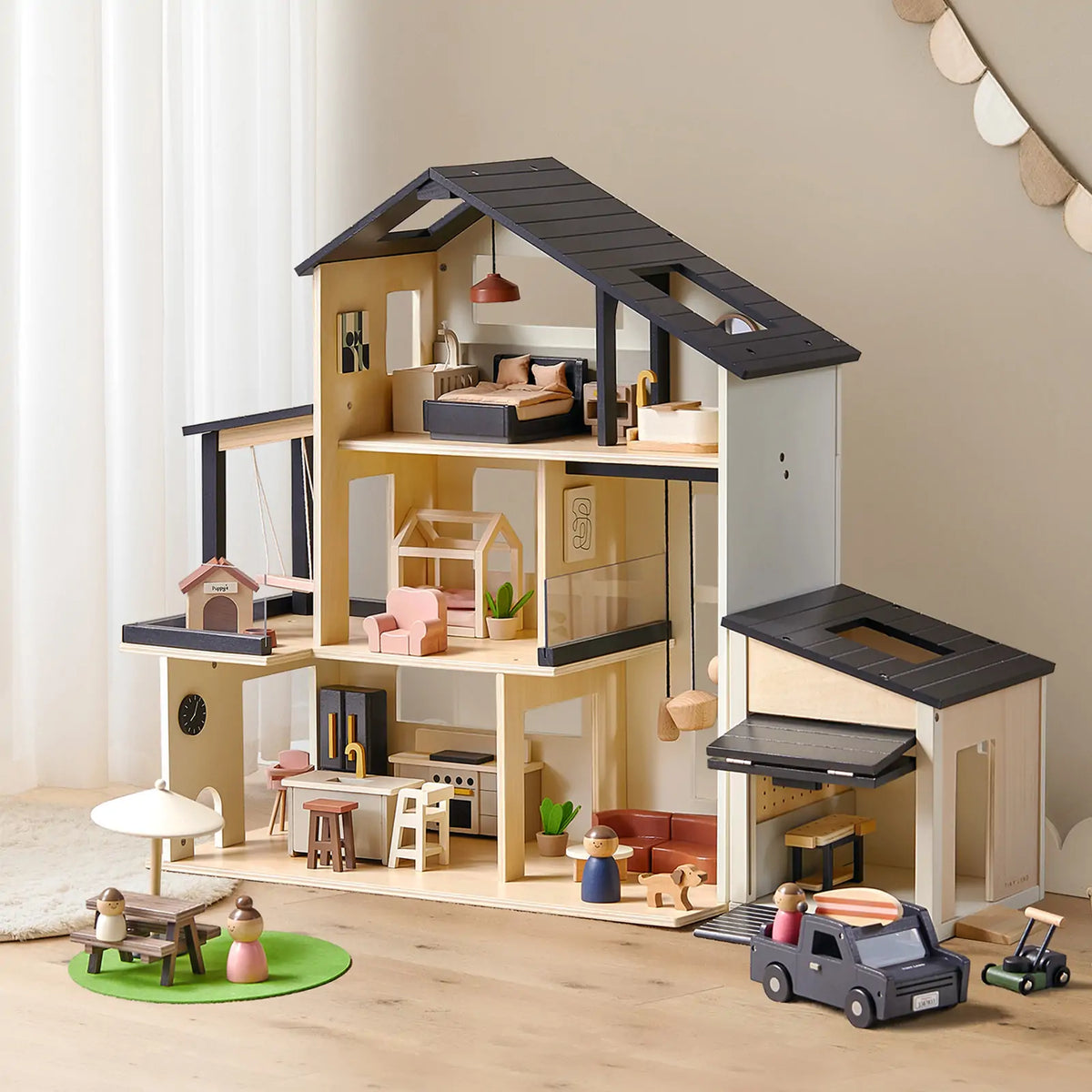
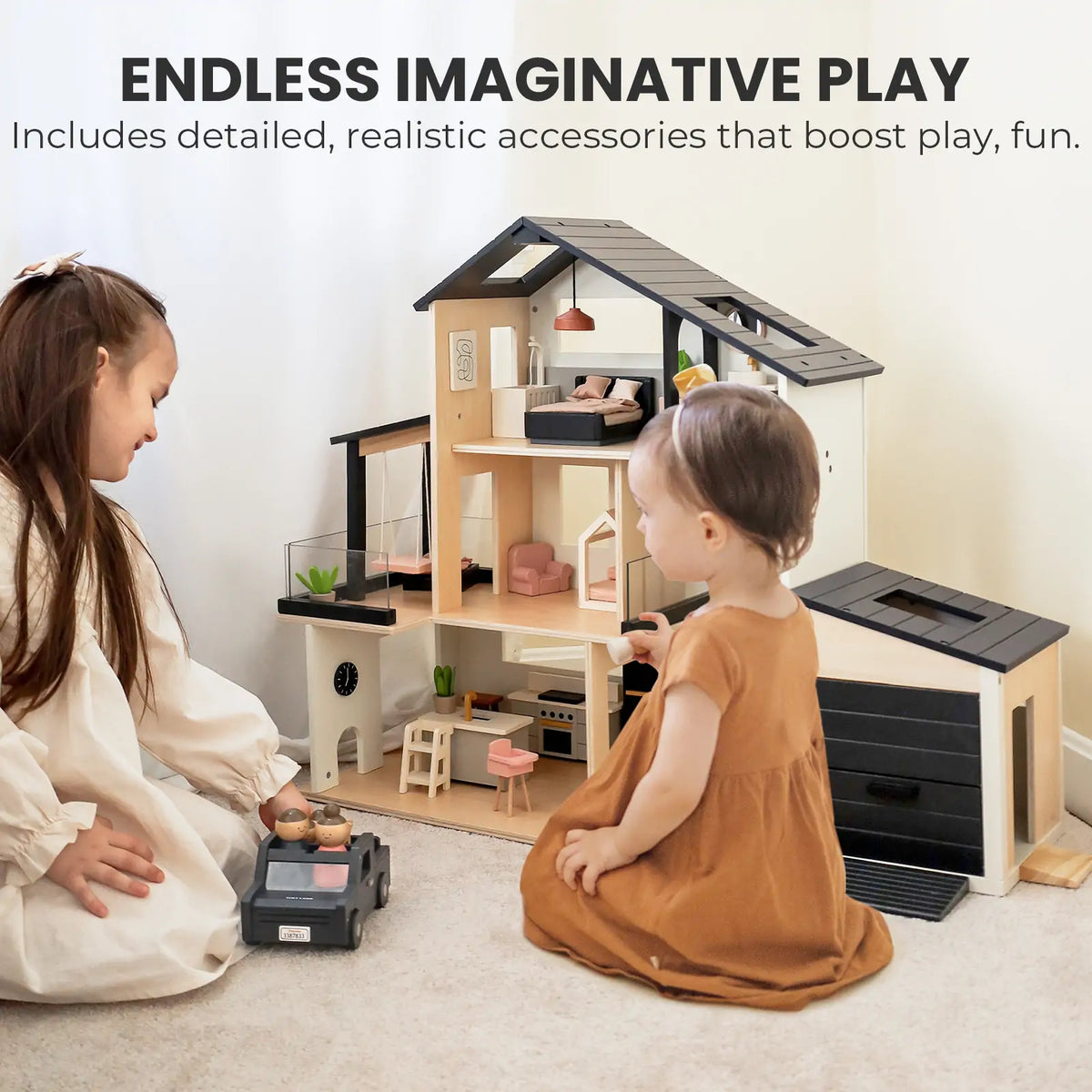
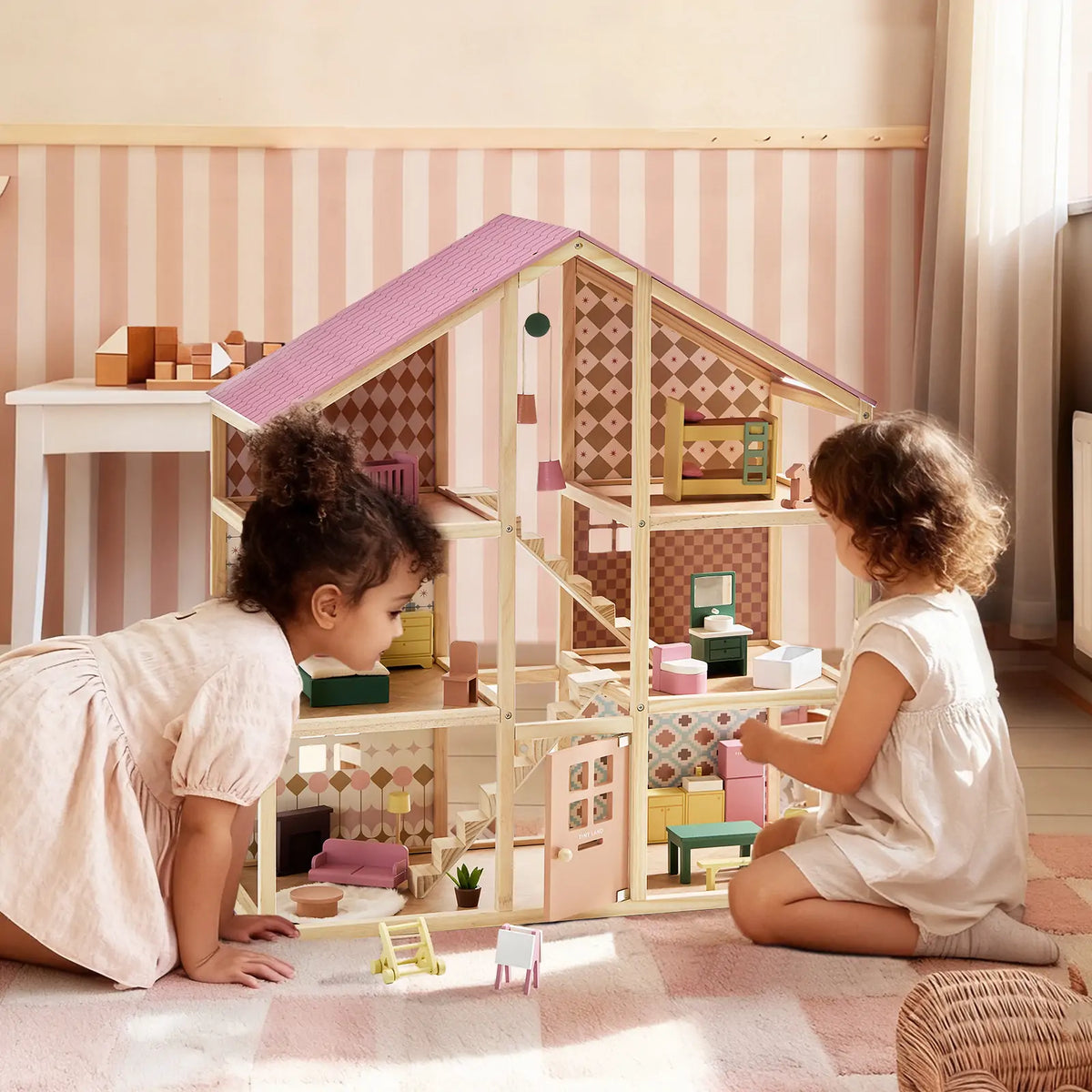
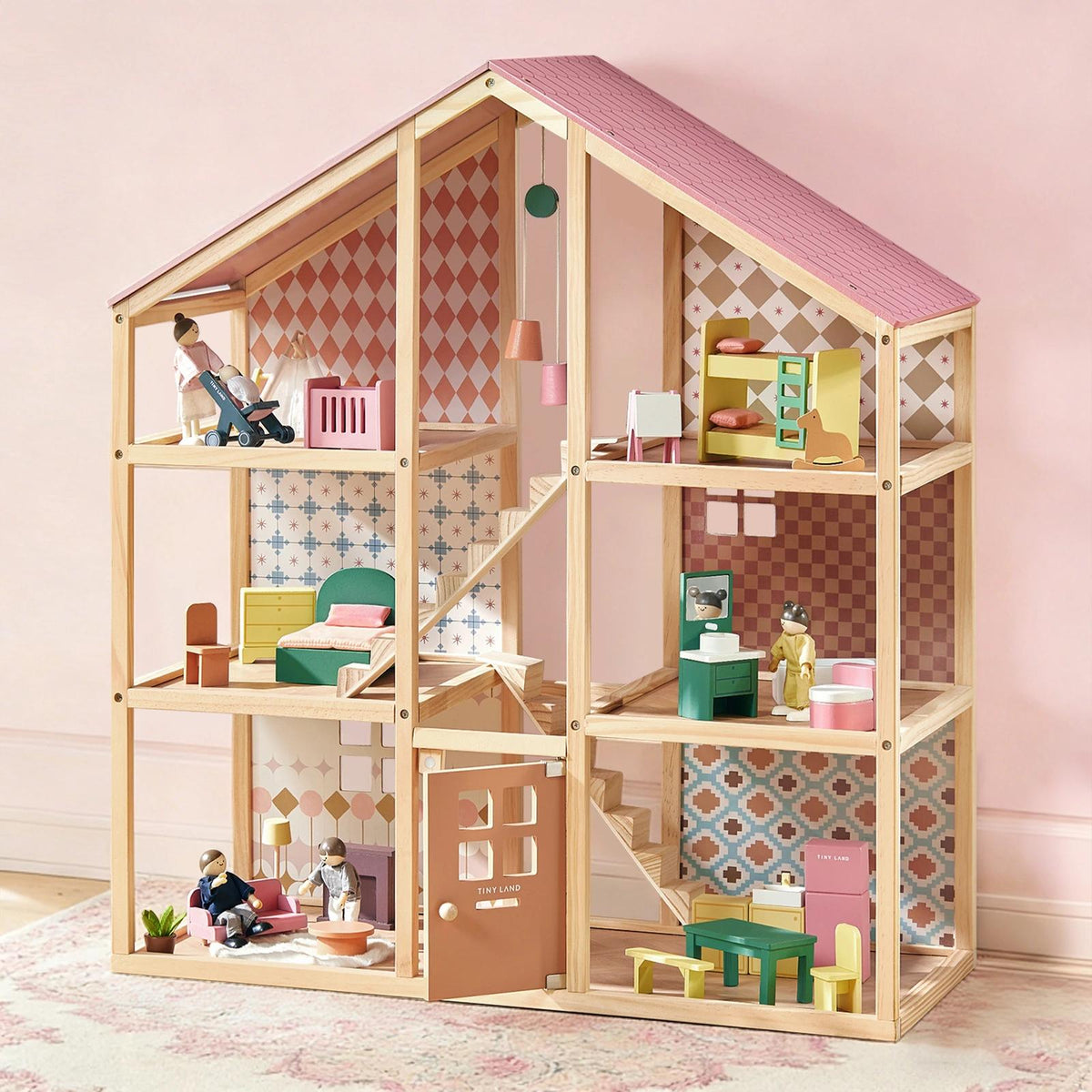
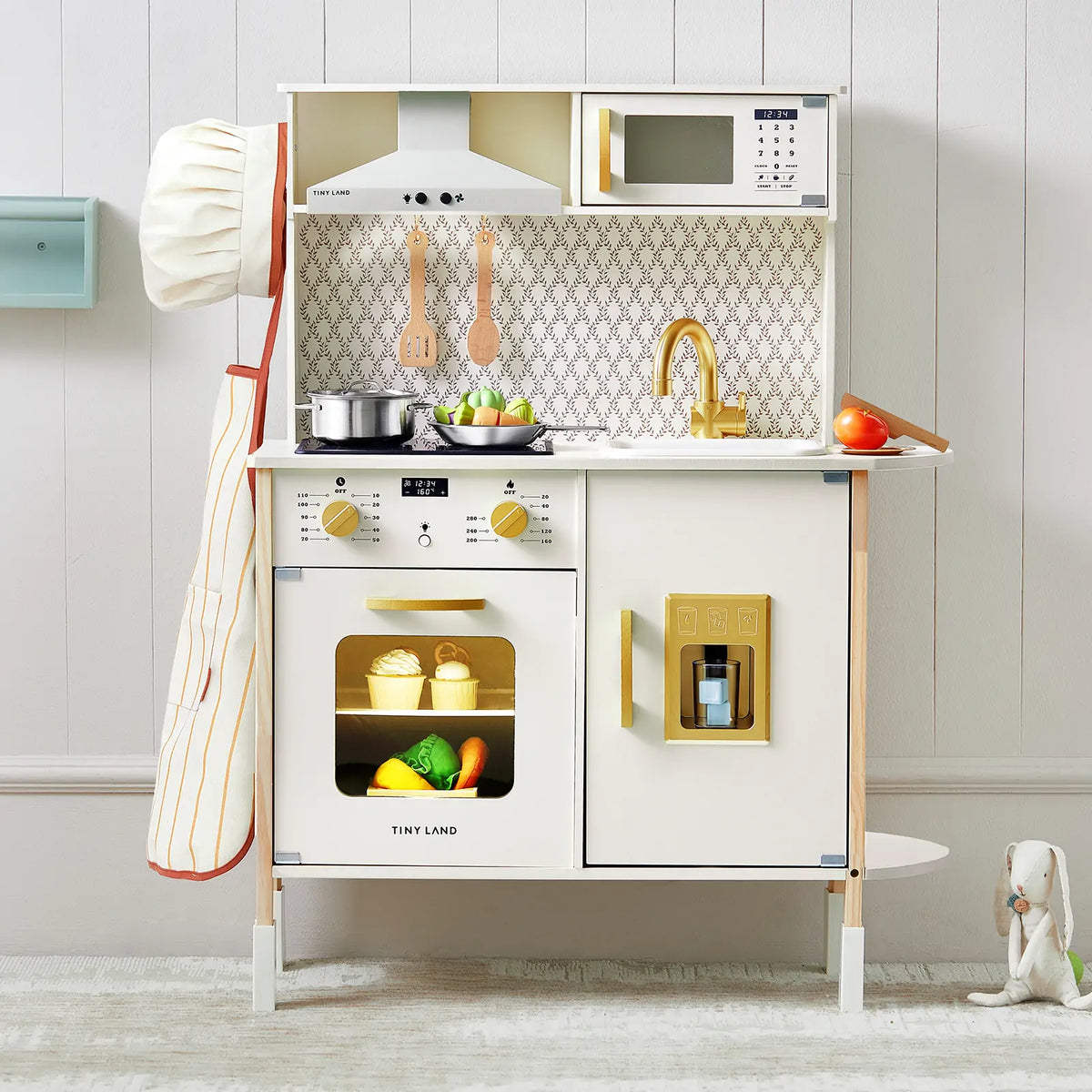
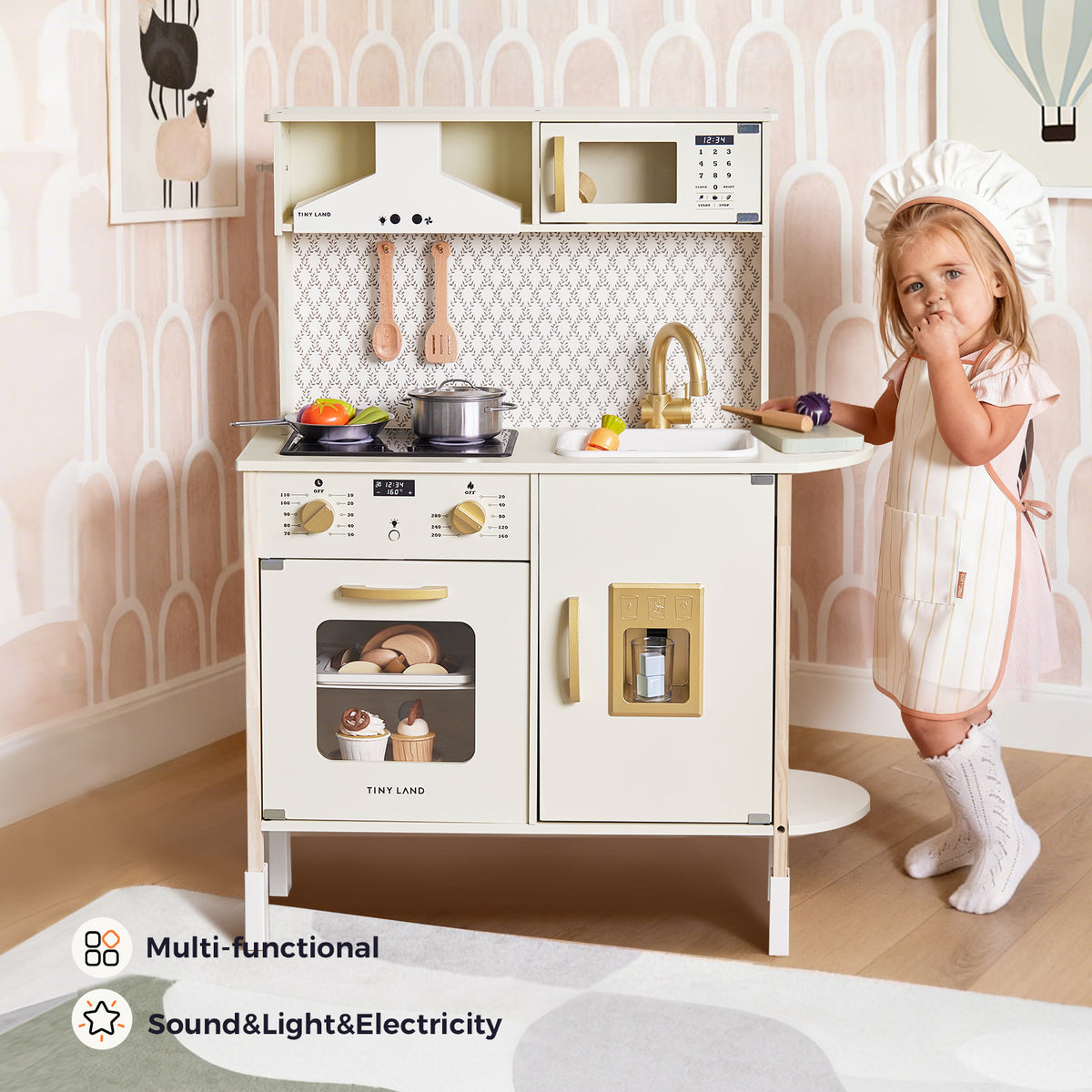
Toy animals, dolls, houses, and small world play sets may not look like traditional problem solving toys, but they can support imaginative play and cognitive skills in a powerful way.
When children create a pretend world, they make choices and solve small problems:
Where does the animal sleep?
How can the dolls get inside the house?
Which block can become a bridge?
What happens if the animals need food?
This type of play encourages imagination, planning, language, and emotional understanding. It also allows children to connect toys in different ways.
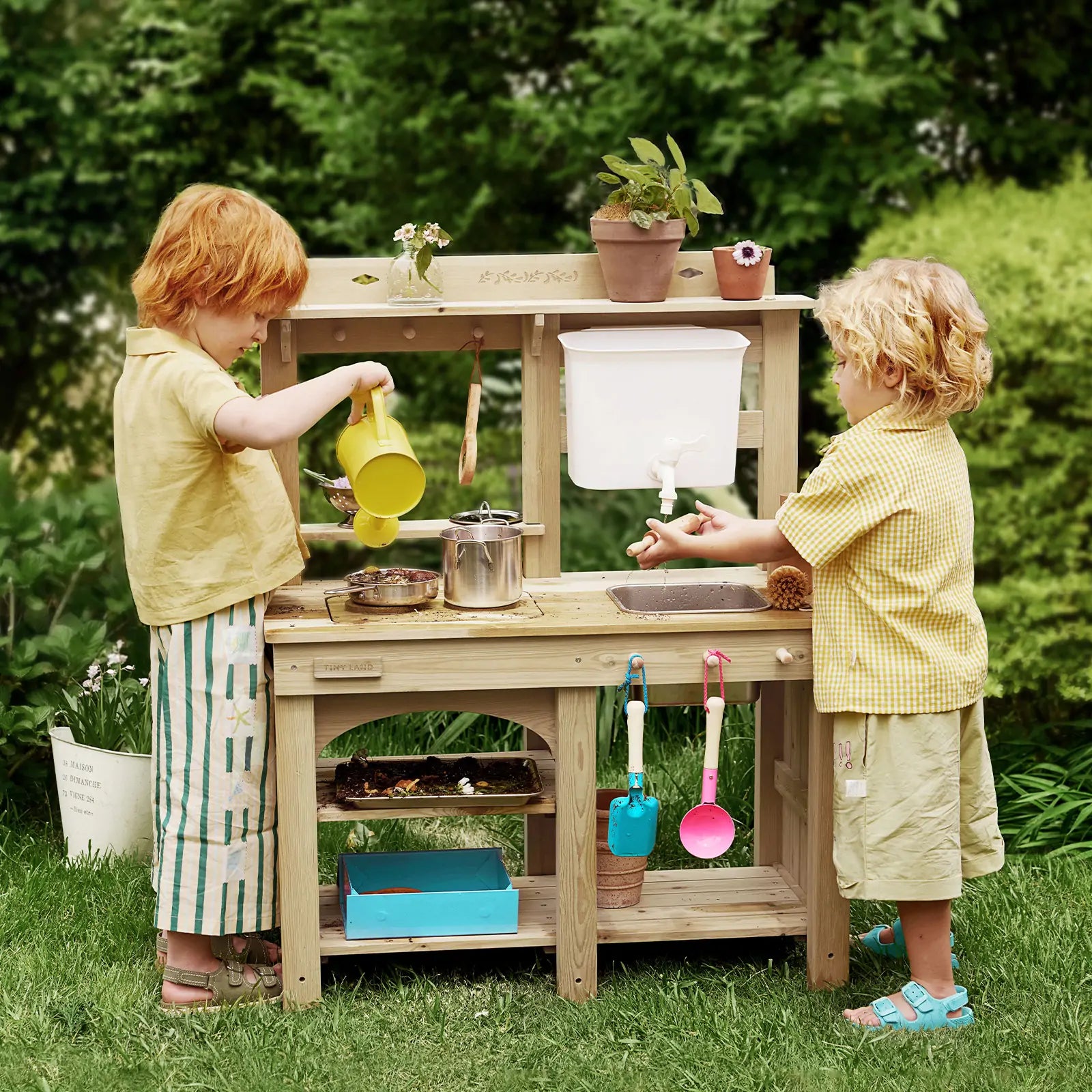
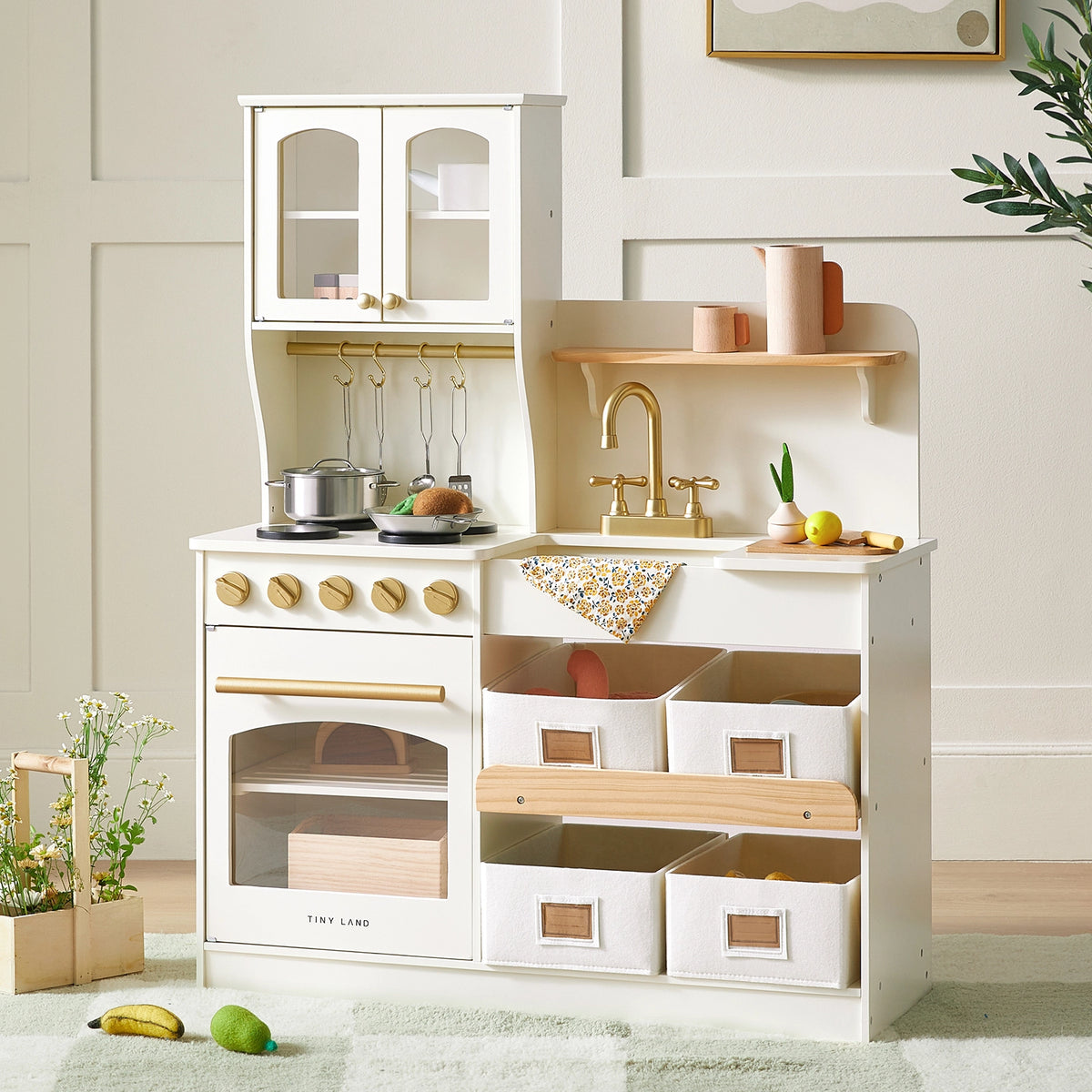
For example, wooden blocks can become a farm. Toy animals can live inside the blocks. Dolls can visit the house. A simple play scene becomes a full learning experience.
7. Color Matching Games
Color matching games are an easy way to introduce early thinking skills. Toddlers can match bright colors, sort objects, and group pieces by shade or pattern.
This supports focus, memory, visual learning, and problem solving. Children begin to understand that objects can be organized in different ways.
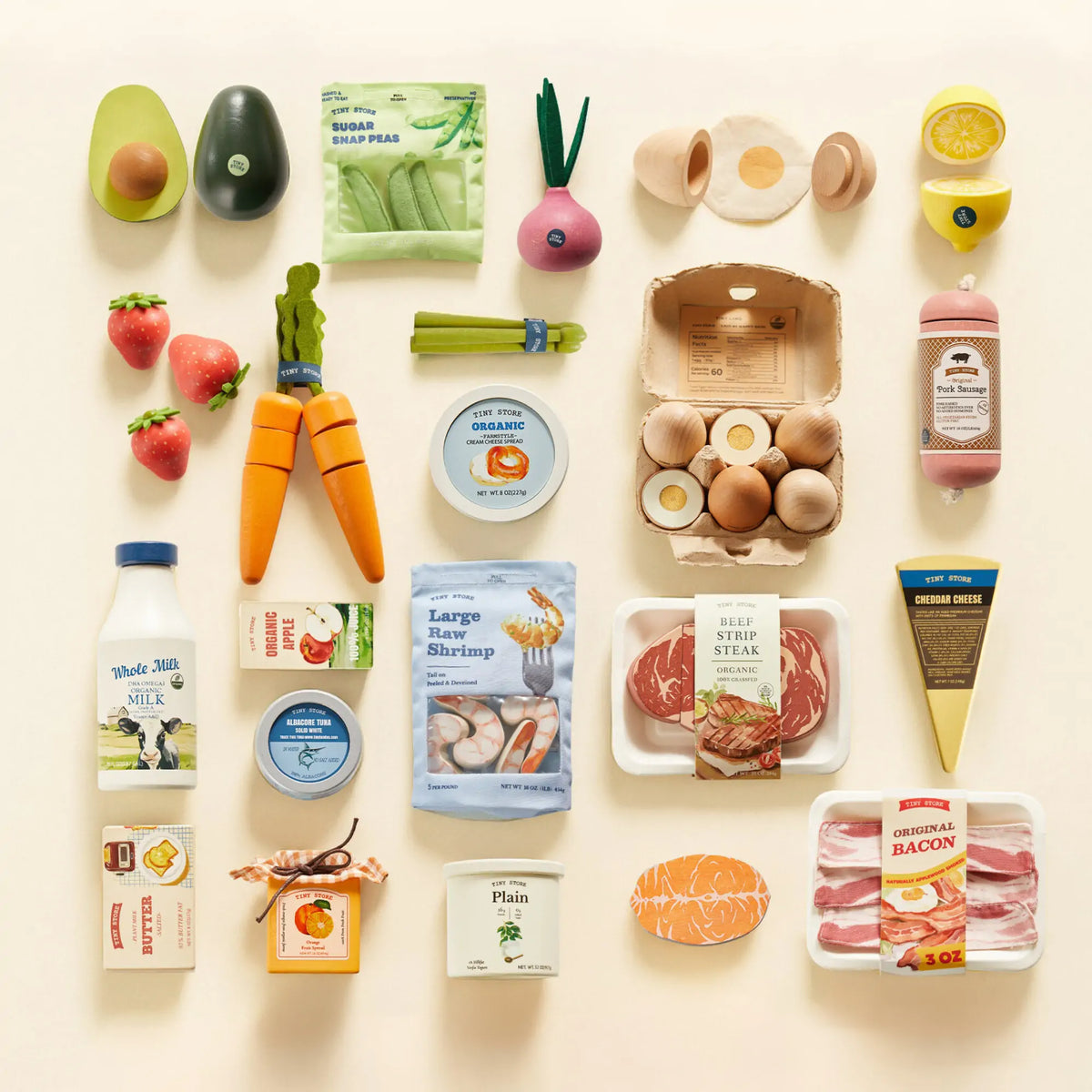
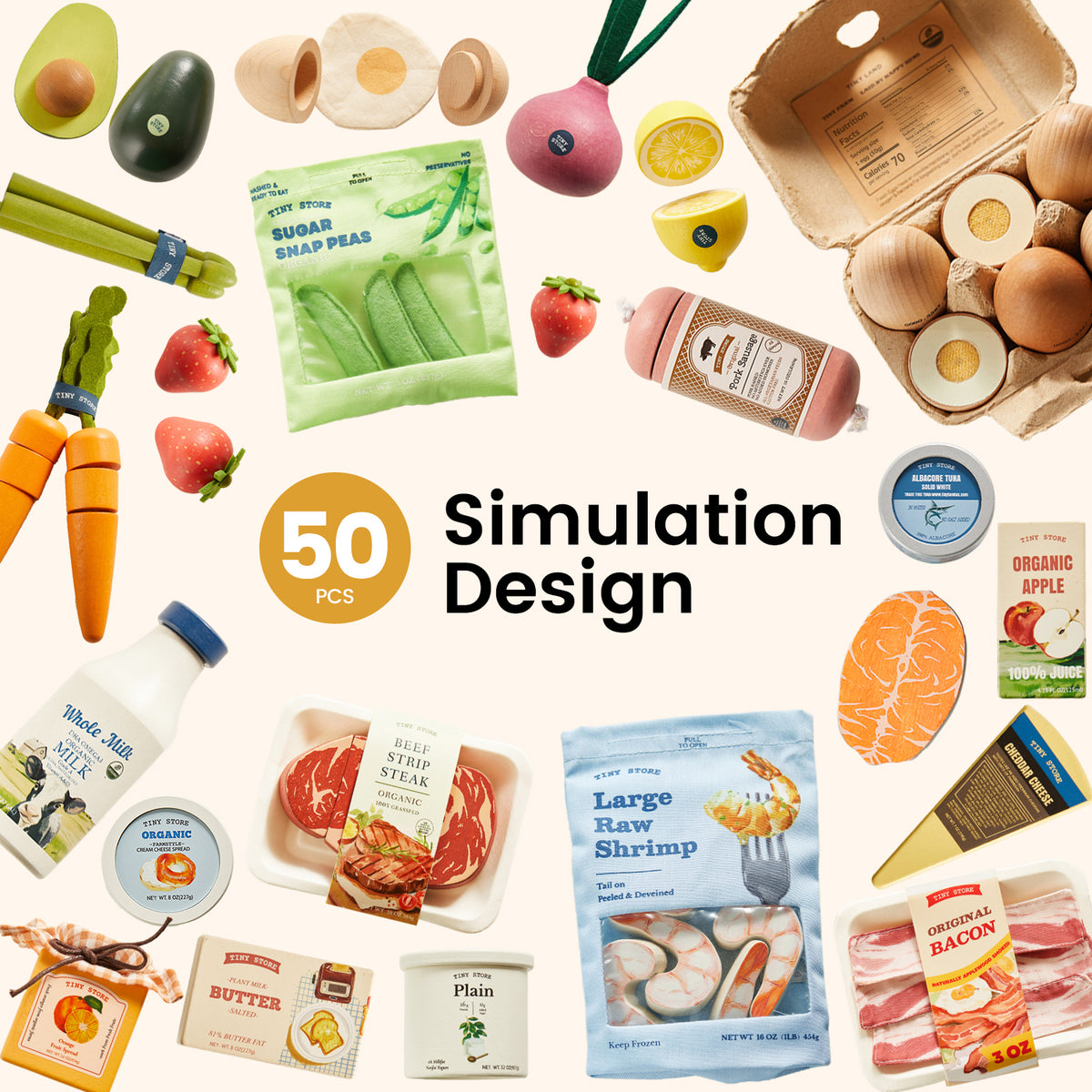
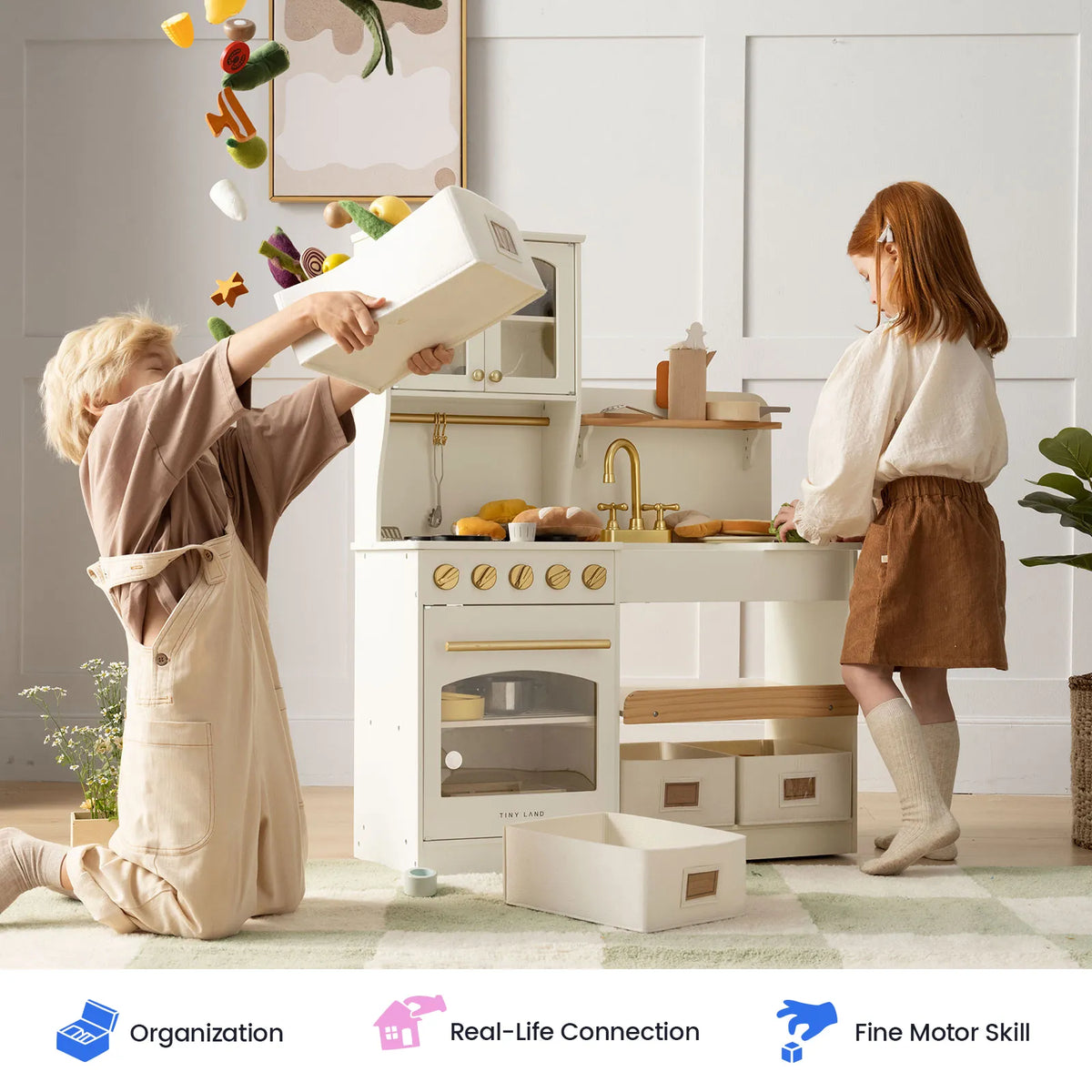
Color matching can be done with many toys: blocks, balls, puzzle pieces, toy food, animals, or simple sorting trays. Parents do not always need a special game. Everyday toys can become learning tools when children are encouraged to sort and compare.
8. Open Ended Toys
Some of the best problem solving toys are open ended toys because they do not tell children exactly what to do.
Examples include wooden blocks, magnetic tiles, play scarves, toy animals, dolls, pretend food, simple houses, building sets, and natural materials like stones, sticks, or pinecones.
These toys invite children to create their own ideas. One day, blocks become a tower. The next day, they become a road. Another day, they become an animal home.
Open ended play supports creativity, imagination, planning, and flexible thinking. It also helps children stay interested longer because the toy can change with the child’s ideas.

Wooden Toys vs. Plastic Toys
Many parents wonder whether wooden toys or plastic toys are better for learning. The answer depends on the toy.
Some plastic toys can be educational, especially if they encourage building, sorting, movement, or creative play. However, many plastic toys are designed for quick entertainment with buttons, lights, or sounds. These can be fun, but they may not always encourage active problem solving.
Wooden toys often have simpler designs. They usually require the child to do more of the work: stack, sort, build, balance, match, or imagine. This can be helpful for focus and hands-on learning.
The best choice is not only about material. It is about whether the toy encourages children to think, create, and interact.

How to Choose the Right Problem Solving Toys
When choosing toddler toys, think about your child’s age, interests, and current stage. A toy that is too easy may not hold attention. A toy that is too hard may cause frustration.
Good problem solving toys should be safe, durable, easy for little hands to hold, and interesting in different ways. They should encourage active play and support fine motor skills, creativity, and thinking.
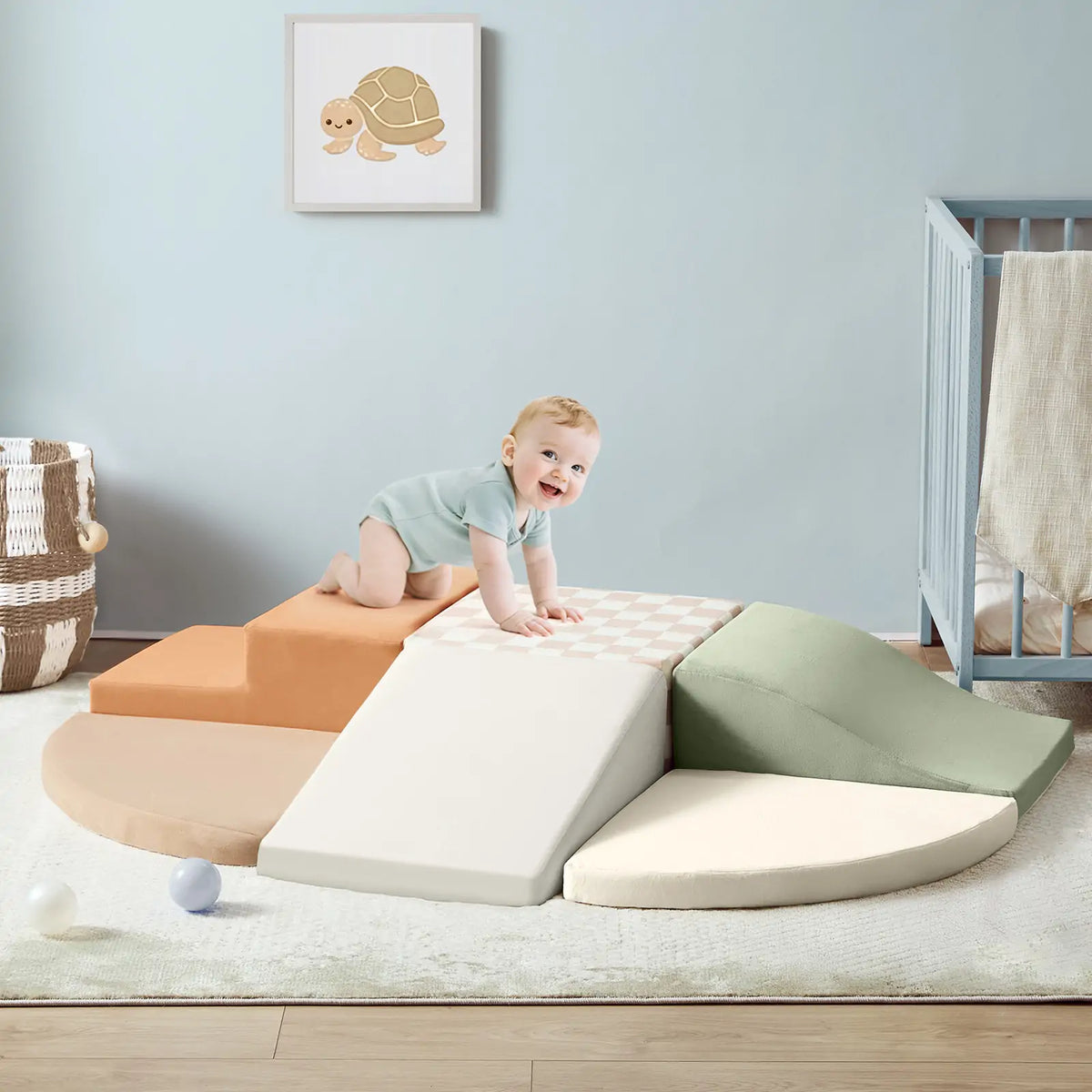
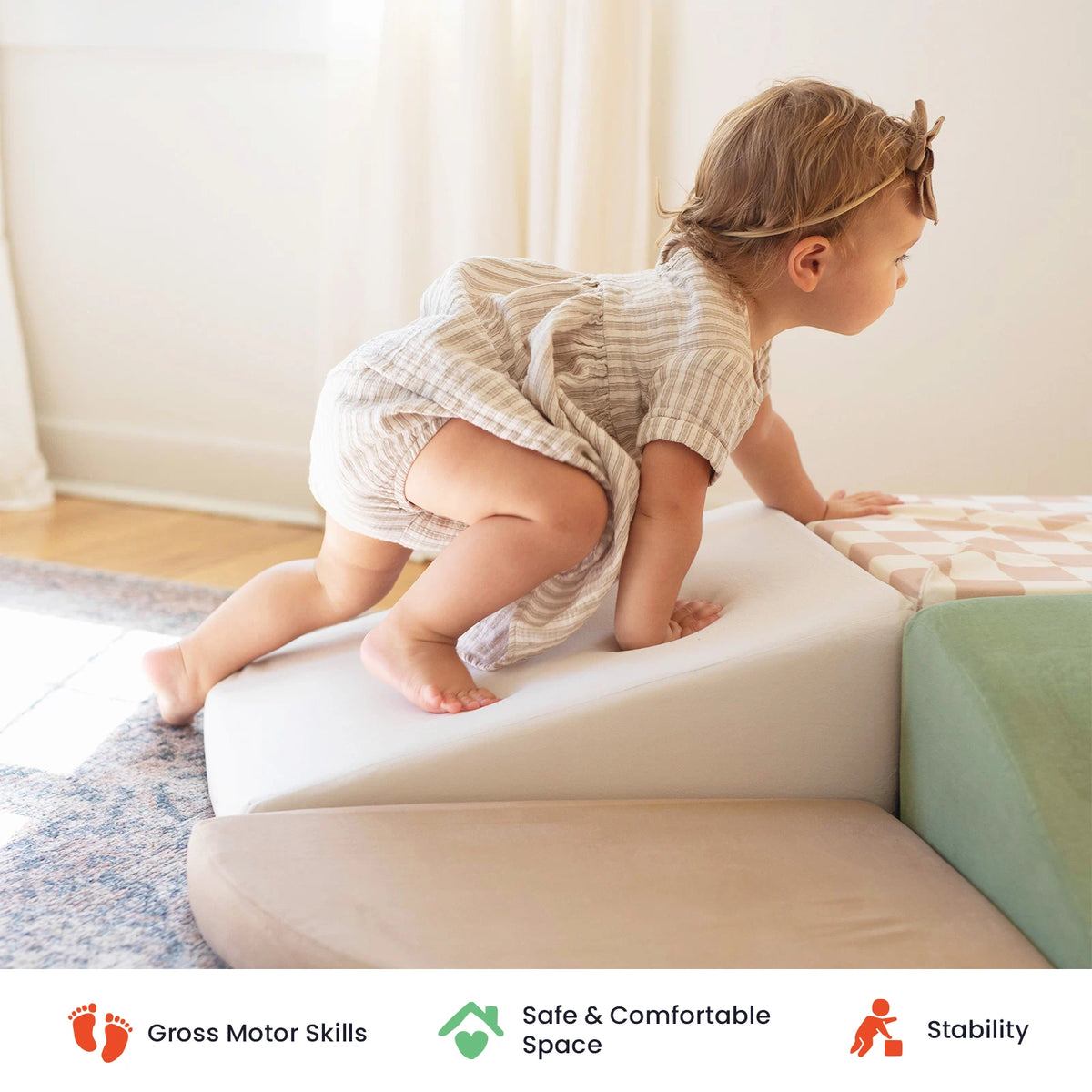
For babies and young toddlers, choose larger pieces, soft edges, and simple actions like stacking, dropping, or sorting. For older toddlers and preschoolers, look for puzzles, magnetic tiles, building sets, shape games, and pretend play sets with more possibilities.
The right toys should encourage children to explore at their own pace.
A Few Other Options Parents Can Try
If you want a few other options beyond puzzles and blocks, try toys that combine movement, sorting, and imagination.
Good examples include nesting cups, peg boards, matching cards, pretend food, simple board games, balance toys, threading toys, animal sorting sets, play houses, and stacking dolls.
These toys support problem solving in different ways. Some focus on matching and sorting. Others support balance, sequencing, creativity, or fine motor control.
The best toys are often the ones children return to again and again.

Why Problem Solving Toys Make a Perfect Gift
Problem solving toys can be a perfect gift because they are useful, fun, and development-friendly. Instead of offering only short-term entertainment, they give toddlers opportunities to build skills over time.
For birthdays, holidays, or preschool readiness, look for toys that encourage hands-on play and imagination. Wooden blocks, puzzles, shape sorters, magnetic tiles, and pretend play sets are all strong choices.
They are also practical for parents because many of these toys can grow with the child. A toddler may use blocks for stacking, while an older child uses the same blocks to create houses, roads, and imaginative worlds.

Final Thoughts
Problem solving begins long before school. It starts when a toddler tries to fit a shape into the right hole, balances wooden blocks, turns a puzzle piece, builds with magnetic tiles, or creates a pretend world with toy animals.
The best problem solving toys for toddlers are not always the loudest or most complicated. They are the toys that encourage children to think, explore, create, and try again.
Educational toys, especially open ended toys, can support fine motor skills, hand eye coordination, cognitive skills, critical thinking, creativity, and early childhood development. Most importantly, they make learning feel natural.
When children play, they discover how the world works. And with the right toys, every small challenge becomes a chance to learn.