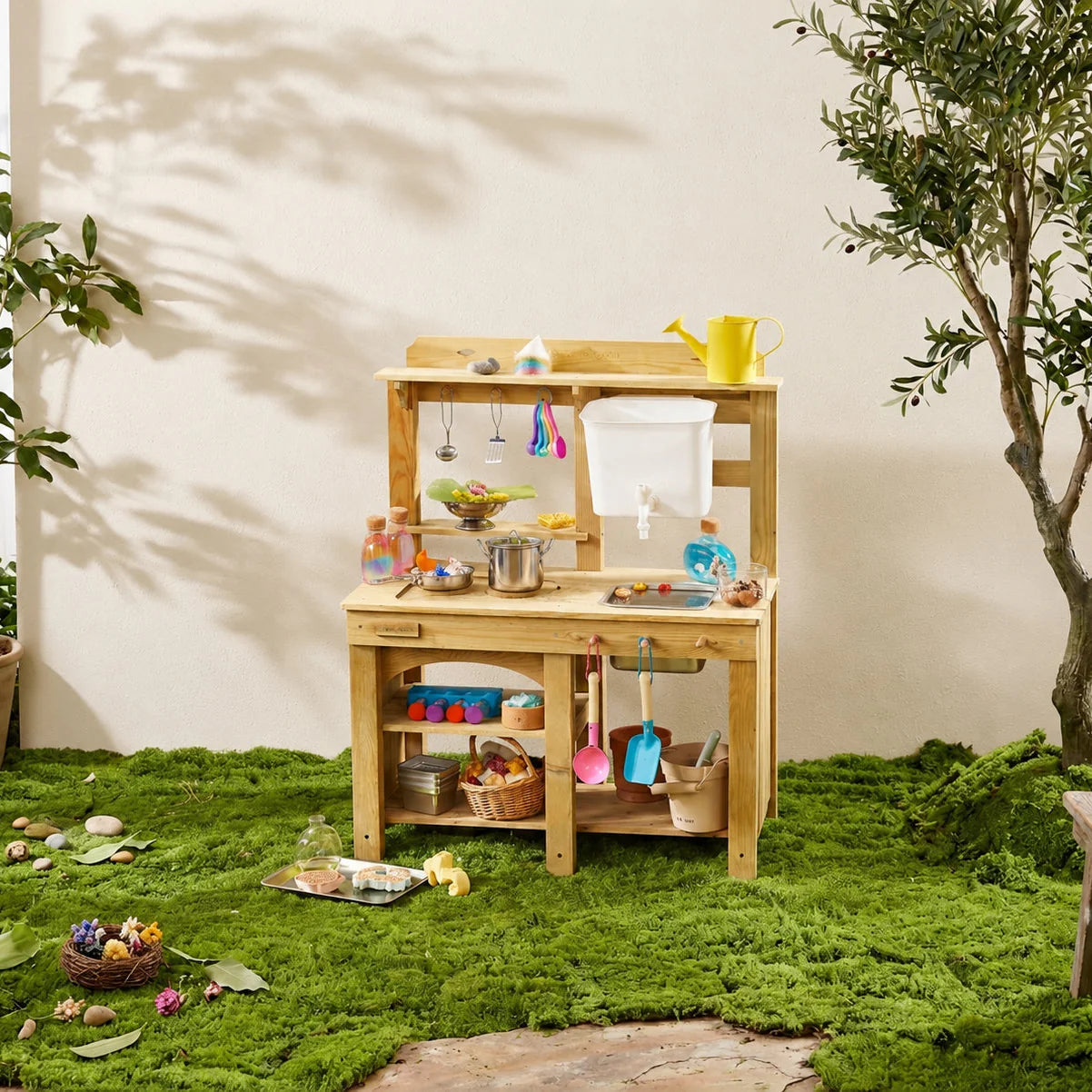
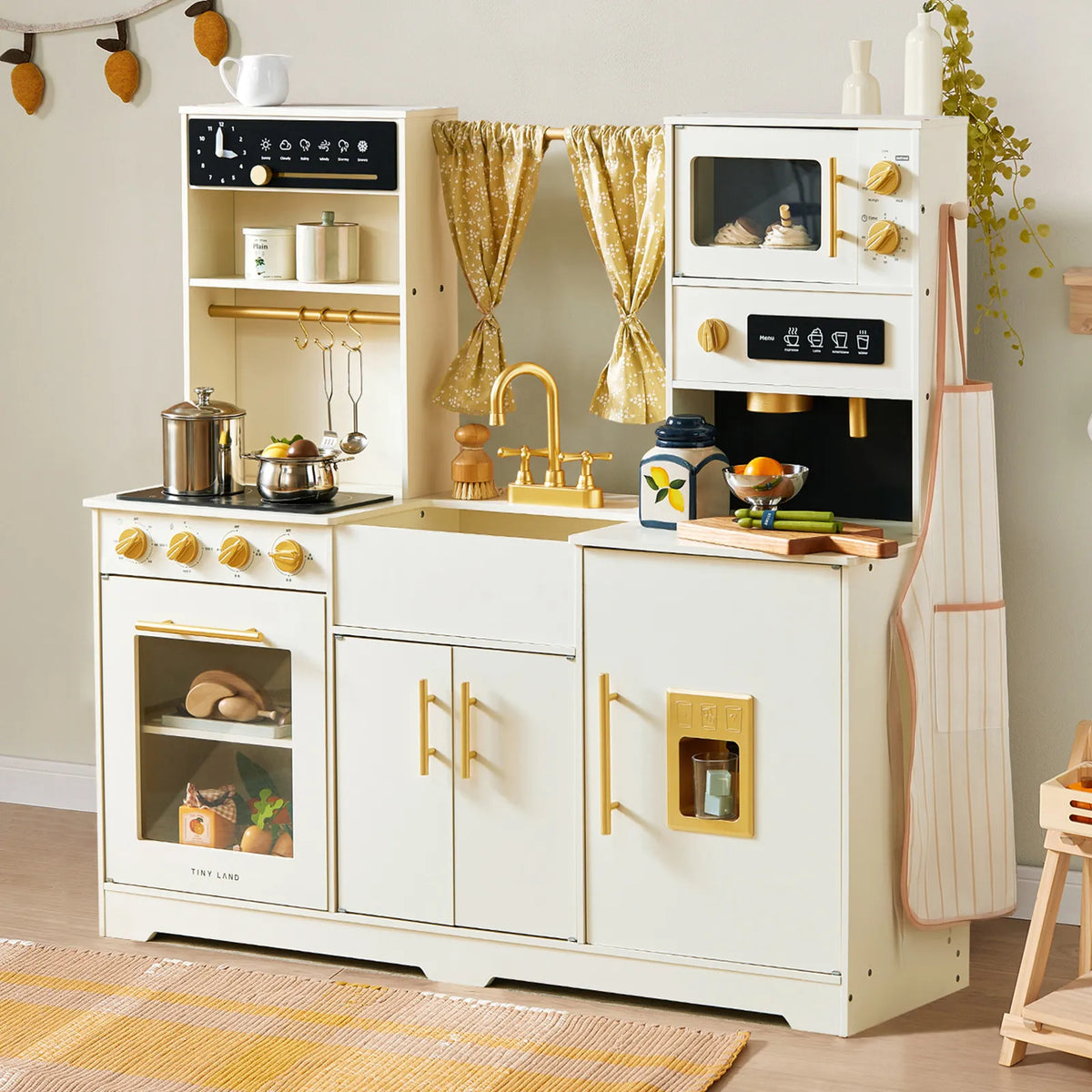
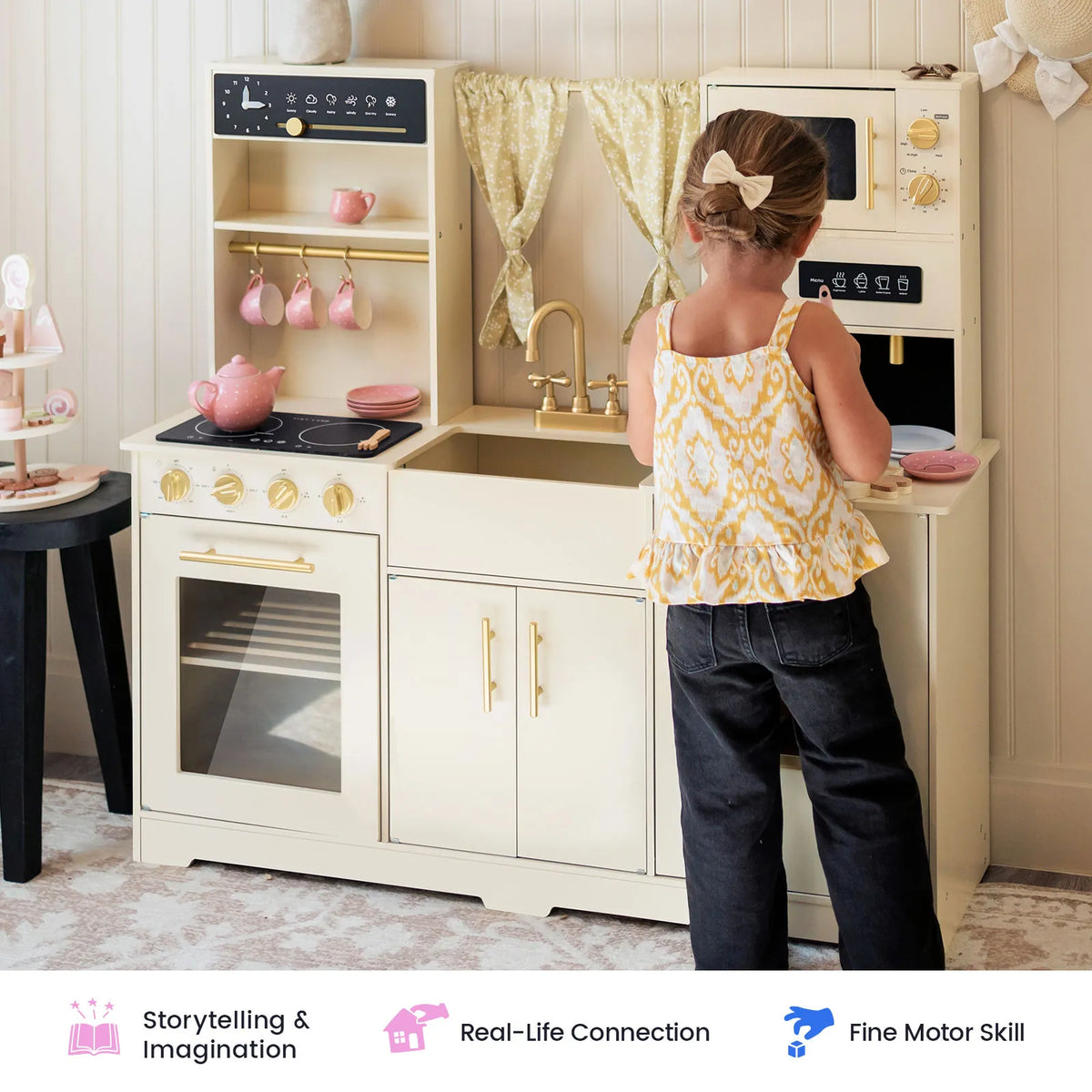
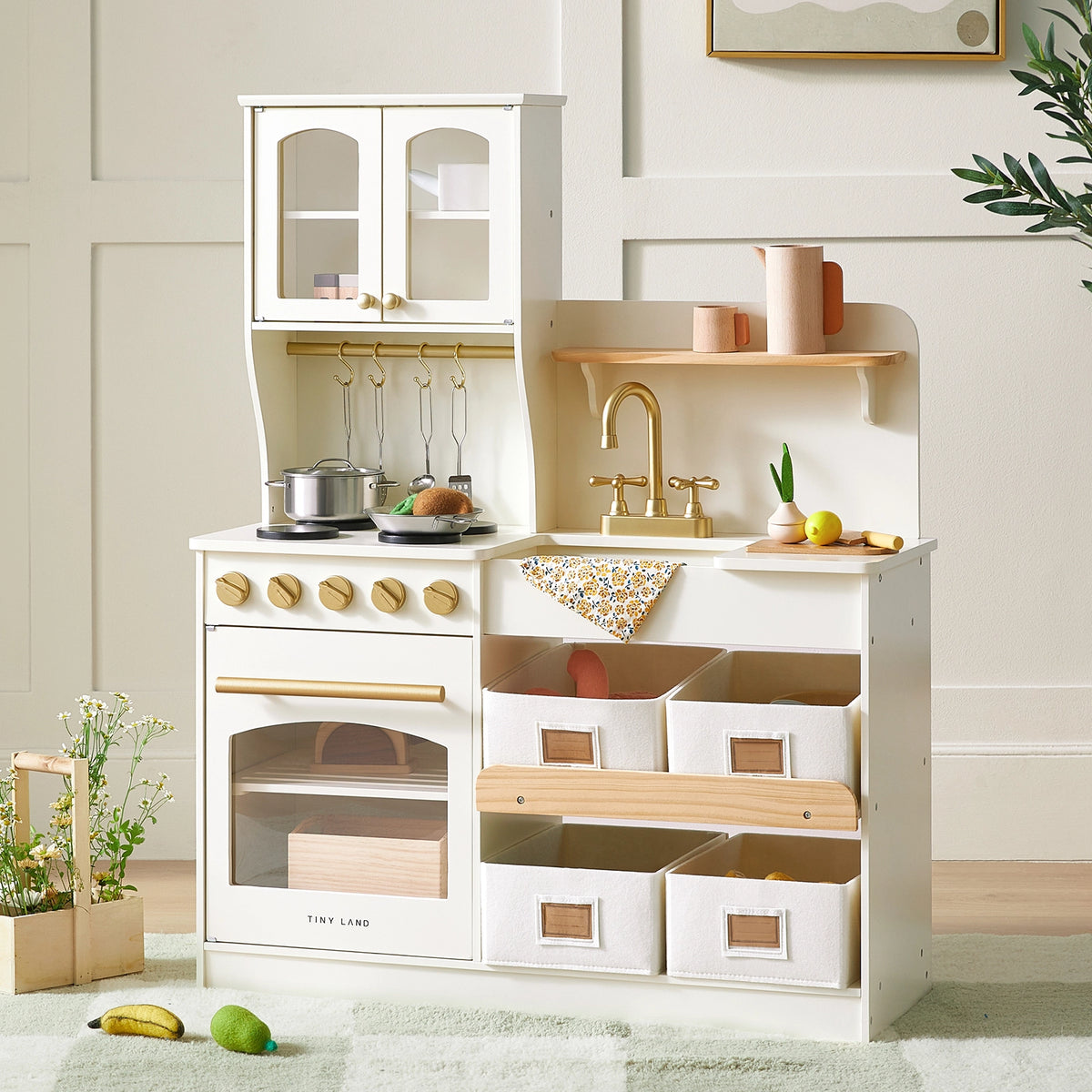
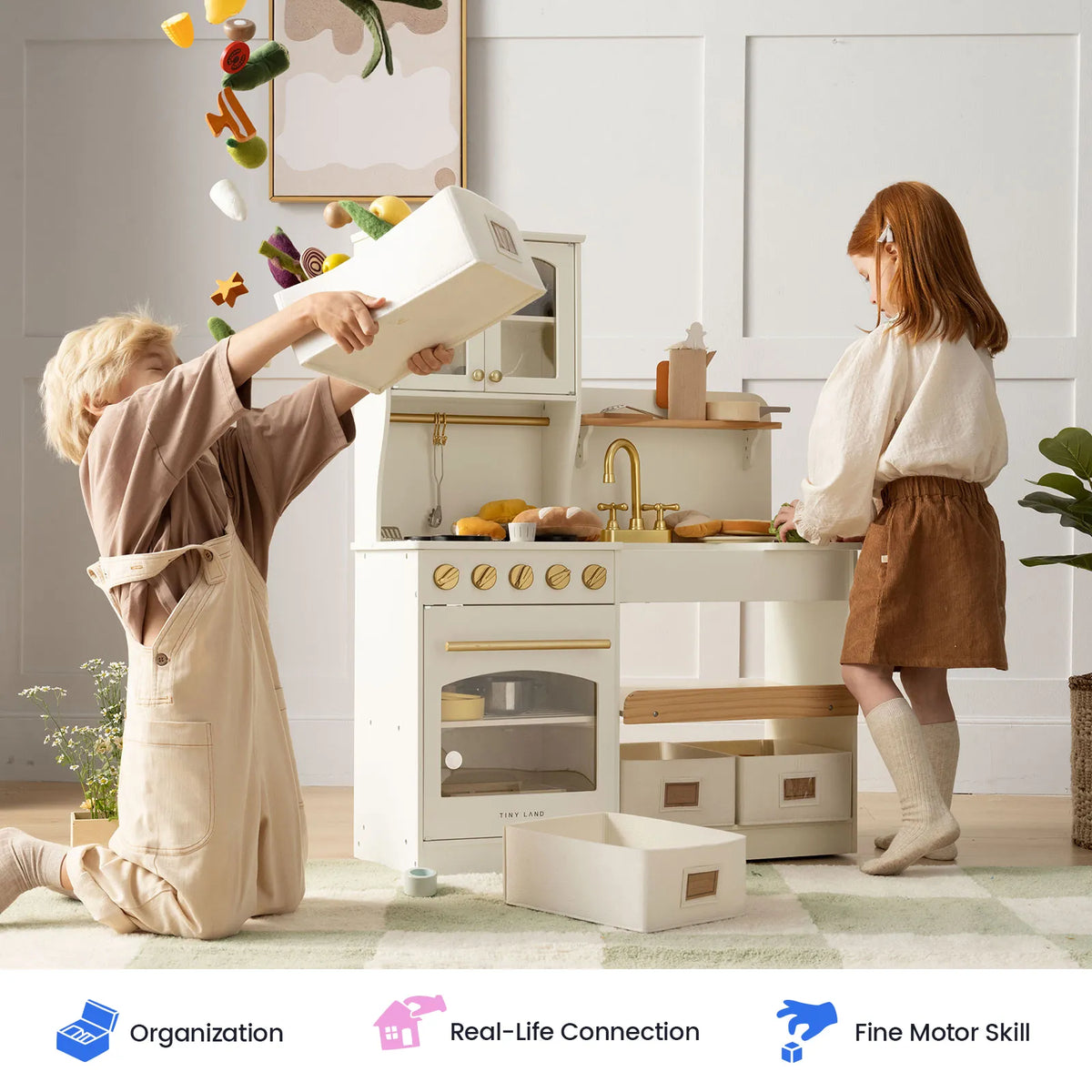
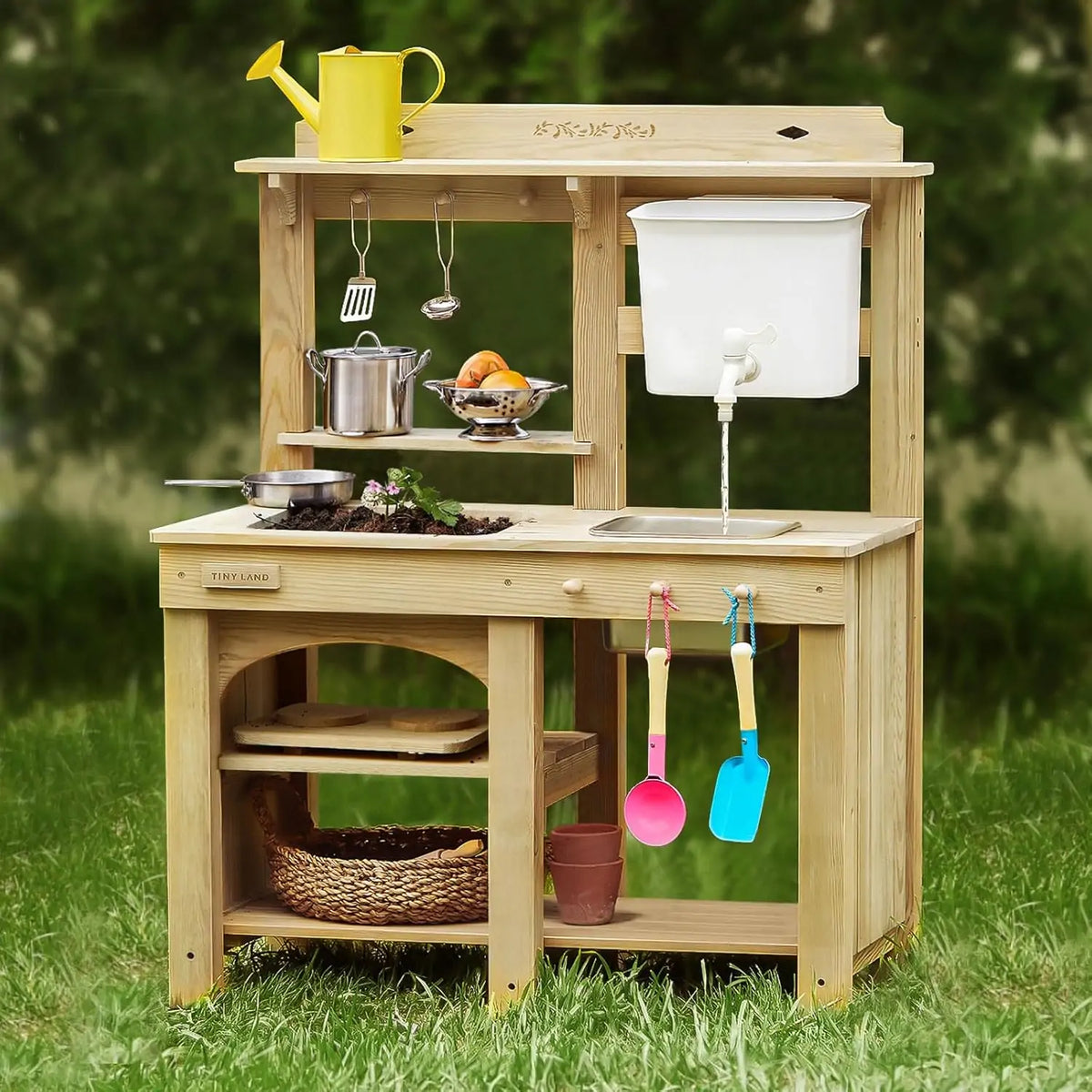
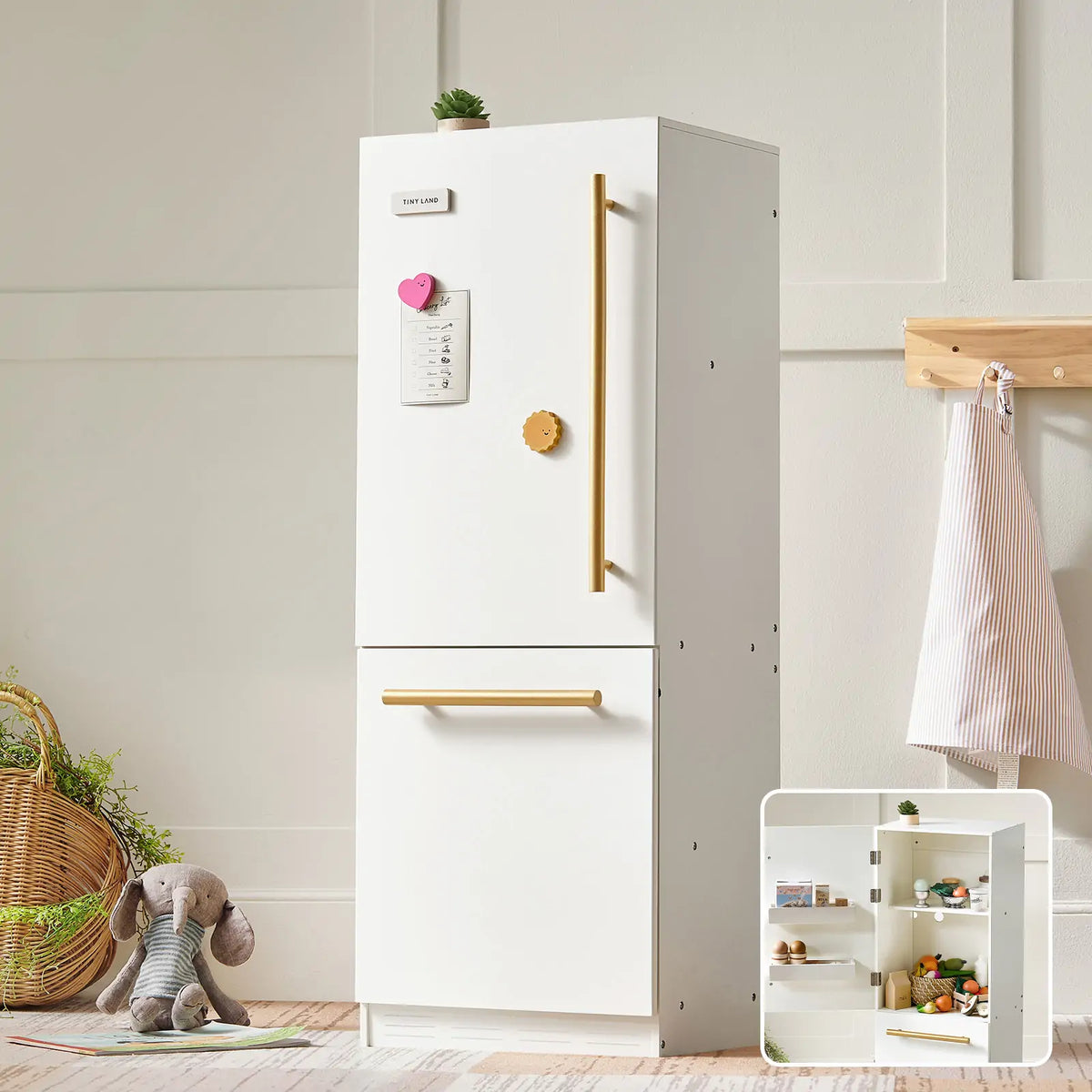
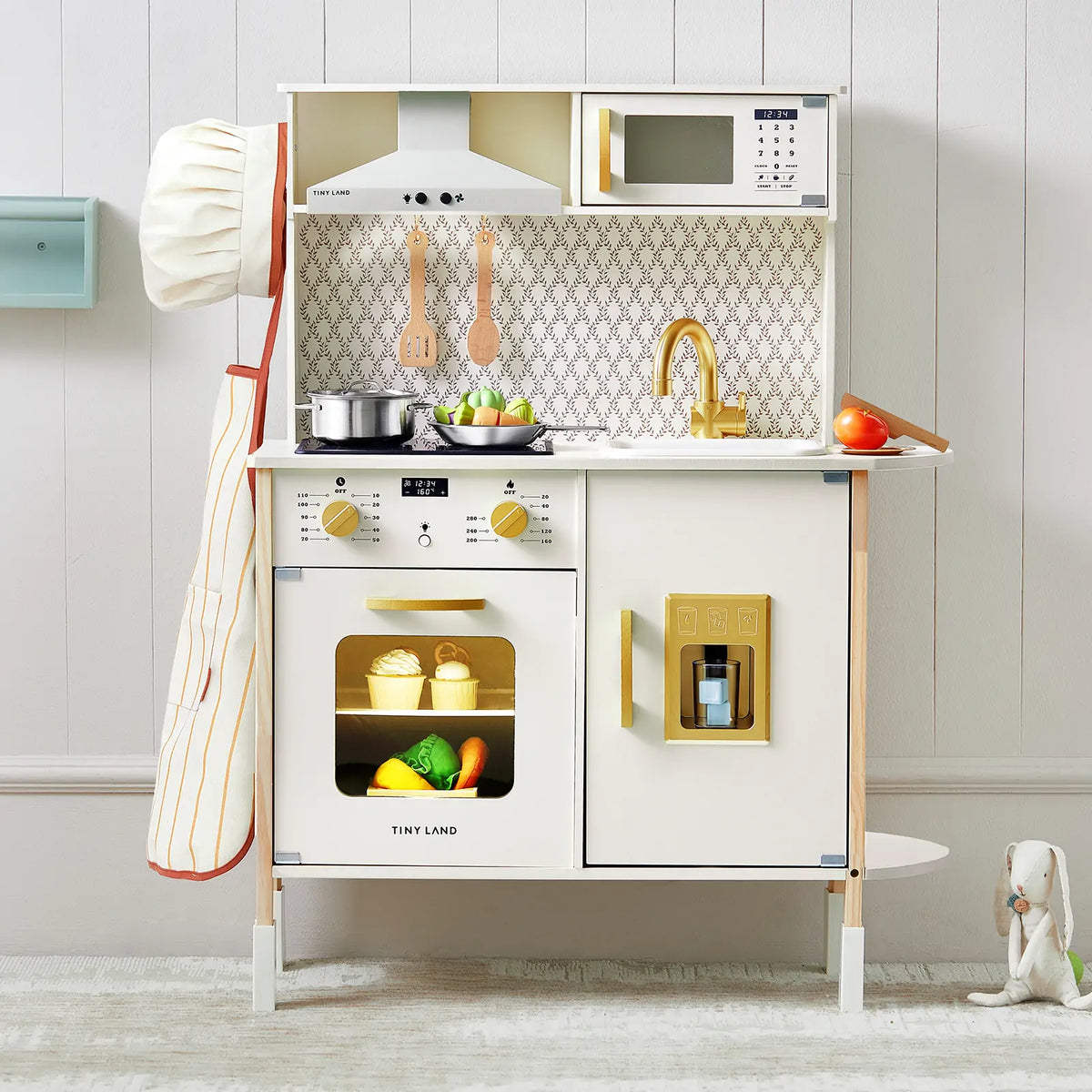
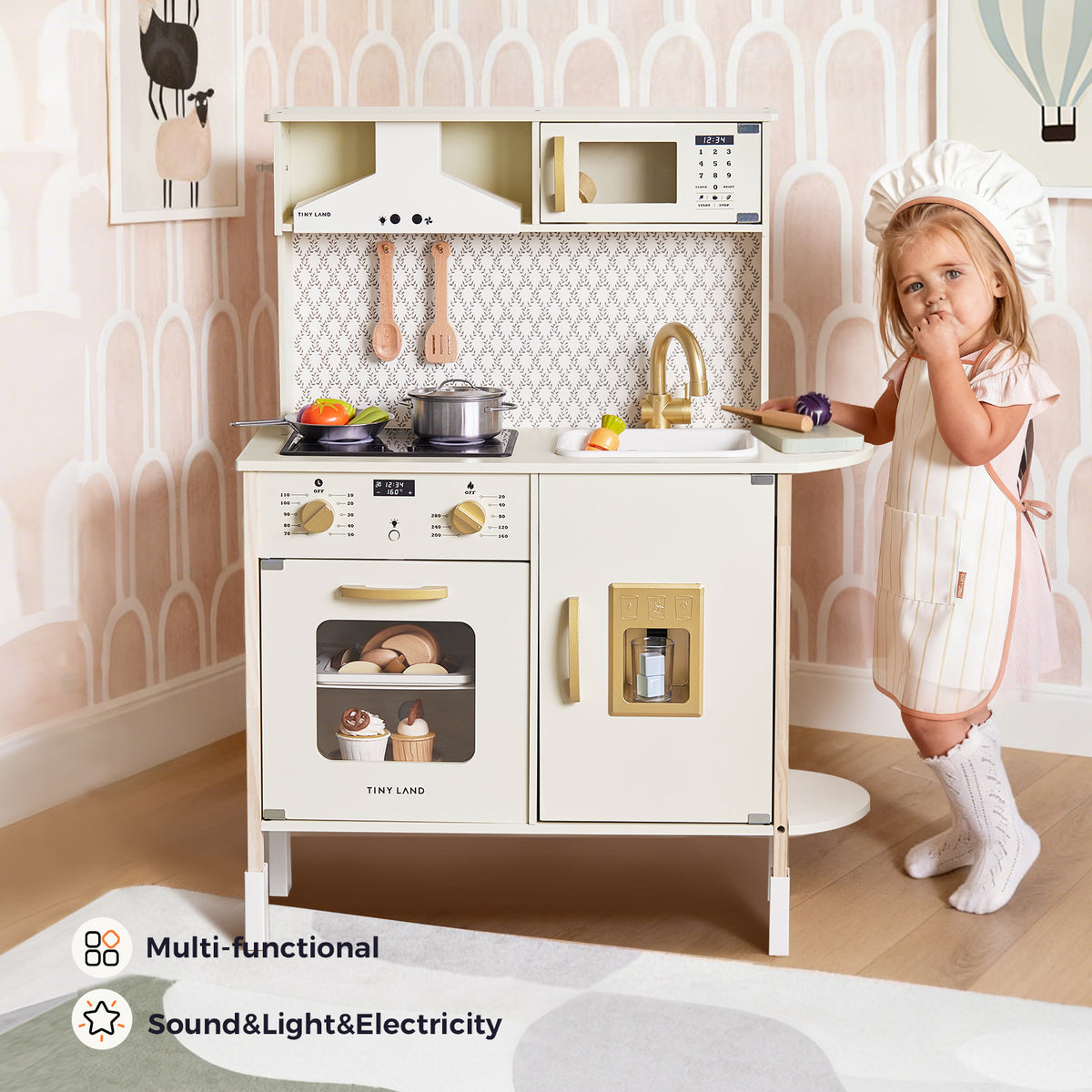



A playing kitchen set is one of those toys that can grow with a child for years. At first, little ones may simply open the oven, turn the clicking knobs, place pretend food into pots and pans, or explore the sink with their little hands. As they grow, the same pretend kitchen can become a restaurant, a family kitchen, a classroom café, or a whole world of imaginative play.
That is why play kitchens are more than cute toys for the playroom. They give kids a safe space to copy real life routines, practice real life skills, and enjoy everyday play in a way that feels fun and natural.

Why a Playing Kitchen Set Is Great for Pretend Play
Children love copying the everyday activities they see at home. They watch parents cook, prepare food, pour water, wash dishes, clean the sink, and serve meals to the whole family. A playing kitchen set gives them a child-sized space to try those routines through pretend play.
Kids can “cook” dinner, use a cutting board for pretend food prep, put food pieces into a pan, or serve dishes to friends and family. These small actions help children understand the world around them.
The best part is that pretend play has no fixed rules. One child may make soup with play food. Another may pretend to bake in the oven. A toddler may simply enjoy putting accessories in and out of the cabinets. All of it supports learning because the child is exploring, testing, and creating.

How Play Kitchens Support a Child’s Development
A good kids play kitchen can support many parts of a child’s development at the same time.
When children pick up utensils, turn knobs, hold pretend food, open doors, place dishes on a drying rack, or move pans from one place to another, they build fine motor skills. These small hand movements help with coordination and control.
When they decide what to cook, where to put the food, or how to serve others, they practice problem solving. They learn to make choices, follow steps, and try again when something does not go as planned.
A playing kitchen set also supports language development. During play, kids naturally use words like cook, food, sink, water, dishes, oven, stove, utensils, family, and friends. Parents can join in by asking simple questions such as, “What are you cooking today?” or “Can I have some soup?” These small conversations help children build vocabulary and confidence.
The Power of Imaginative Play
A pretend kitchen is powerful because it leaves room for creativity. Children are not limited to one way of playing. They can imagine they are a chef, parent, shop owner, teacher, or restaurant server.
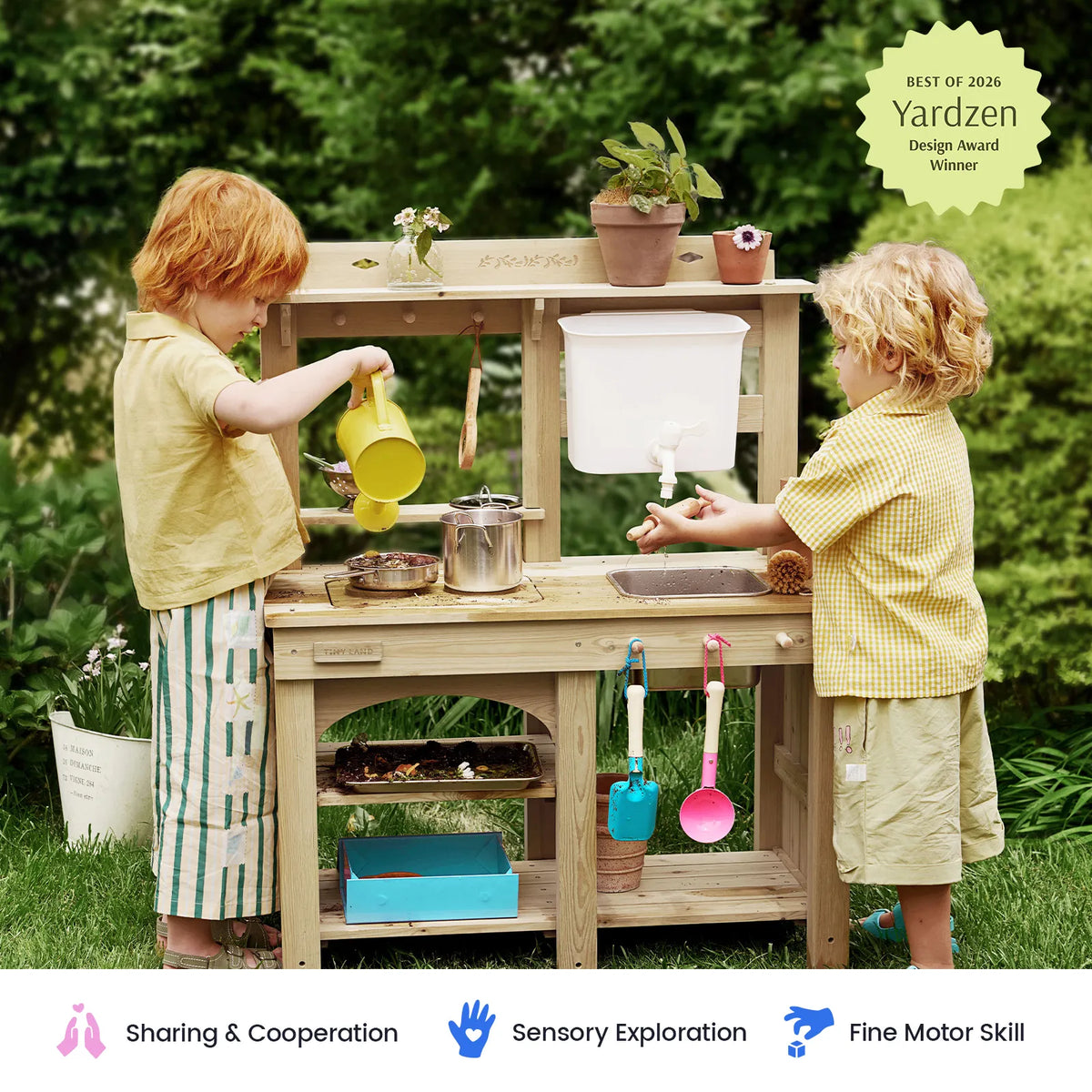
This type of role play helps kids understand different people and situations. They learn how to care for others, share food, take turns, and explain what they are doing. When friends or siblings join, play kitchens also support social skills. One child can cook, another can wash dishes, and another can set the table.
Most importantly, a playing kitchen set encourages imagination. A simple pot can become soup, pasta, or tea. A few food sets can become a full dinner. A small kitchen can become a busy restaurant. This kind of open-ended play helps children build confidence and creativity.

What to Look for in a Kids Play Kitchen
When choosing a kids play kitchen, parents should think about safety, size, features, and how the kitchen will fit into daily life.
A good play kitchen should have a sturdy structure, smooth edges, and child-friendly details. Parents should always prioritize safety, especially for younger children. Check the recommended age, the size of small accessories, and whether the kitchen is stable enough for everyday use.
Helpful features may include a sink, stove, oven, shelves, hooks, storage space, clicking knobs, and interactive features. Some kitchen playsets may include a fresh water tank or water tank that allows kids to play with real water or enjoy a running water feature. This can make washing dishes and food prep feel more realistic, but parents should make sure the feature is easy to clean and supervise.
For families with small spaces, a compact design is especially useful. A smaller kitchen can still offer plenty of fun if it includes the right accessories and storage.
Play Food and Accessories Make Play More Exciting
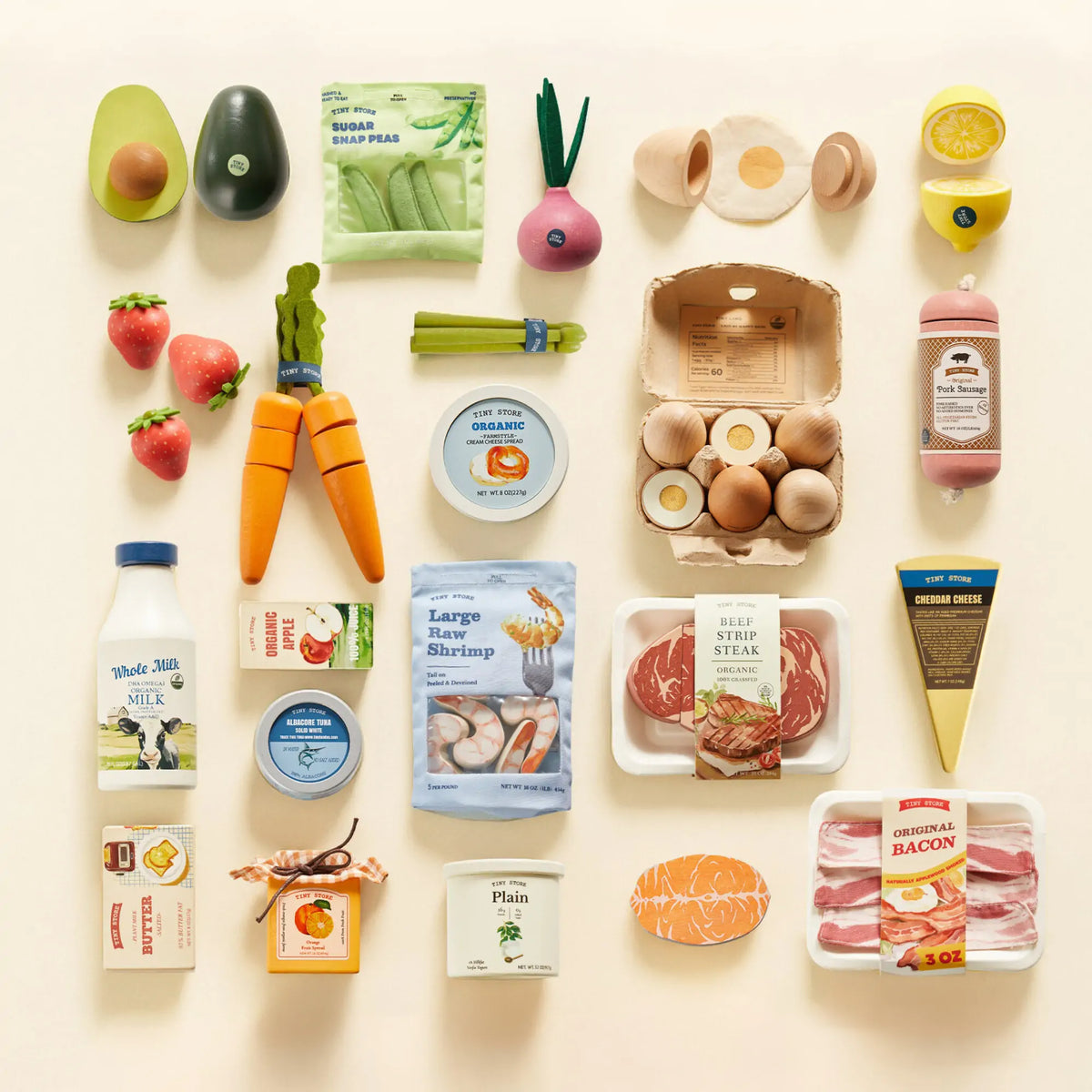
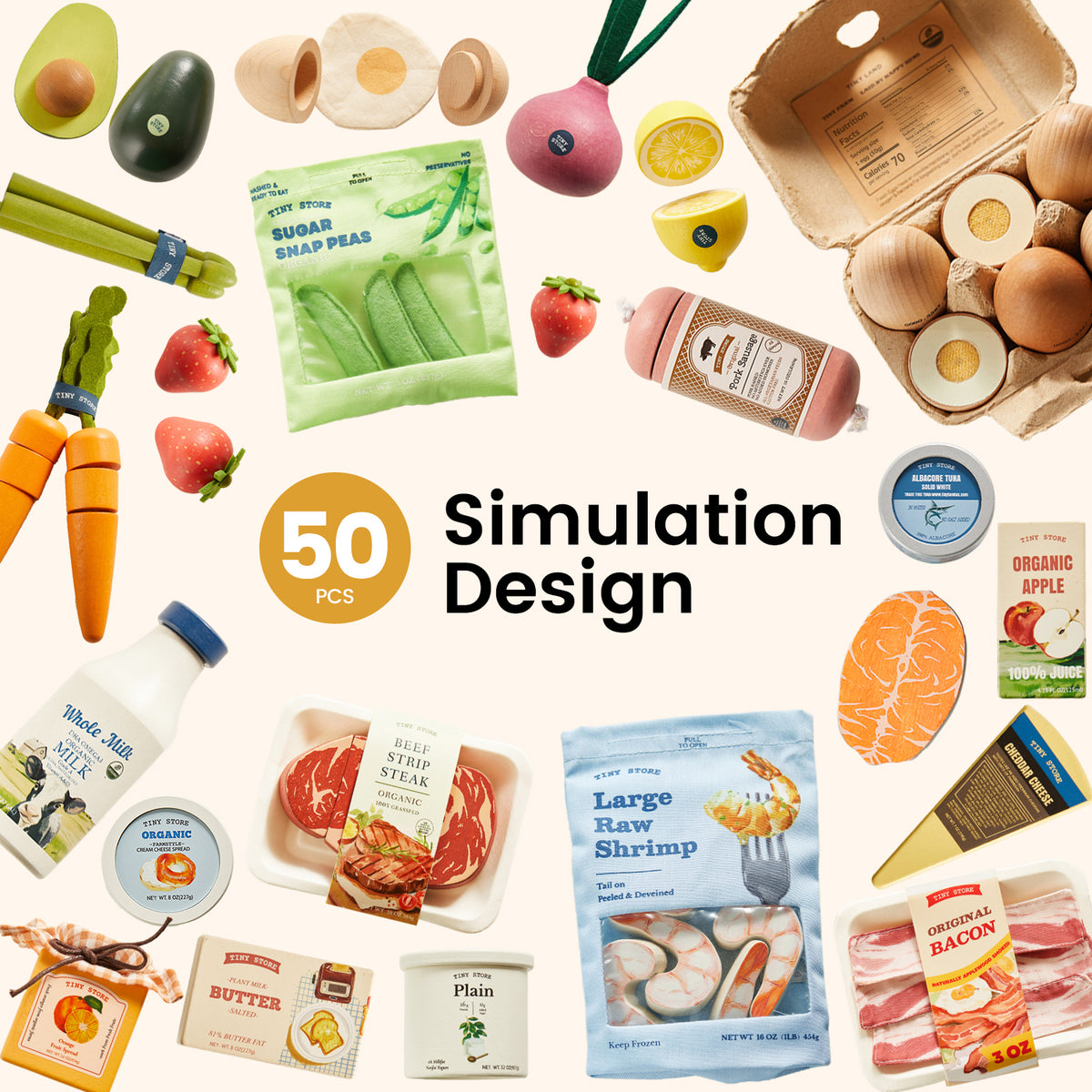
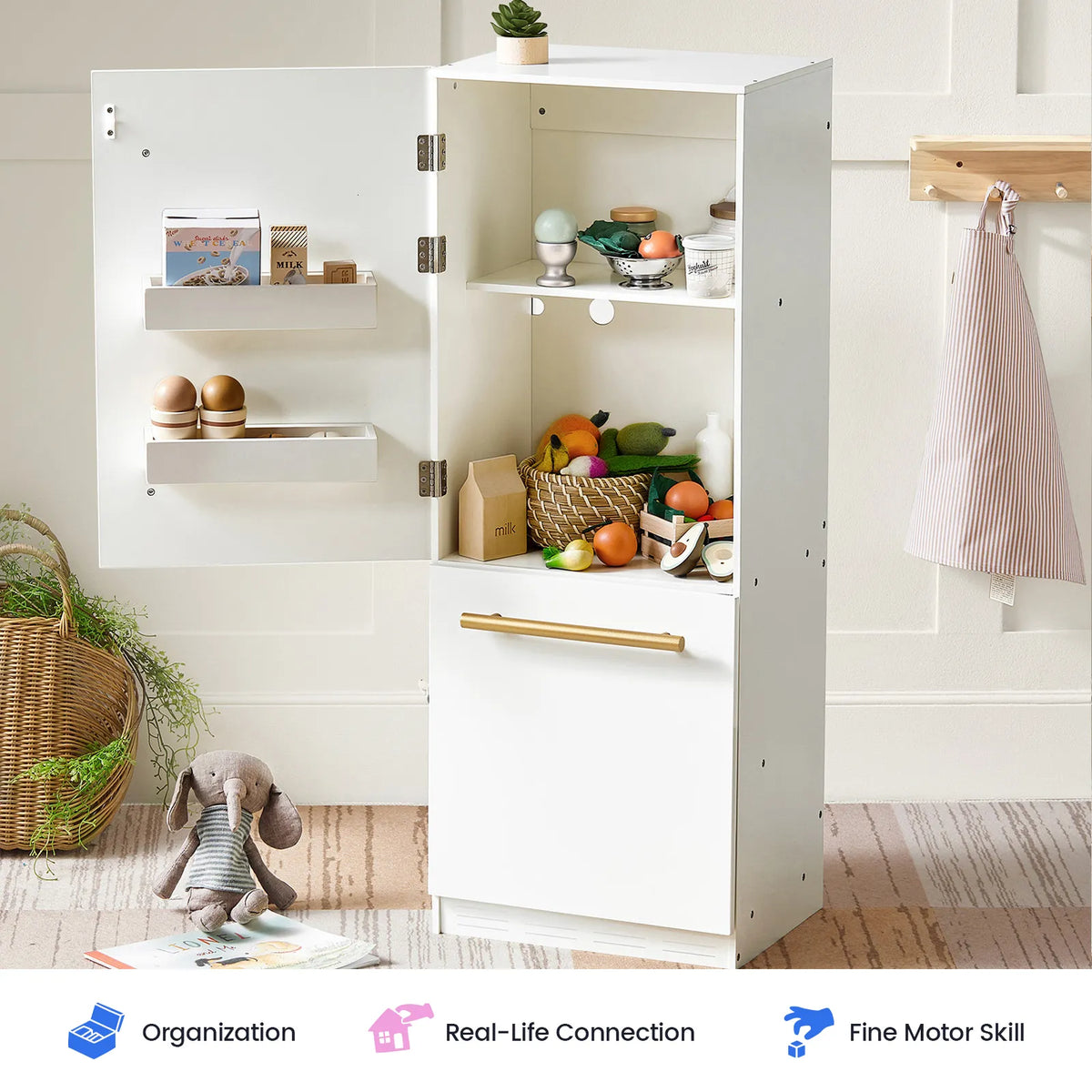
A playing kitchen set becomes more engaging when children have useful play kitchen accessories. Play food, pretend food, food sets, food pieces, utensils, pots, pans, dishes, and a cutting board can all make the experience feel more complete.
Accessories help children create new stories. They can cook breakfast, prepare lunch, serve dinner, wash plates, or host a pretend party. These small tools give kids more ways to explore hands on learning.
Parents do not need to buy too many plastic accessories at once. A few well-chosen pieces are often enough. Too many toys can make the space feel crowded, while a simple set of food, pans, and utensils can leave more room for imagination.

Playing Kitchen Set for Boys and Girls
A playing kitchen set is a wonderful toy for both boys and girls. Cooking, cleaning, sharing, and helping are everyday life skills every child can learn.
In a pretend kitchen, children can explore family routines in a safe and playful way. They can cook for dolls, serve parents, invite friends, or pretend to run a restaurant. This kind of play helps children feel included in real life activities while still enjoying a child-sized world.
It can also be a fun toy for the classroom, playroom, or family room. Because kitchen sets naturally encourage cooperation, they work well for group play and shared learning.
How Parents Can Join the Play
Parents do not need to control the game. In fact, children often learn best when they lead the play themselves. But joining for a few minutes can make the experience richer.
You can ask what your child is cooking, pretend to order food, help wash dishes, or name different food pieces together. These simple moments support language development, social skills, and emotional connection.
A pretend kitchen can also sit near the real kitchen, so little ones can “cook” while parents prepare real meals. This makes them feel part of the family routine while keeping them safe.

Final Thoughts
A playing kitchen set is more than a toy kitchen. It is a space for pretend play, creativity, fine motor skills, language development, social skills, problem solving, and everyday learning.
Through cooking, washing dishes, using utensils, serving pretend food, and playing with family or friends, children learn in a way that feels natural and fun. They practice essential skills, explore imagination, and build confidence through hands on play.
For parents looking for pretend play toys that can support everyday play and grow with their child, a playing kitchen set is a thoughtful choice. It brings real life into a playful world where kids can cook, create, pretend, and learn every day.