


For young children, play can be more than entertainment. In the right classroom environment, meaningful, hands-on play can become part of how children explore everyday routines, practice play skills, and engage with others.
For Brandi Maury, a Pre-K ESE teacher in Central Florida, this is already an important part of her classroom approach.

“Meaningful, Hands-On Play” in the Pre-K Classroom
Brandi teaches at a Title I elementary school in a self-contained Pre-K Exceptional Student Education (ESE) classroom, serving children ages 3–5 with a wide range of disabilities and developmental delays.
For her, creating opportunities for meaningful, hands-on play is an important part of creating a classroom where every child can learn, grow, and thrive at their own pace.
She shared why hands-on play matters to her students:
“I believe meaningful, hands-on play is one of the most powerful ways to help my students develop these essential life skills.”
This perspective provides an important starting point for understanding the role of pretend play in her classroom. Her students are working on:
- Language and communication skills
- Early academic skills
- Social-emotional development
- Play and peer interaction skills
- Independence and daily living skills

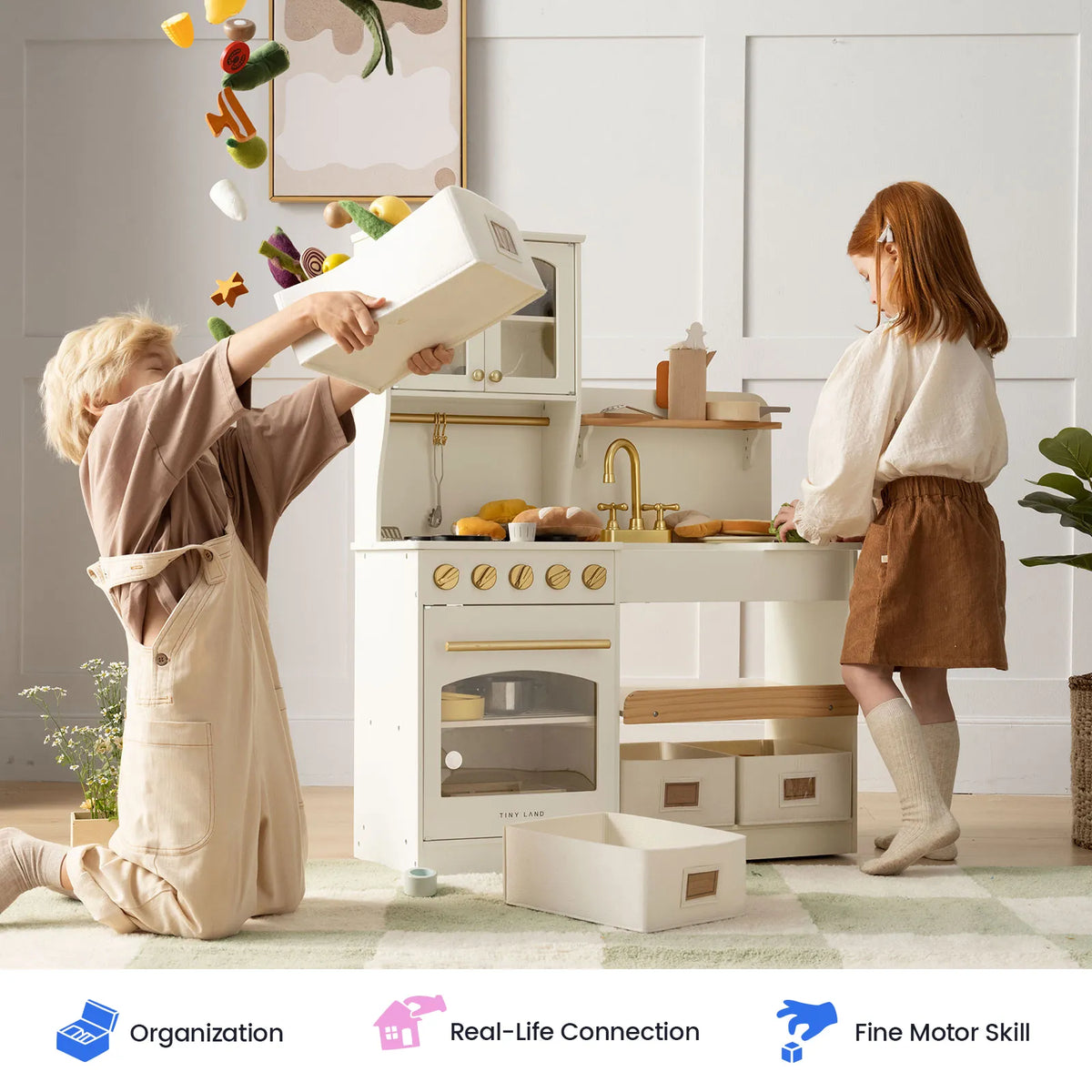
Pretend Cooking as a Familiar Form of Play
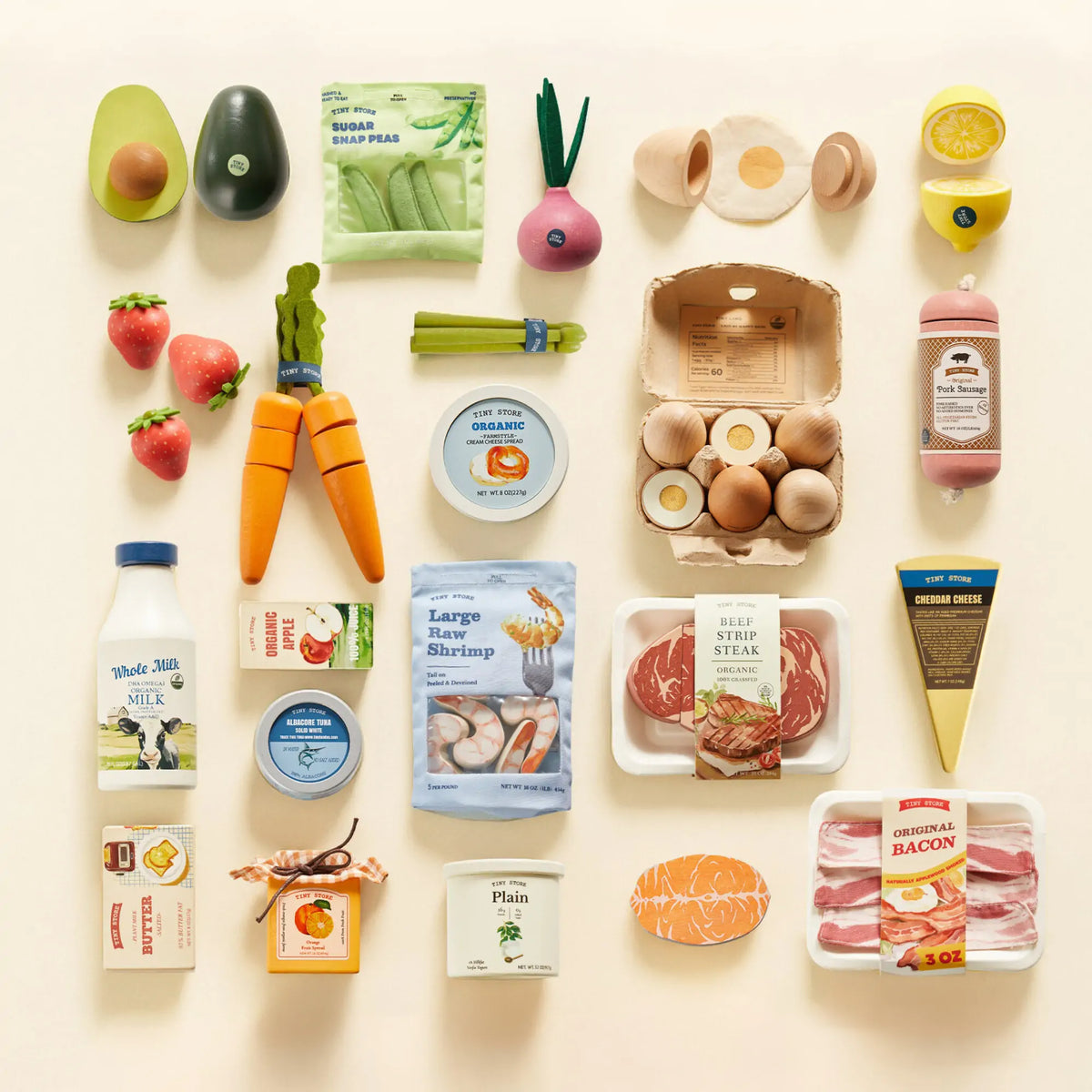
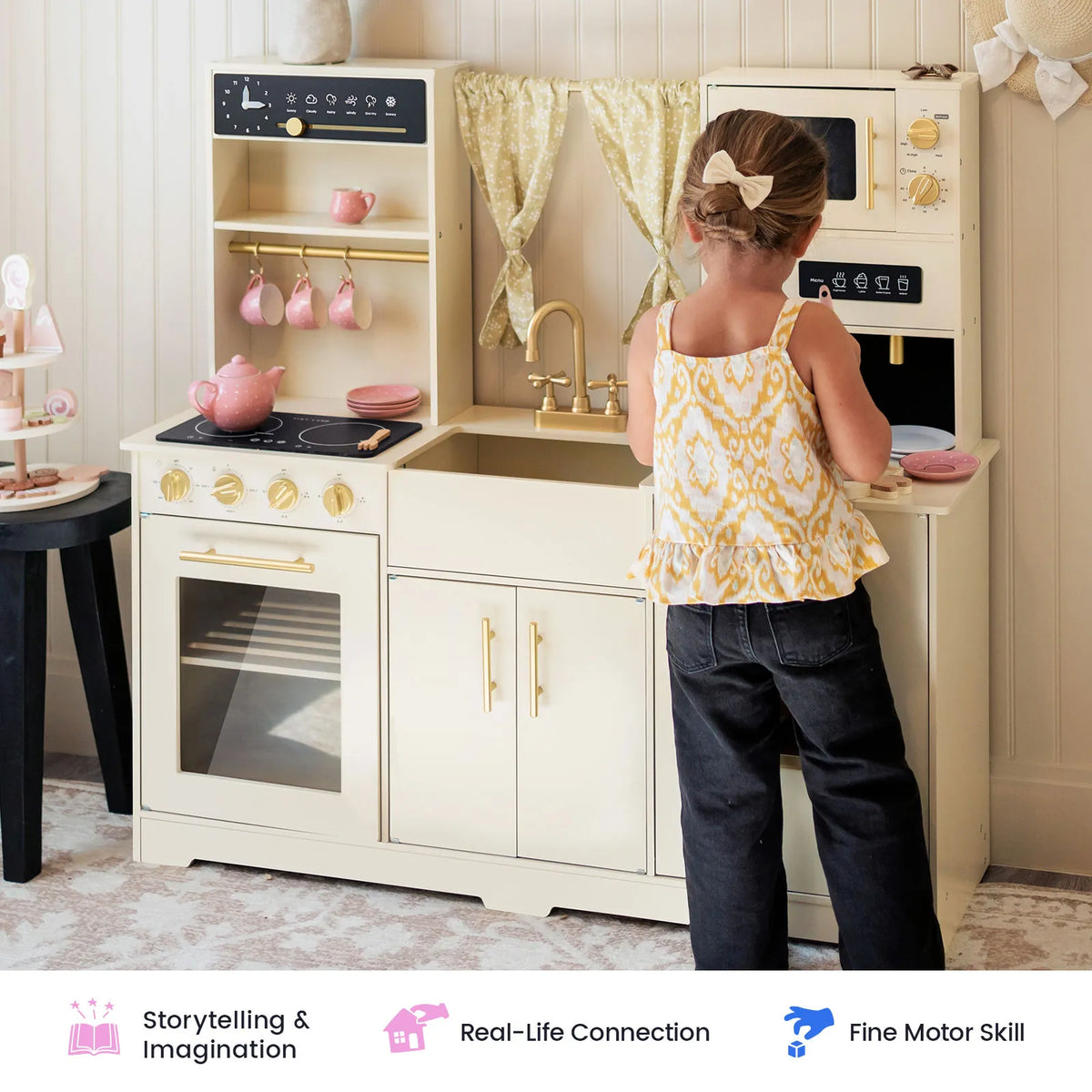
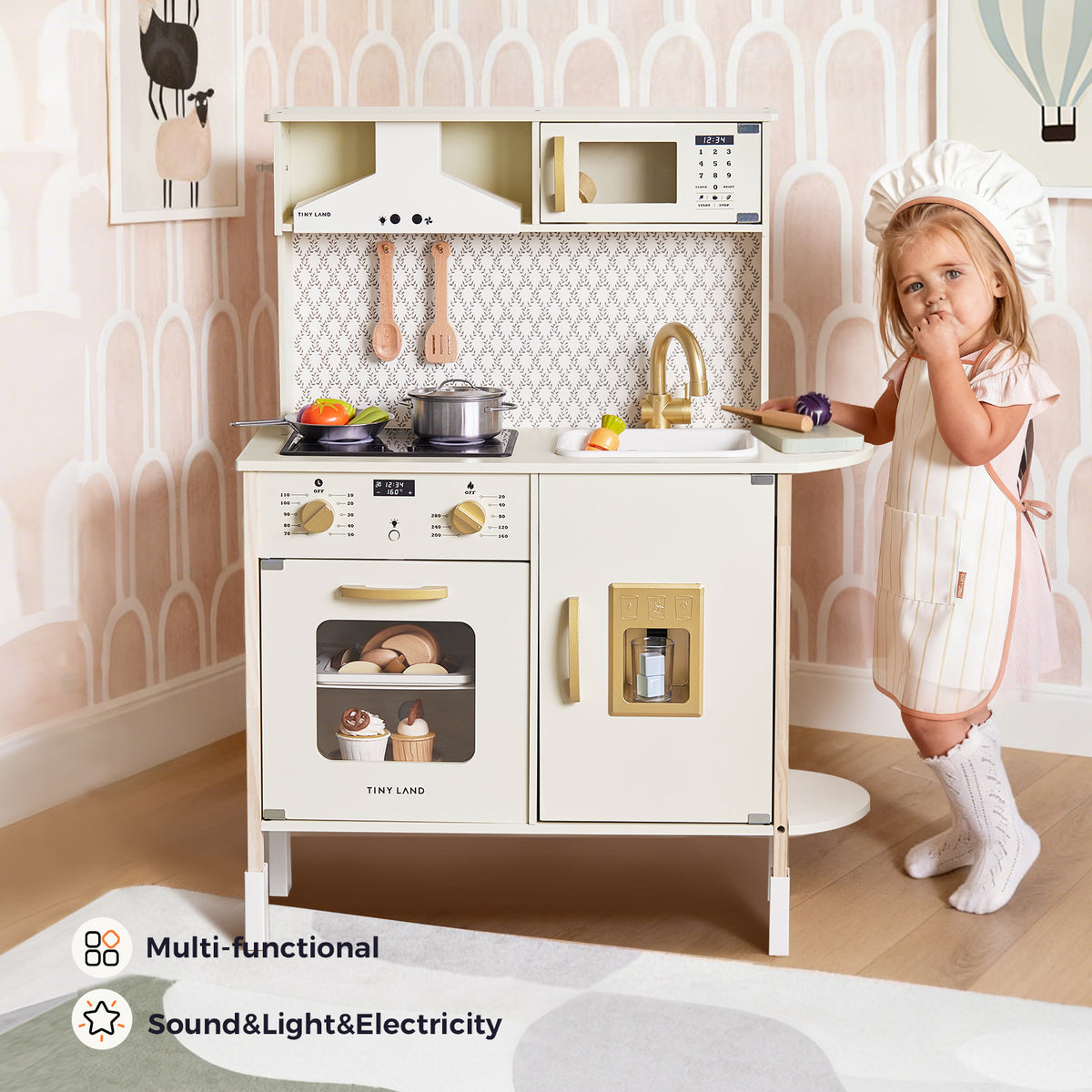
Pretend cooking is already a familiar and engaging type of play for her students.
When discussing the type of play kitchen she was looking for, Brandi specifically mentioned how much her students enjoy pretending to cook and heat up meals:
“They spend so much time pretending to cook and heat up meals, so I know it will be a huge hit in our classroom!”
The observations offer a clear look at the role pretend kitchen play already has in her classroom.
Rather than introducing an unfamiliar activity, the children are already choosing to engage with familiar cooking routines through dramatic play.
That existing interest is what made a built-in microwave an especially important feature for Brandi when choosing a play kitchen.

Why the Built-In Microwave Matters
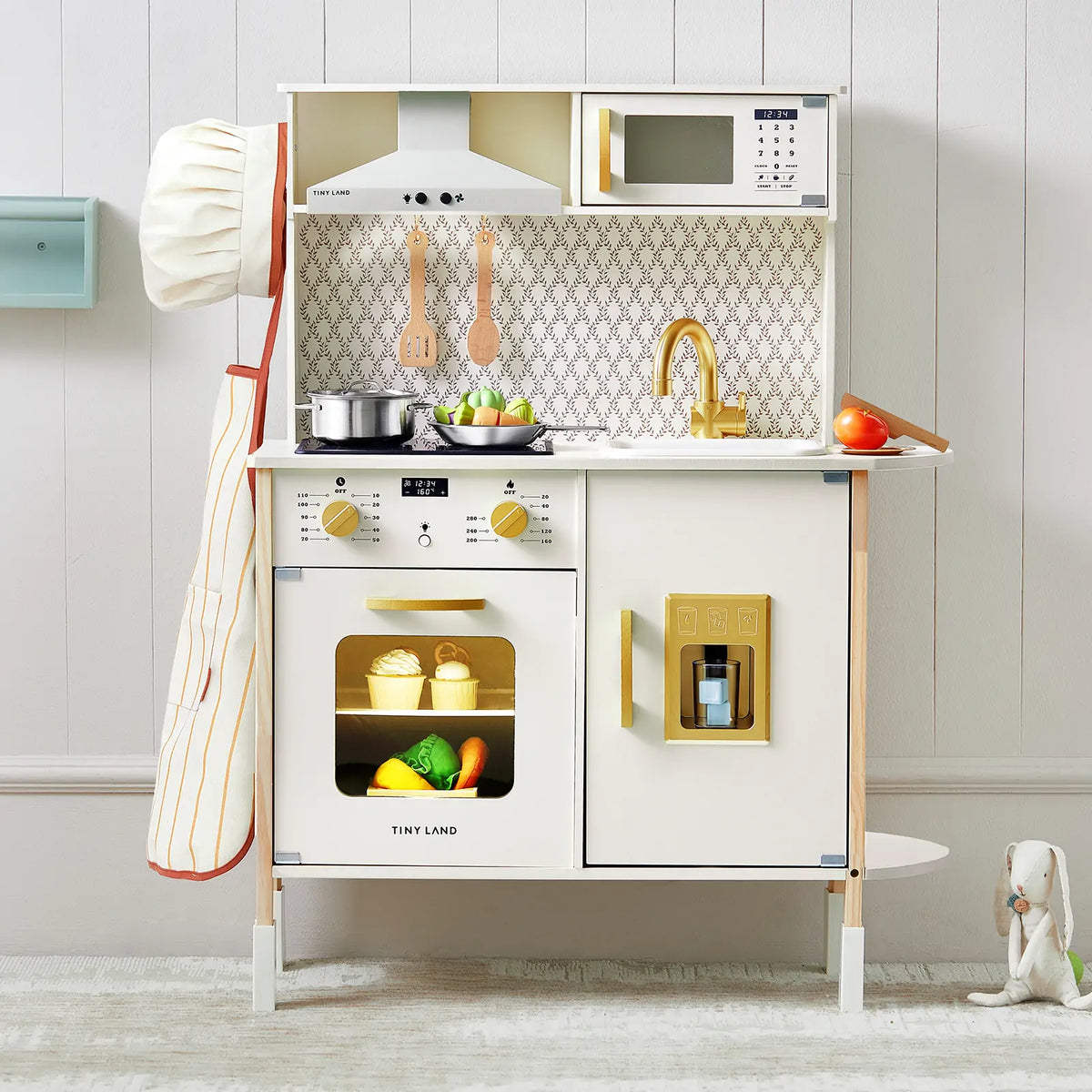
Brandi was specifically hoping to find a play kitchen with a built-in microwave because of her students’ existing interest in pretend cooking.
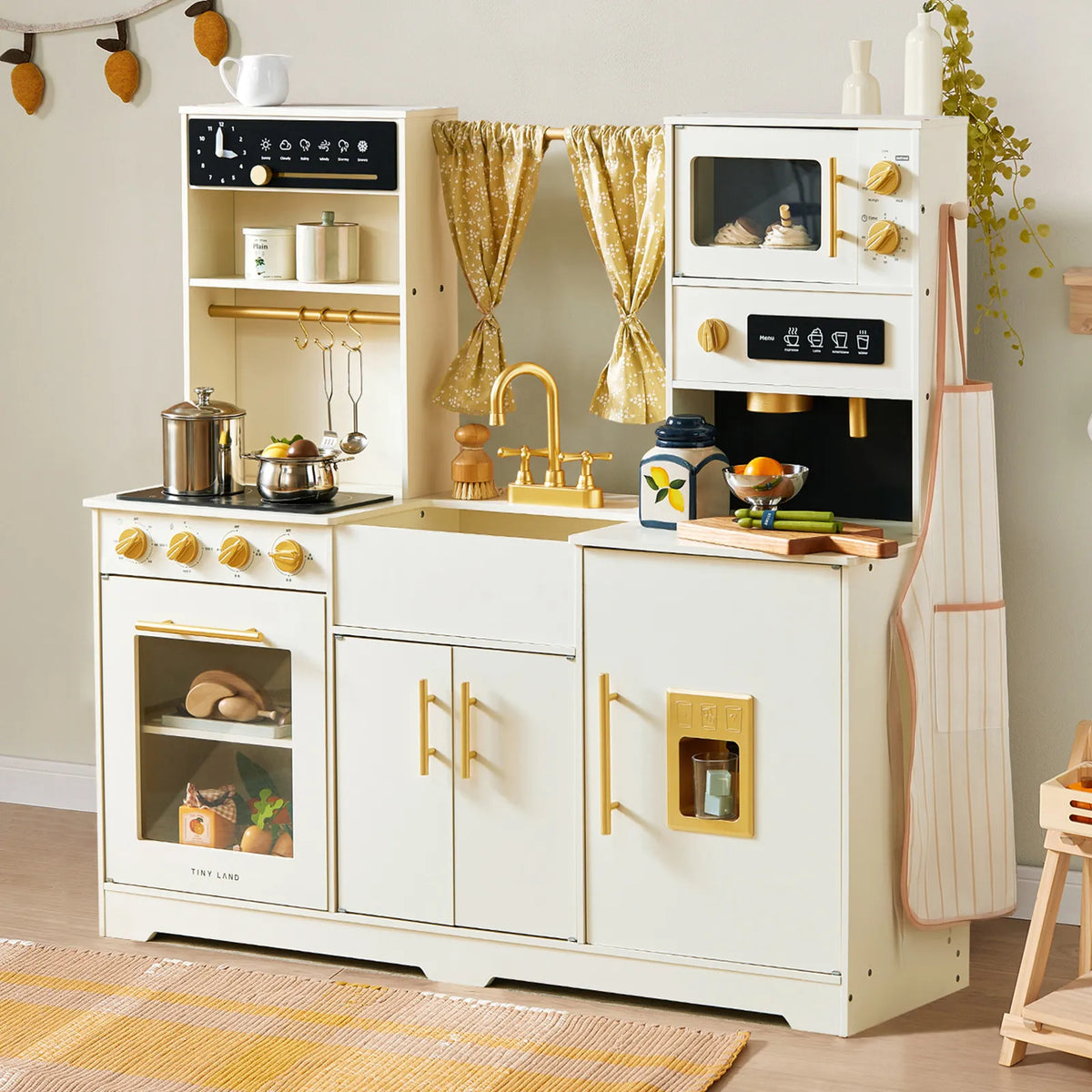
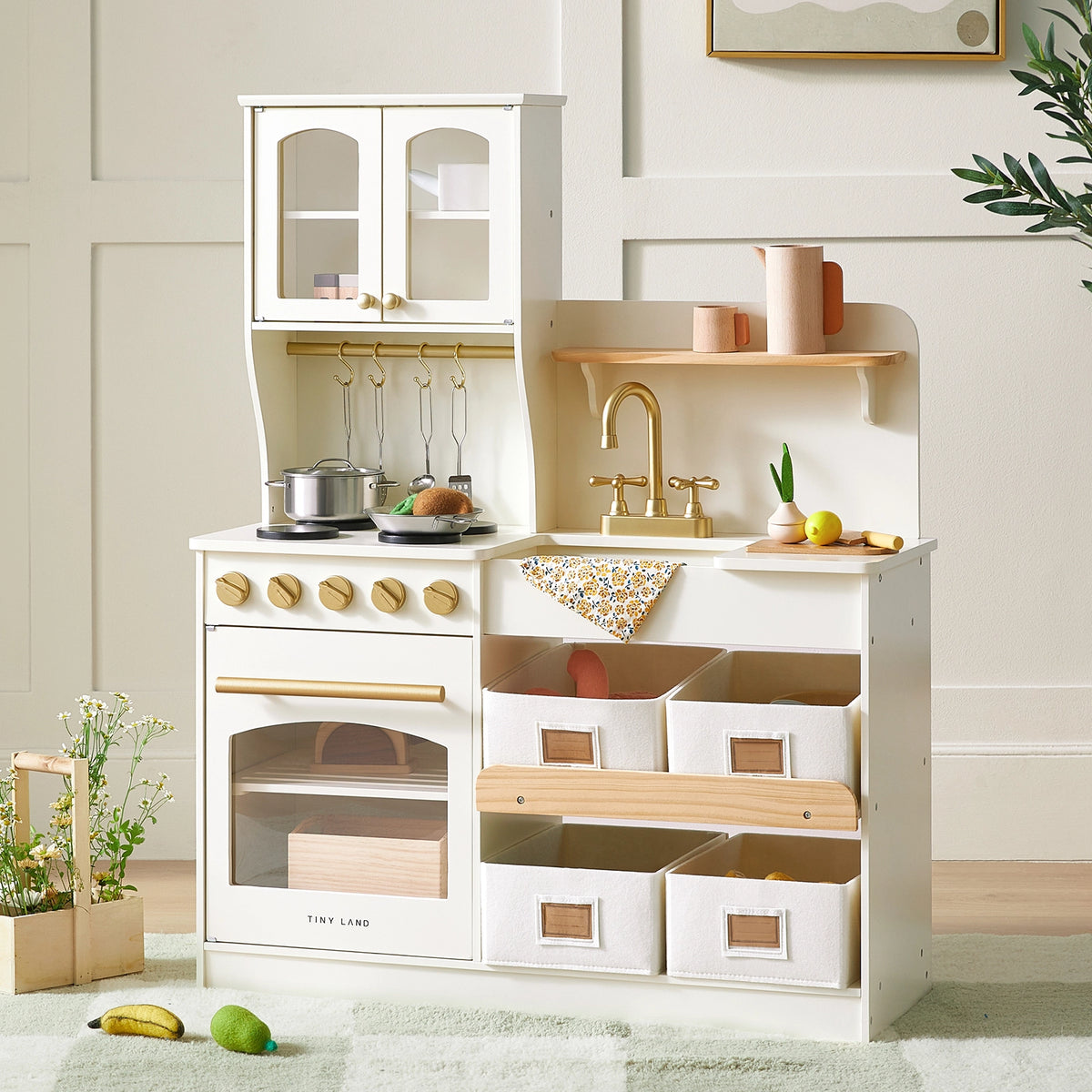
When she saw the PopJoy Play Kitchen, the built-in microwave immediately stood out:
“The PopJoy Play Kitchen looks wonderful, and I think my students would absolutely love the built-in microwave.”
Her interest in this feature was directly connected to what she already sees in her classroom:
“They love putting pretend food in the microwave during dramatic play, so it gets used constantly.”
For Brandi, the microwave is therefore more than an additional play kitchen feature. It connects directly with a type of pretend play that her students already enjoy.

What This Shows About Play-Based Learning
Brandi’s perspective highlights how children’s existing interests can become meaningful starting points for classroom play.
In her classroom, pretend cooking is already part of the children’s dramatic play. They enjoy pretending to cook, heating up meals, and using a microwave as part of their play.
These experiences take place within a classroom that focuses on communication, social-emotional development, academic readiness, play skills, and independence.
Her own description of meaningful, hands-on play brings this perspective into focus:
“I believe meaningful, hands-on play is one of the most powerful ways to help my students develop these essential life skills.”
For Brandi, hands-on play is an important part of the classroom environment she is creating for her students.
Creating Space for Meaningful Play
Every child learns and develops at their own pace.
Creating a welcoming and inclusive classroom means giving children opportunities to learn through meaningful experiences while supporting the areas they are working on in the classroom.
Within that environment, meaningful, hands-on play has an important place.
The PopJoy Play Kitchen brings one of her students’ favorite pretend-play routines—the experience of cooking and heating meals—into a dedicated play environment, with a built-in microwave that particularly caught her attention.
Her perspective offers a firsthand look at why meaningful, hands-on pretend play matters in her Pre-K ESE classroom—and why choosing play materials that connect with children’s existing interests can be meaningful for the classroom environment.