



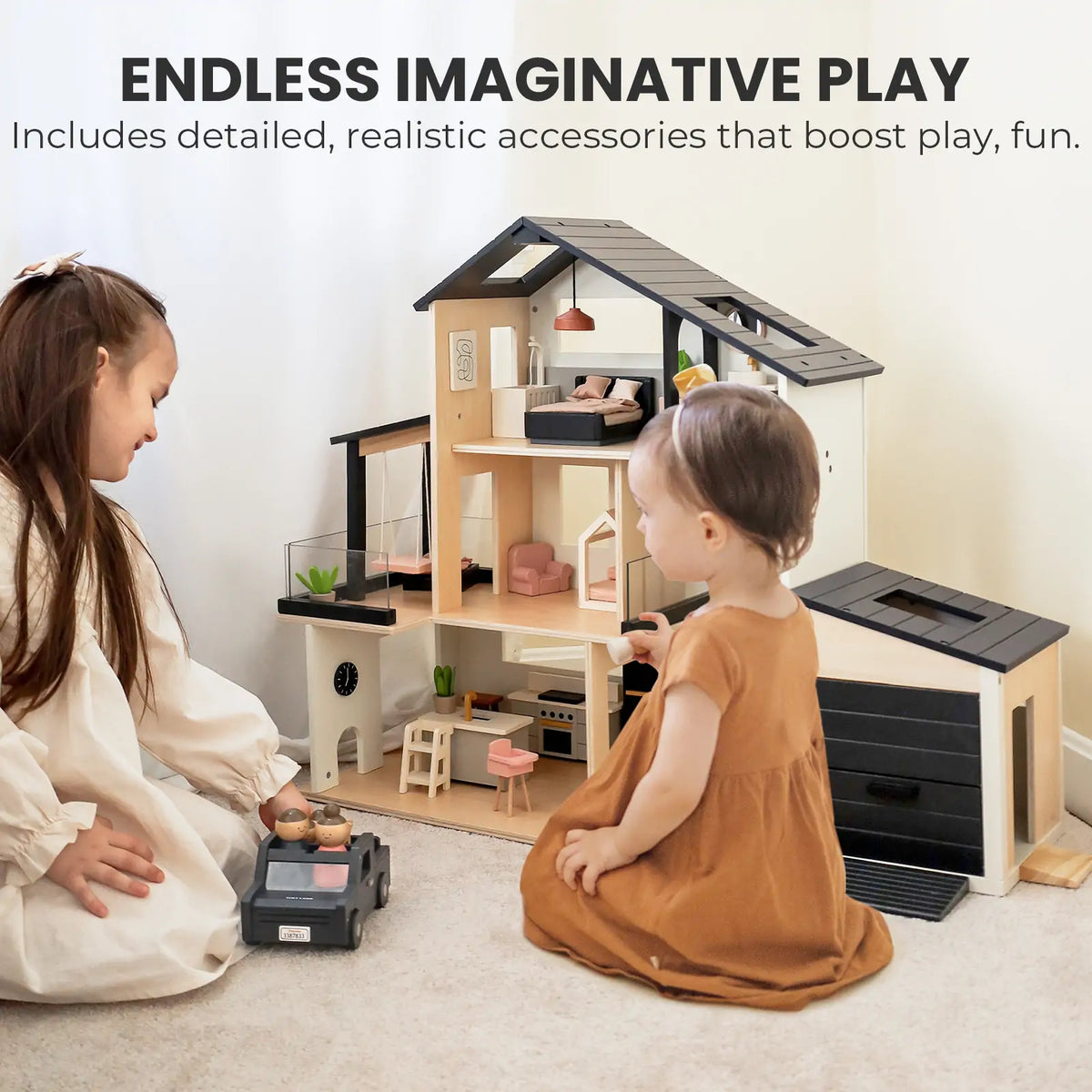
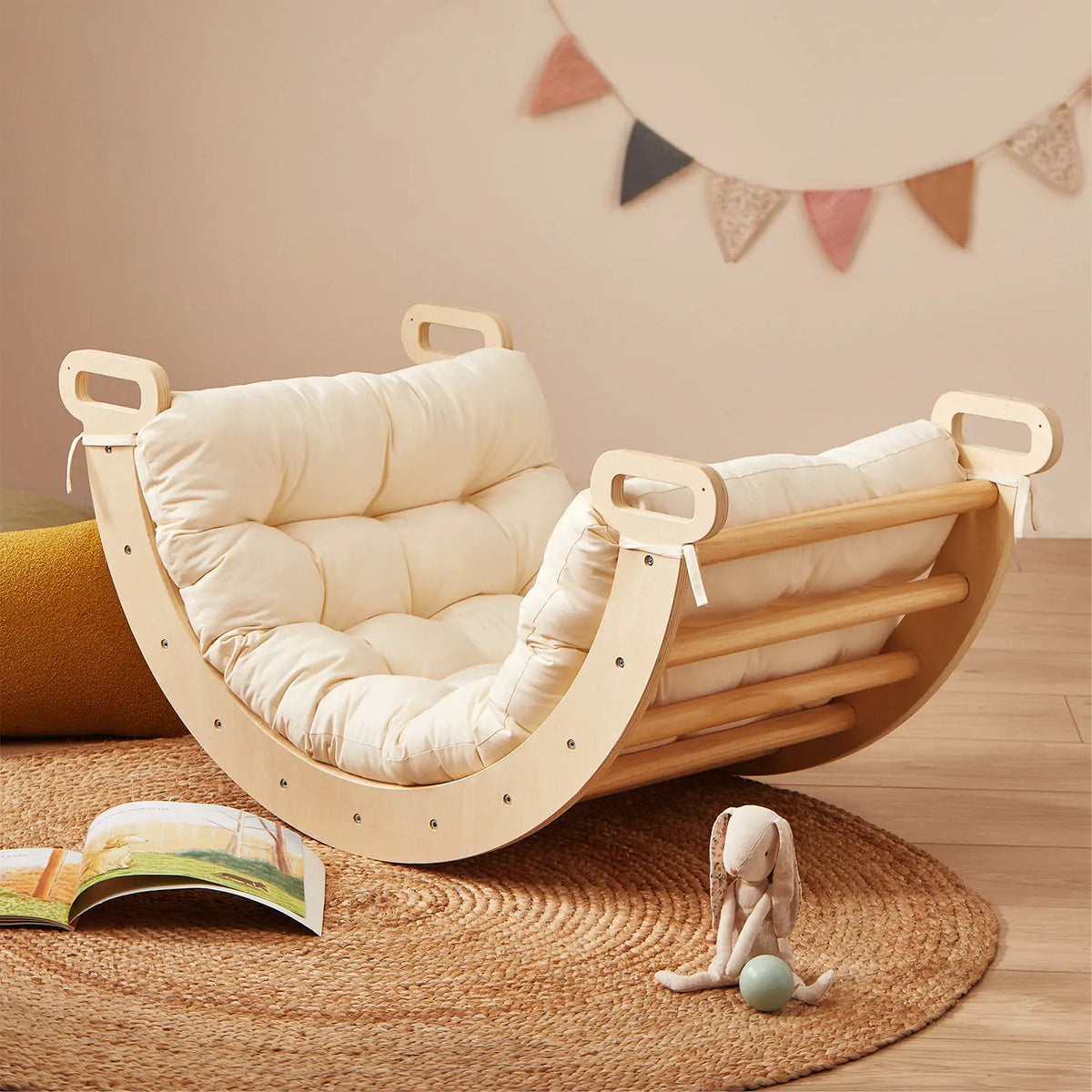
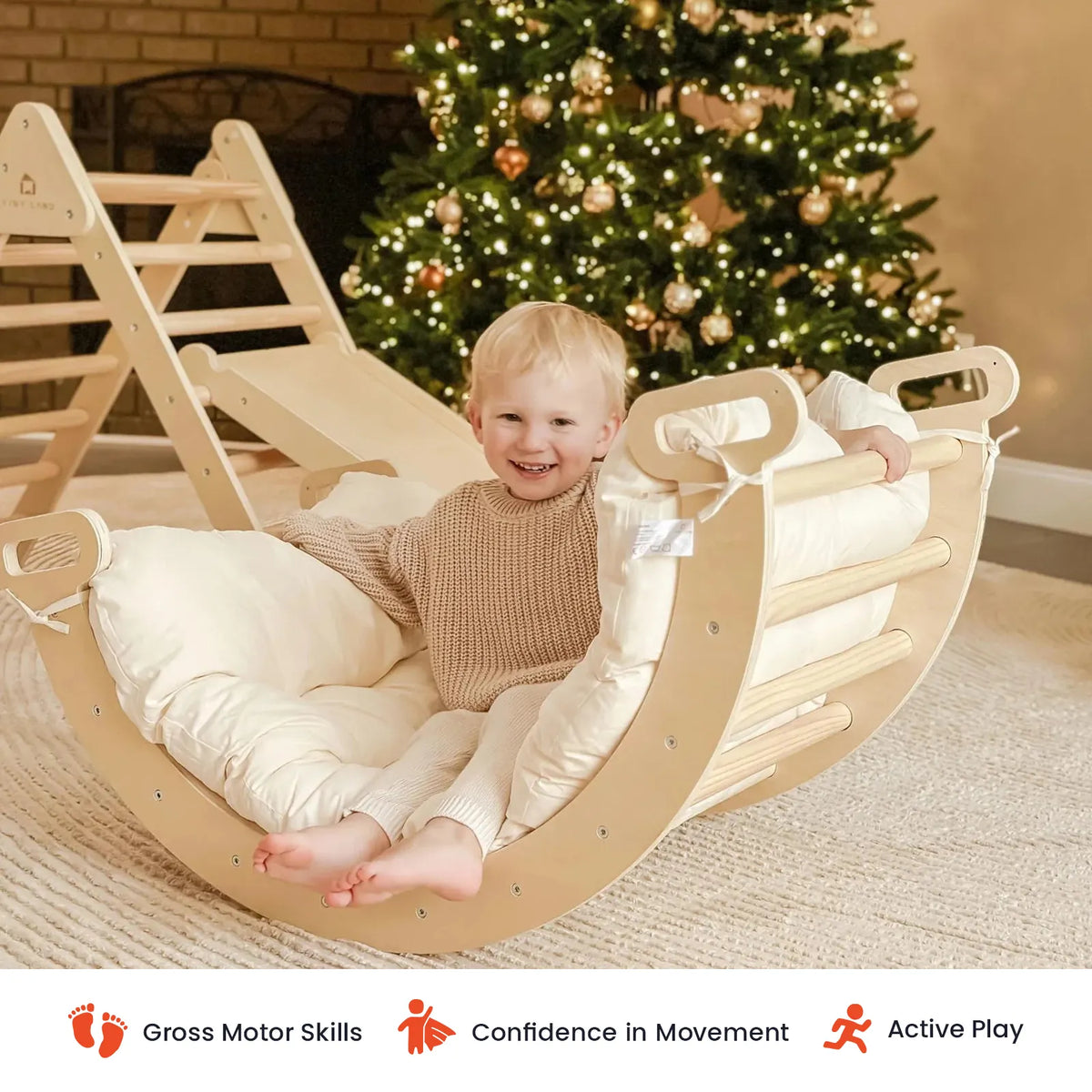
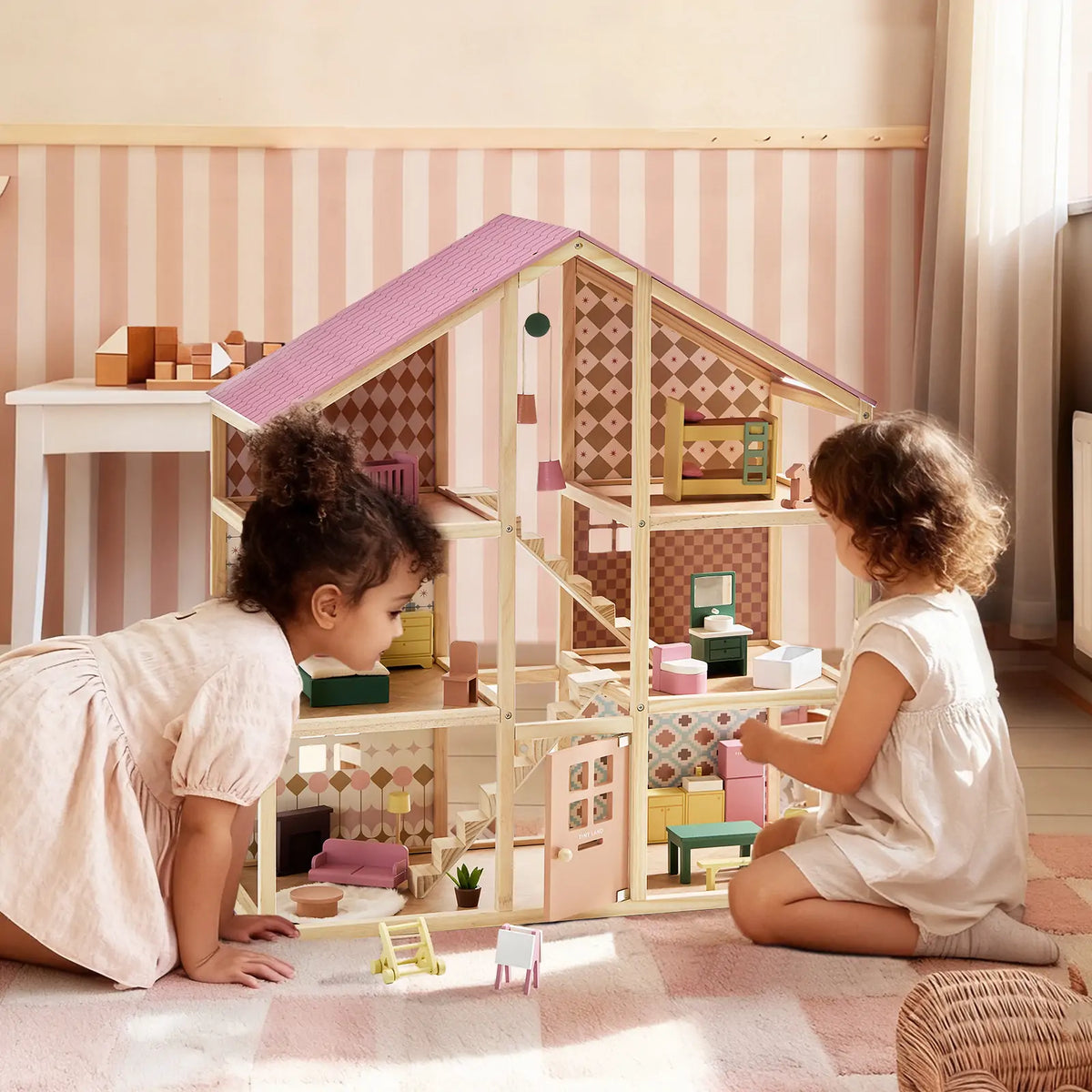



Does your toddler do the same thing over and over?
Toddlers often repeat play because repetition gives them opportunities to practise skills, explore cause and effect, and investigate movement, space, and how objects work.
Maybe your child carries toys across the room, lines up trains, spins a wheel repeatedly, fills and empties a container, or crawls through a tunnel again and again.
To adults, it can look like the same activity on repeat. For toddlers, the repeated action may be exactly what makes the play interesting.
Early childhood educators sometimes use the term play schemas to describe recurring patterns of action children explore through play.
Commonly discussed examples include transporting, positioning, enclosing, trajectory, rotation, connecting, orientation, and transforming. Different educational approaches may use different terms or group these patterns differently.
You don't need to identify the “right” schema for your child.
Instead, start by asking:
What action keeps attracting their attention, and what might they be discovering by doing it again?
 What Is Repetitive Play?
Repetitive play is when a child returns to the same action, movement, or sequence multiple times.
You might notice your toddler:
- Carrying toys from one place to another
- Lining up objects
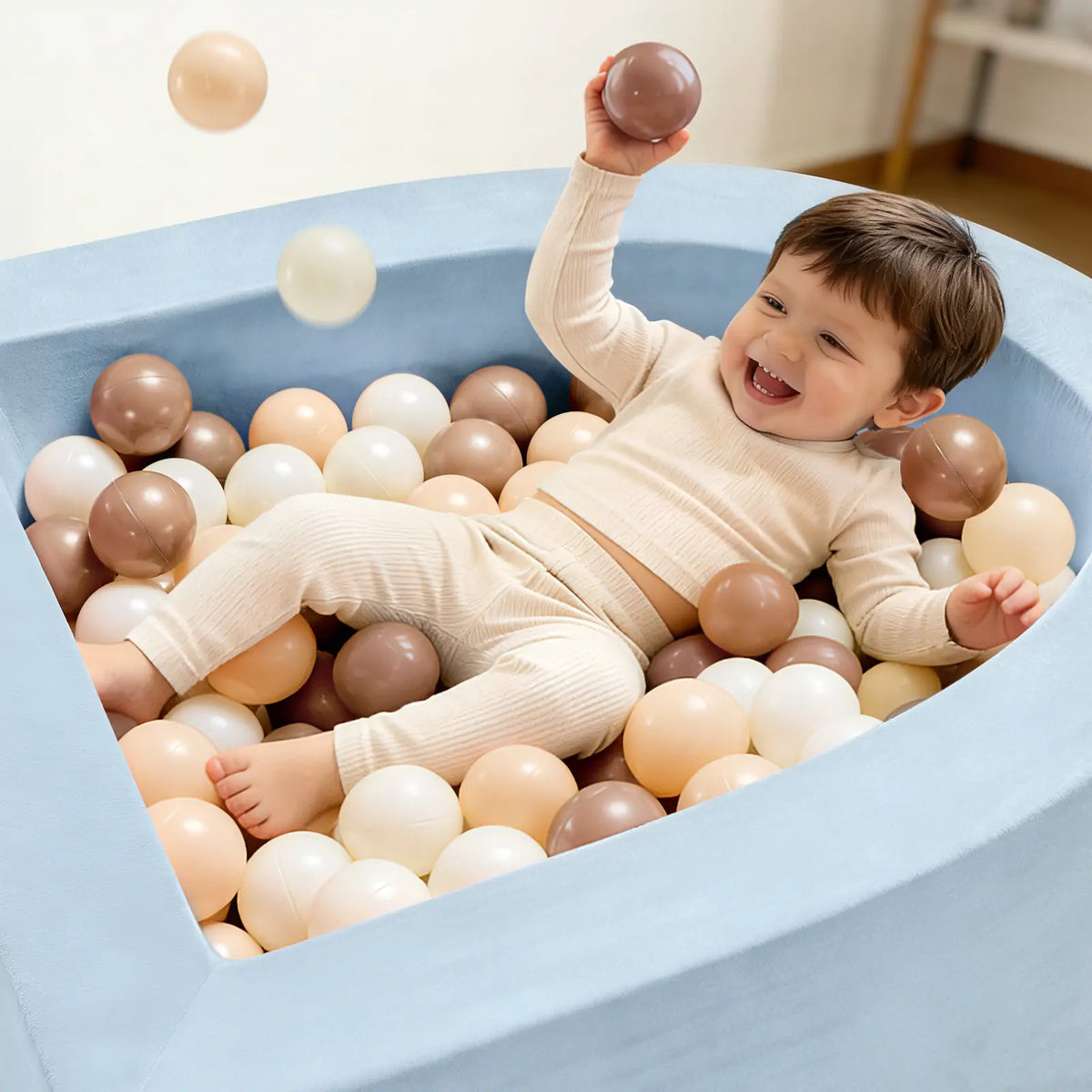
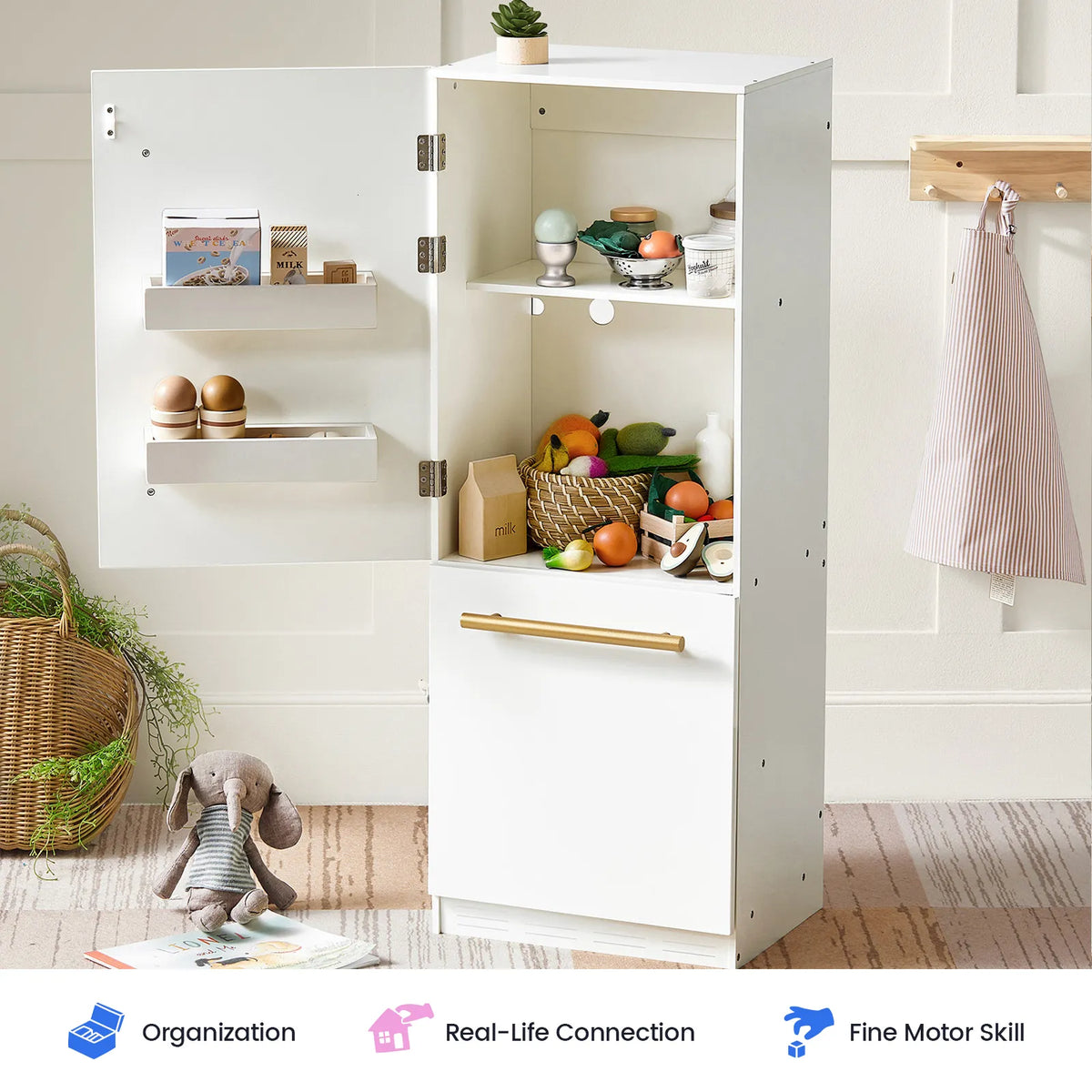
- Filling and emptying containers
- Building and rebuilding
- Spinning wheels
- Rolling objects
- Connecting and separating pieces
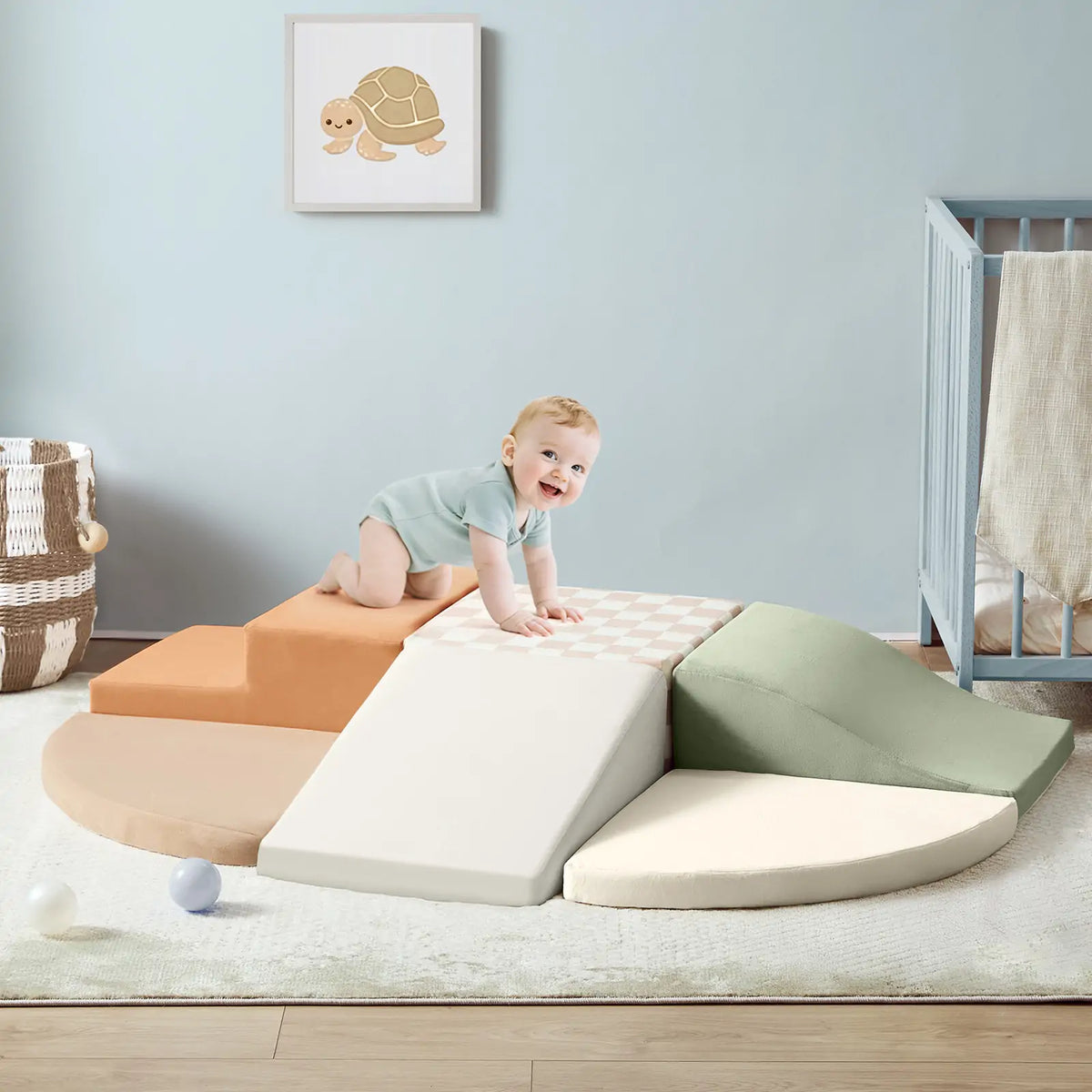
- Crawling through the same space
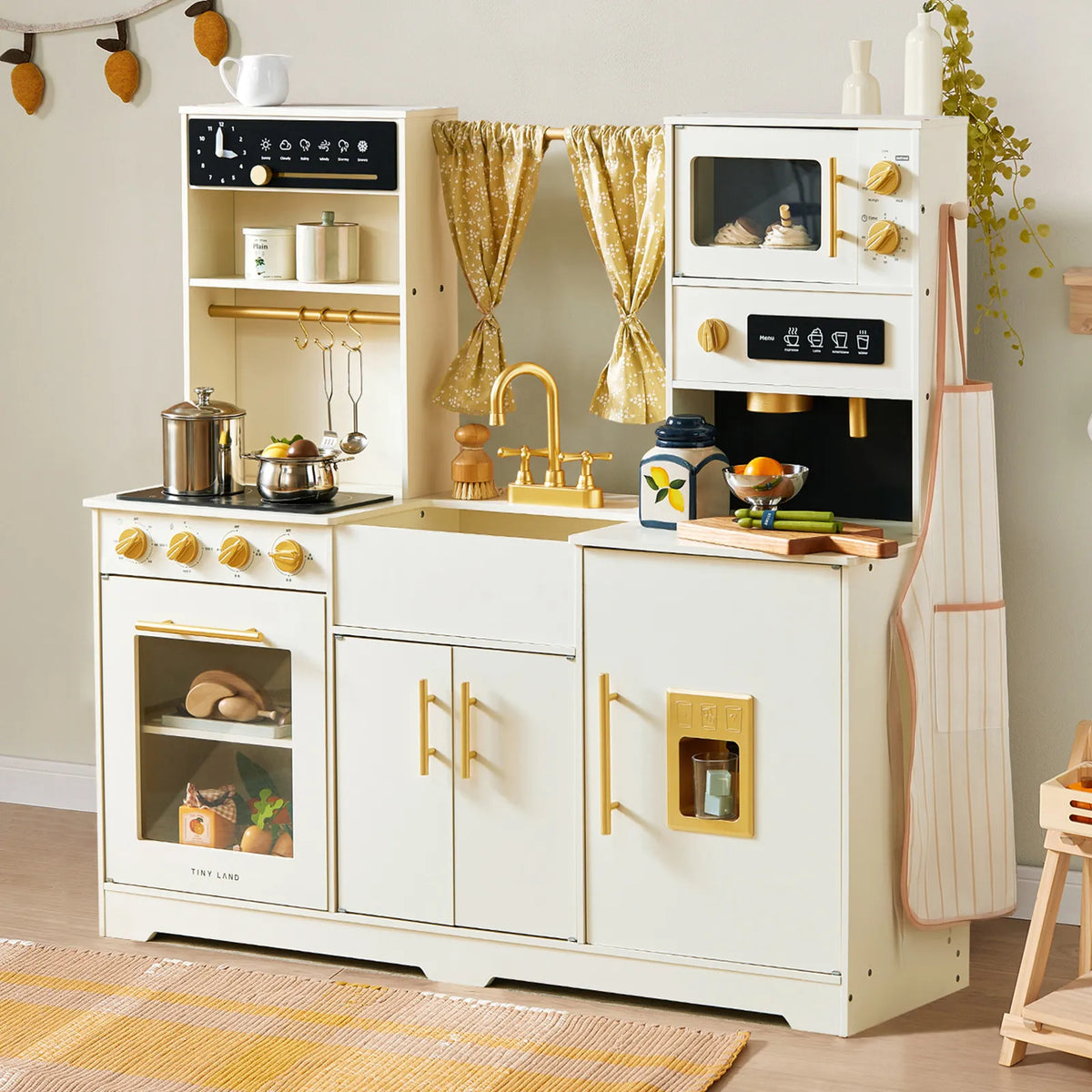
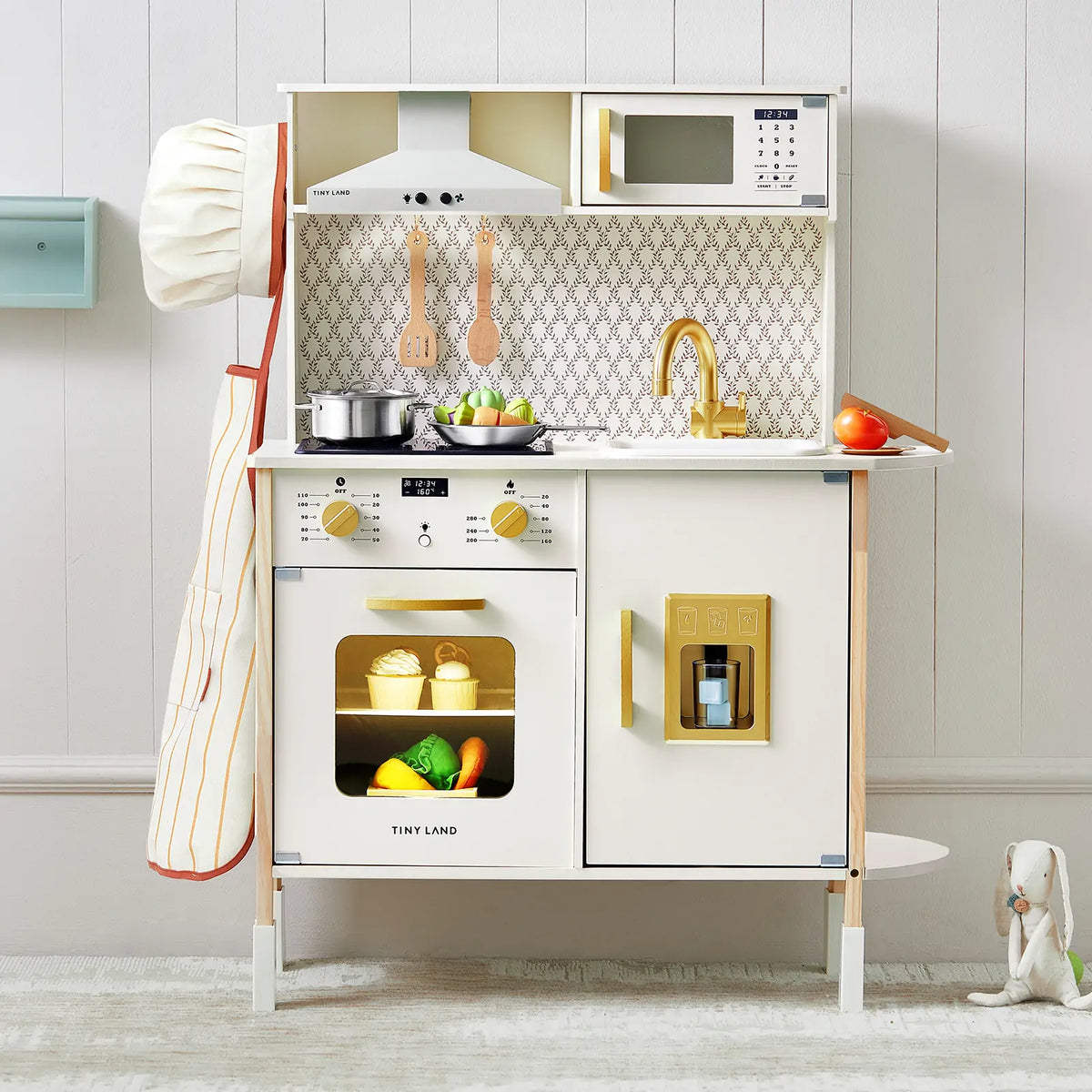
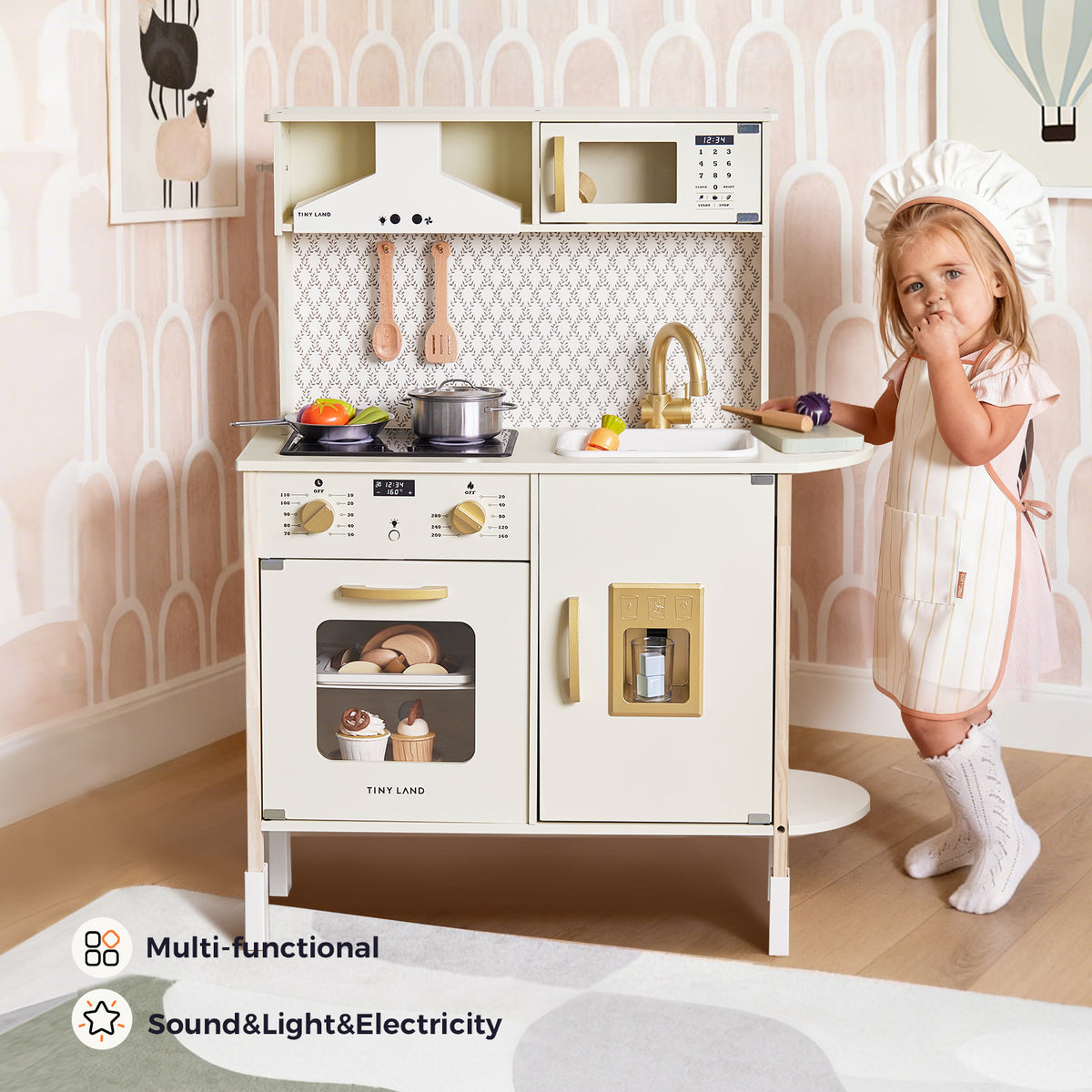
- Repeating the same pretend-play sequence
The toy may change while the action stays interesting.
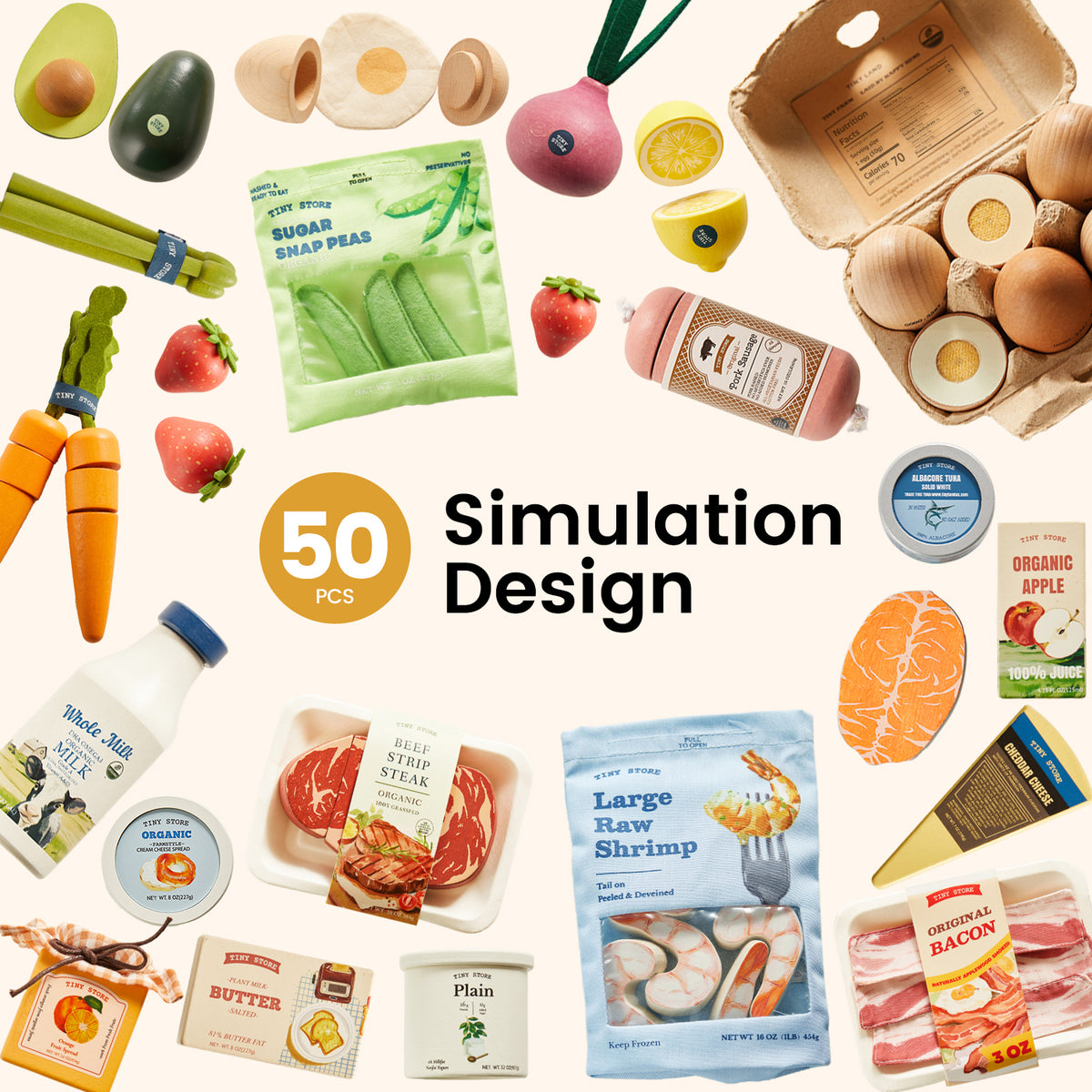
A toddler interested in transporting, for example, might carry blocks in the morning, stuffed animals later, and pretend food in the afternoon.
The important part may not be what they're carrying. It may be the experience of moving something from one place to another.

What Are Play Schemas?
A play schema is a recurring pattern of action that children may explore through play.
Commonly discussed play schemas include:
- Transporting: moving objects from one place to another
- Positioning: arranging or placing objects
- Enclosing: creating boundaries or putting things inside spaces
- Trajectory: exploring how objects or bodies move through space
- Rotation: spinning or turning
- Connecting: joining objects or pieces
- Orientation: exploring position, direction, or different viewpoints
- Transforming: changing materials, objects, or how they are used
These categories are not a universal checklist. Different educational frameworks may describe or organize play schemas differently.
Think of them as a way to observe children's play, rather than labels you need to assign to every behavior.

Look at the Action, Not Just the Toy
One useful way to understand repetitive play is to focus on what your toddler is doing, rather than only on which toy they chose.
For example:
| What your child does | What they may be exploring |
|---|---|
| Carries pretend food around | Transporting |
| Lines up toy trains | Positioning |
| Spins train wheels | Rotation |
| Connects train tracks | Connecting |
| Puts toys inside a box | Enclosing |
| Rolls a ball repeatedly | Trajectory |
| Crawls through a tunnel | Movement and space |
| Builds and rearranges blocks | Positioning, connecting, and construction |
These observations don't mean a child is consciously “doing a schema.”
They simply give you clues about the actions that currently interest them.

Common Play Schemas and How to Support Them
Transporting
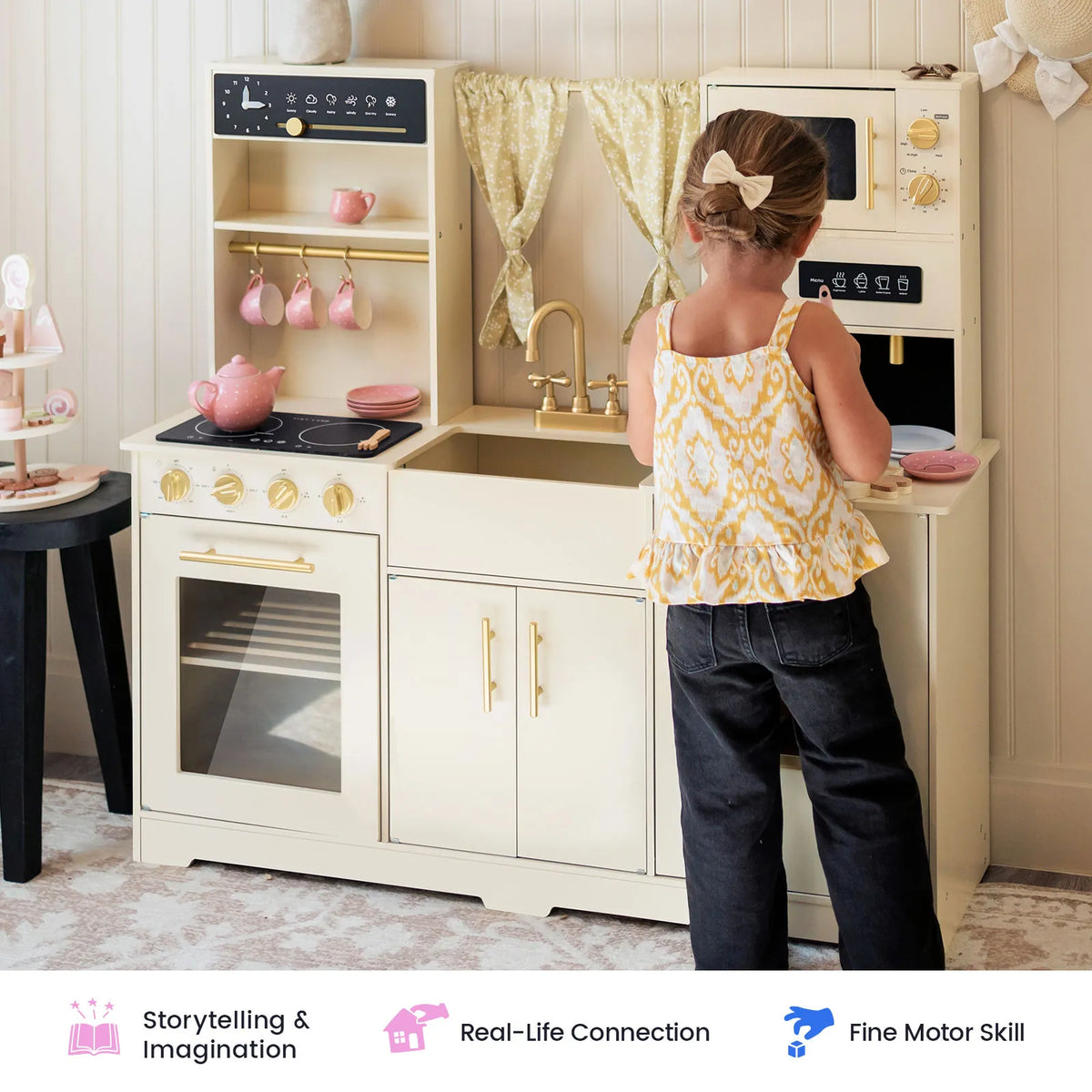
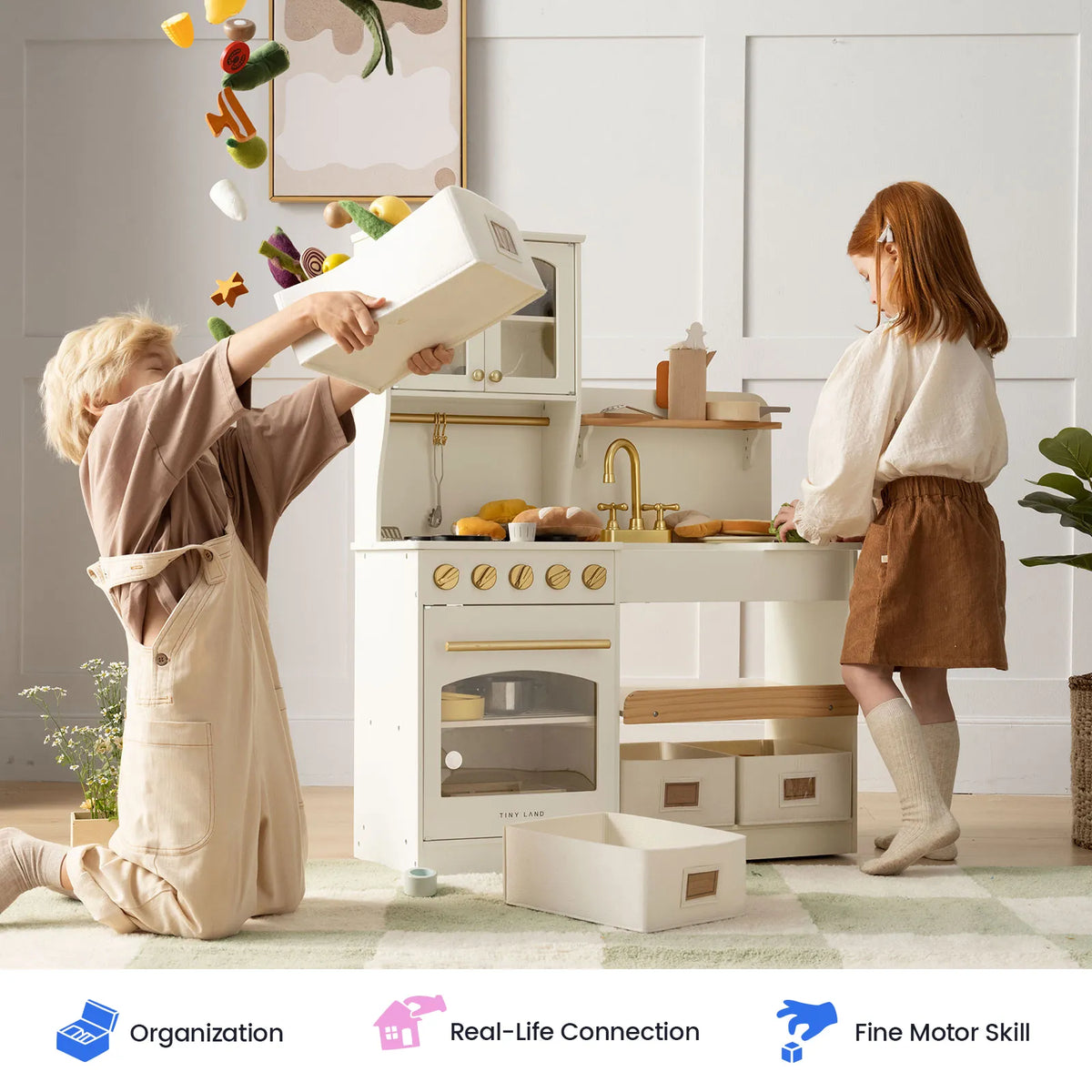
Your toddler may carry toys, fill a basket, load and unload objects, or move pretend food from one location to another.
Try: Give your child a basket or container and let them decide what to carry and where to take it.
If they want to carry the same objects back and forth twenty times, that's okay.
The repeated carrying may be the main point of the play.
Positioning
You might see your toddler line up trains, arrange blocks, group toys, or repeatedly rearrange objects.
Try: Offer a few familiar toys and let your child decide where everything belongs.
There doesn't need to be a correct arrangement. The repeated process of placing, moving, and rearranging can be the interesting part.
Enclosing
Your toddler may put toys into boxes, build boundaries around objects, or repeatedly move into enclosed spaces.
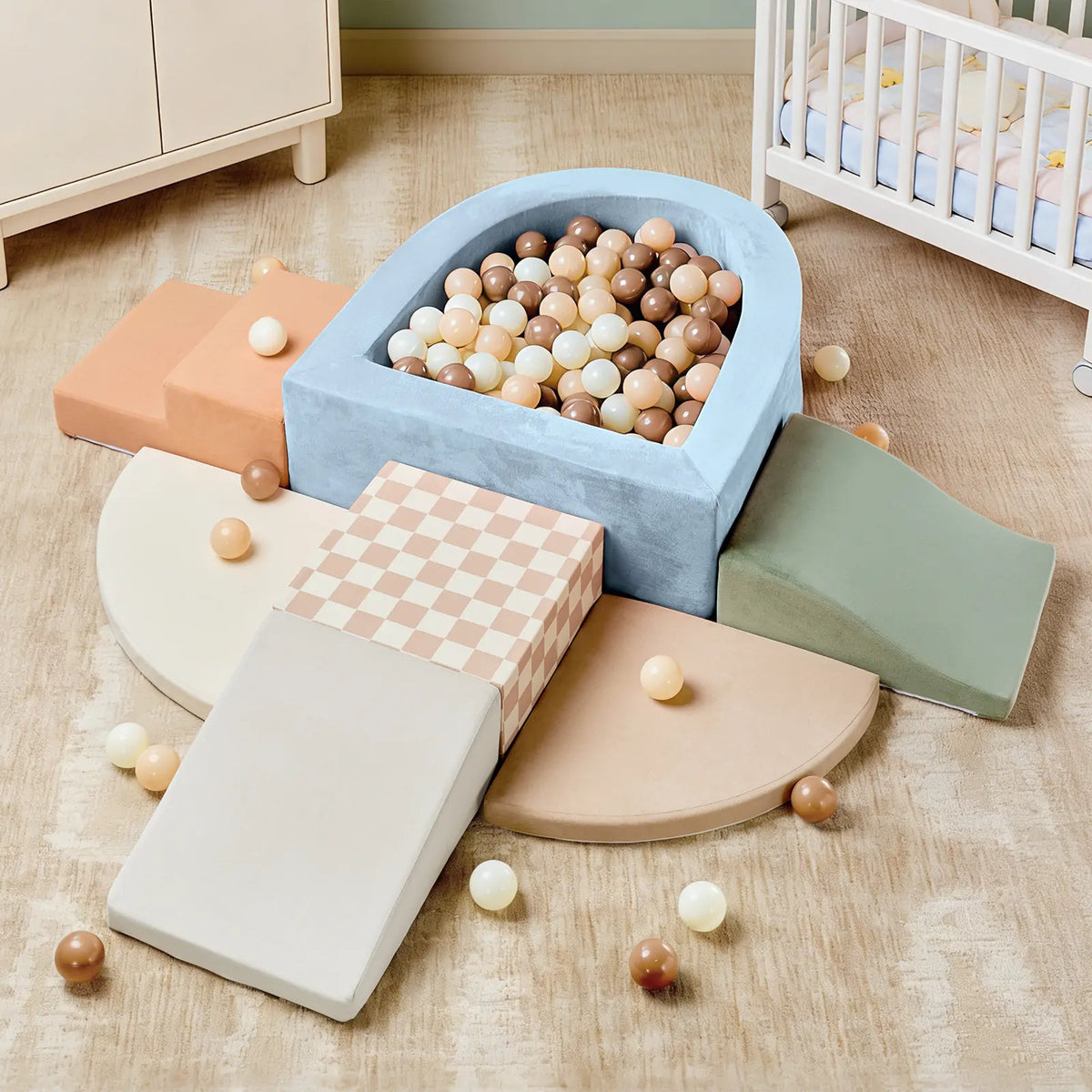
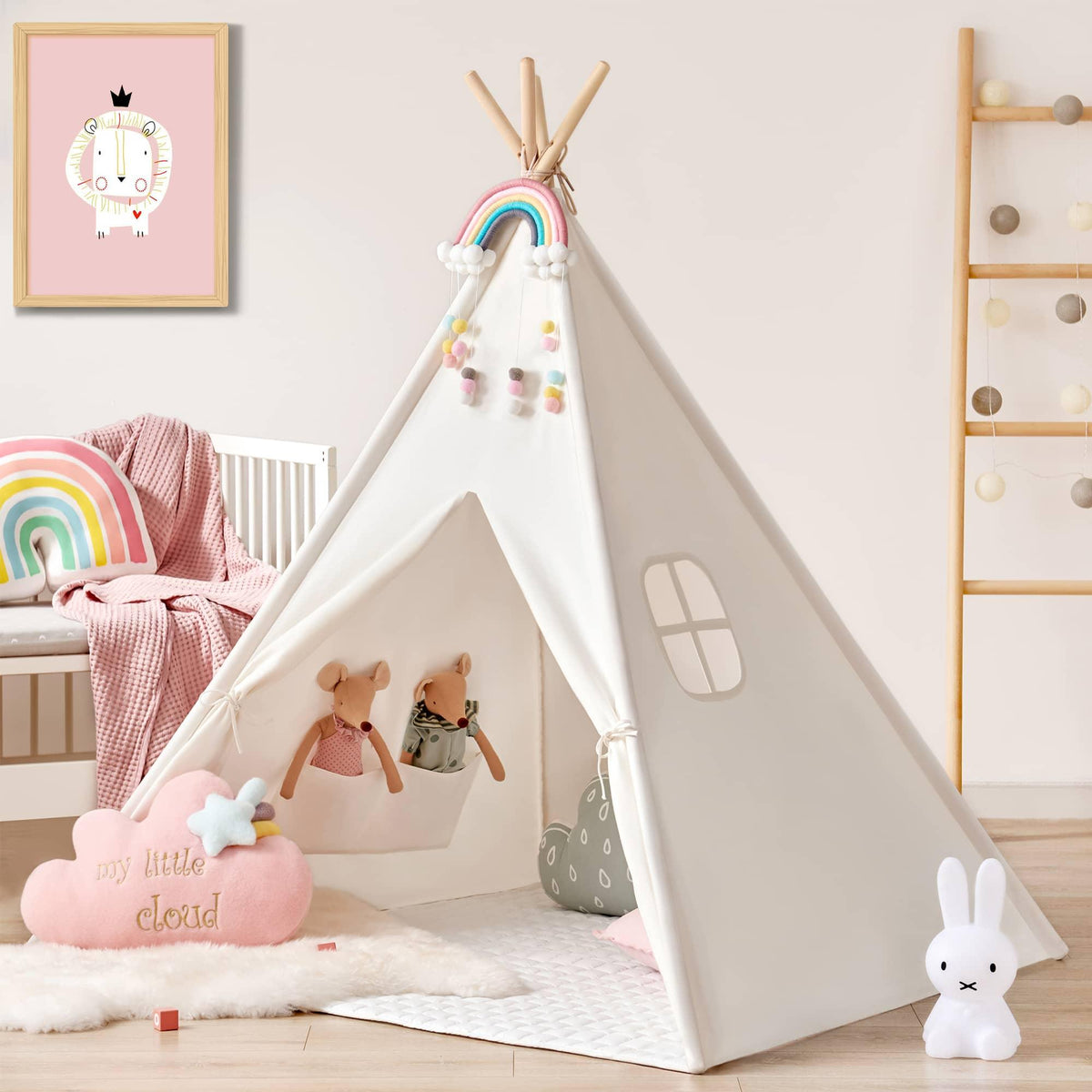
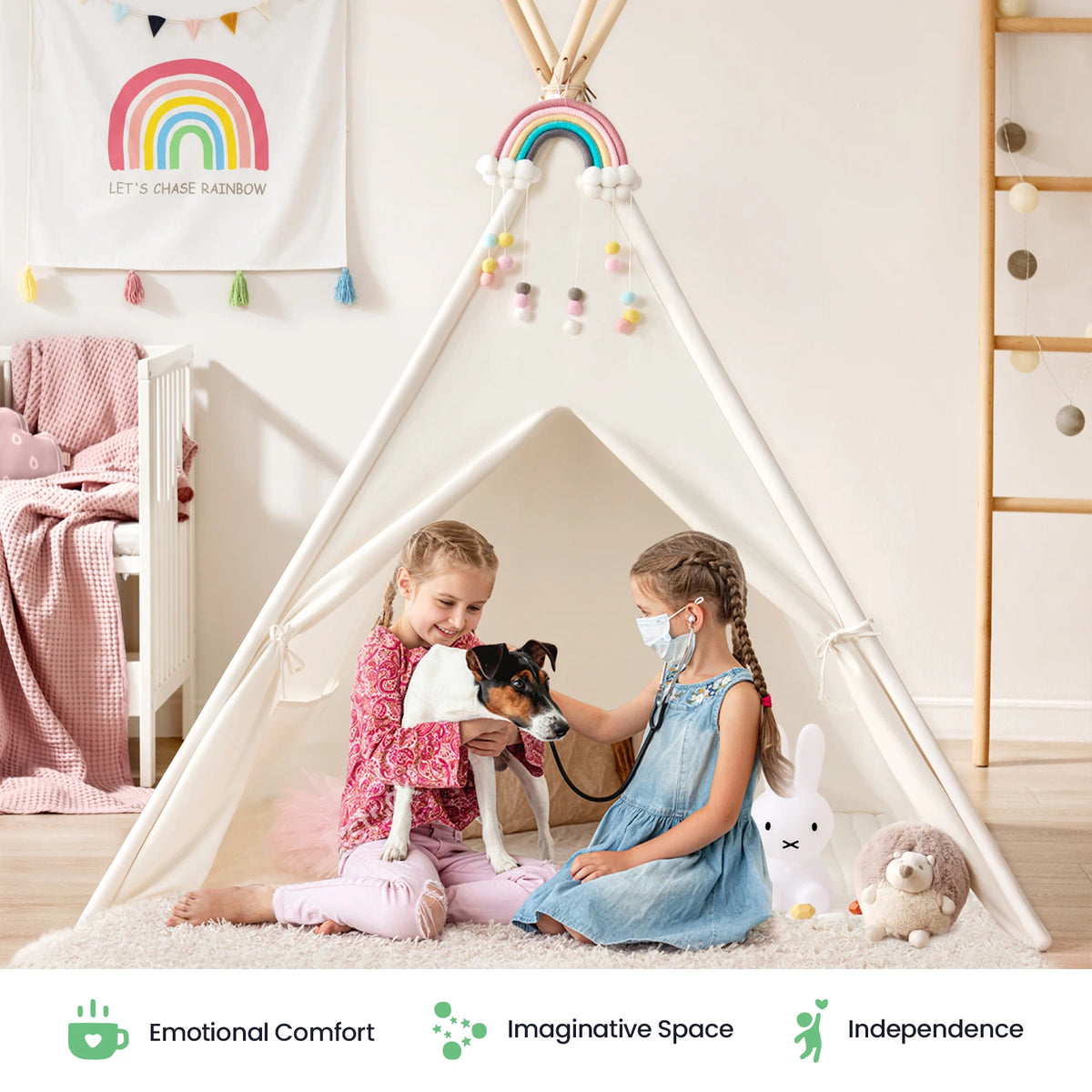
Try: Provide safe materials such as blocks, cushions, a play tent, or a play tunnel.
The space might become a house, cave, shop, or hiding place depending on your child's imagination.

Trajectory
Trajectory involves exploring how objects or bodies move through space.
Your toddler might repeatedly throw, drop, roll, push, jump, or watch objects move.
Try: Offer safe objects that can roll or move and let your child experiment with fast and slow, near and far, or moving and stopping.
You can ask: “What happens if you push it slowly?”
Then let them try again.
Rotation
A toddler exploring rotation might spin wheels, turn objects, roll toys, or watch something rotate repeatedly.
A train set can naturally support this interest because children can see the wheels rotate as the train moves.
Try: Let your child experiment with moving a wheeled toy fast, slowly, or stopping it completely.
Connecting
Your toddler may connect blocks, join train tracks, build structures, take them apart, and rebuild them.
Try: Offer materials that can be connected and separated.
Your child might build a long track, tower, bridge, or other structure. Taking it apart and rebuilding it is still part of the exploration.
Exploring Space and Movement
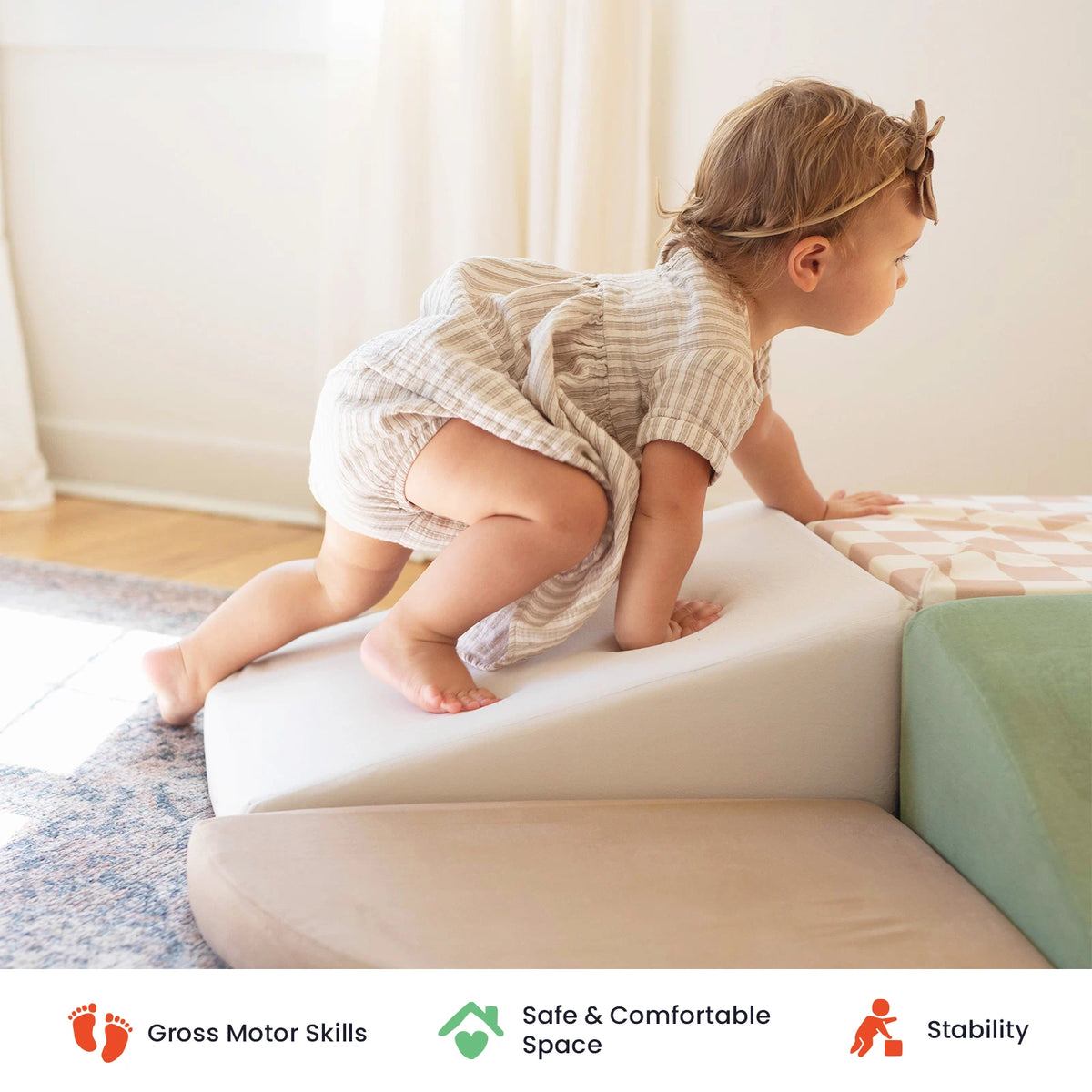
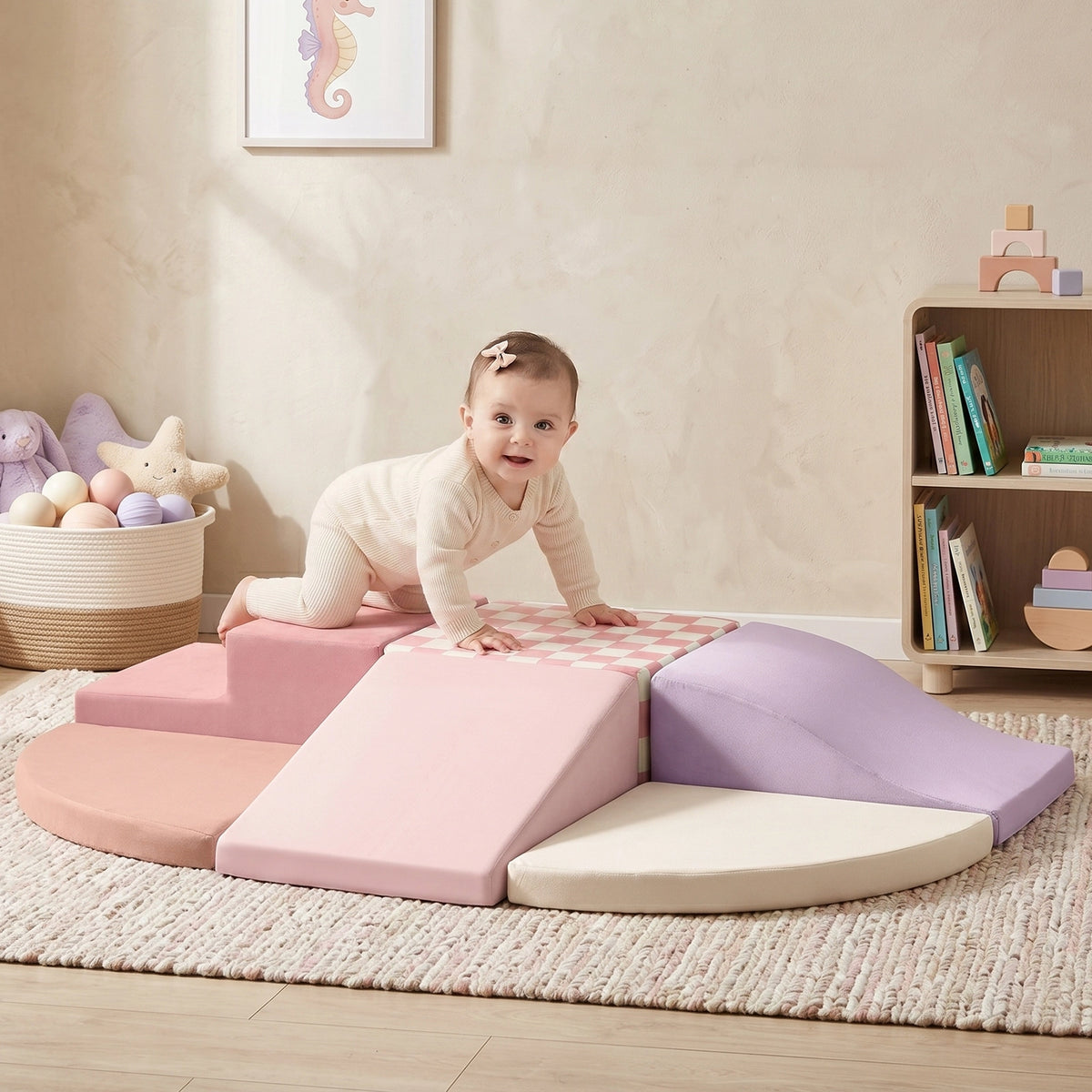
Some toddlers repeatedly crawl under, over, around, or through spaces.
A play tunnel can provide an opportunity to explore crawling, movement, and space.
Your child might:
- Crawl through it
- Turn around and crawl back
- Move toys through it
- Hide inside
- Pretend it's a cave or passage
You don't need to give the tunnel a particular purpose.
If your child wants to crawl through it again and again, the repetition itself can be the play.

Can Toddlers Explore More Than One Schema at Once?
Yes.
A single play experience can involve several patterns of action.
For example, while playing with a train, your toddler might:
- Position the tracks
- Connect the pieces
- Watch the wheels rotate
- Transport objects
- Move the train between different locations
Similarly, while playing with blocks, they might arrange pieces, connect them, create boundaries, and rebuild the structure.
That's why you don't need to find one perfect label.
Observe the repeated action instead of trying to categorize everything.

How Can Parents Support Repetitive Play?
You don't need to turn repetitive play into a structured lesson.
Try three simple steps:
Observe
Notice what your child repeatedly does.
Are they carrying, arranging, spinning, connecting, enclosing, or moving through spaces?
Follow
Offer materials that support the interest they're already showing.
If they're carrying objects, try a basket.
If they're connecting pieces, try blocks or train tracks.
If they're repeatedly crawling through spaces, provide a safe play tunnel.
Extend
Add one small possibility without taking over.
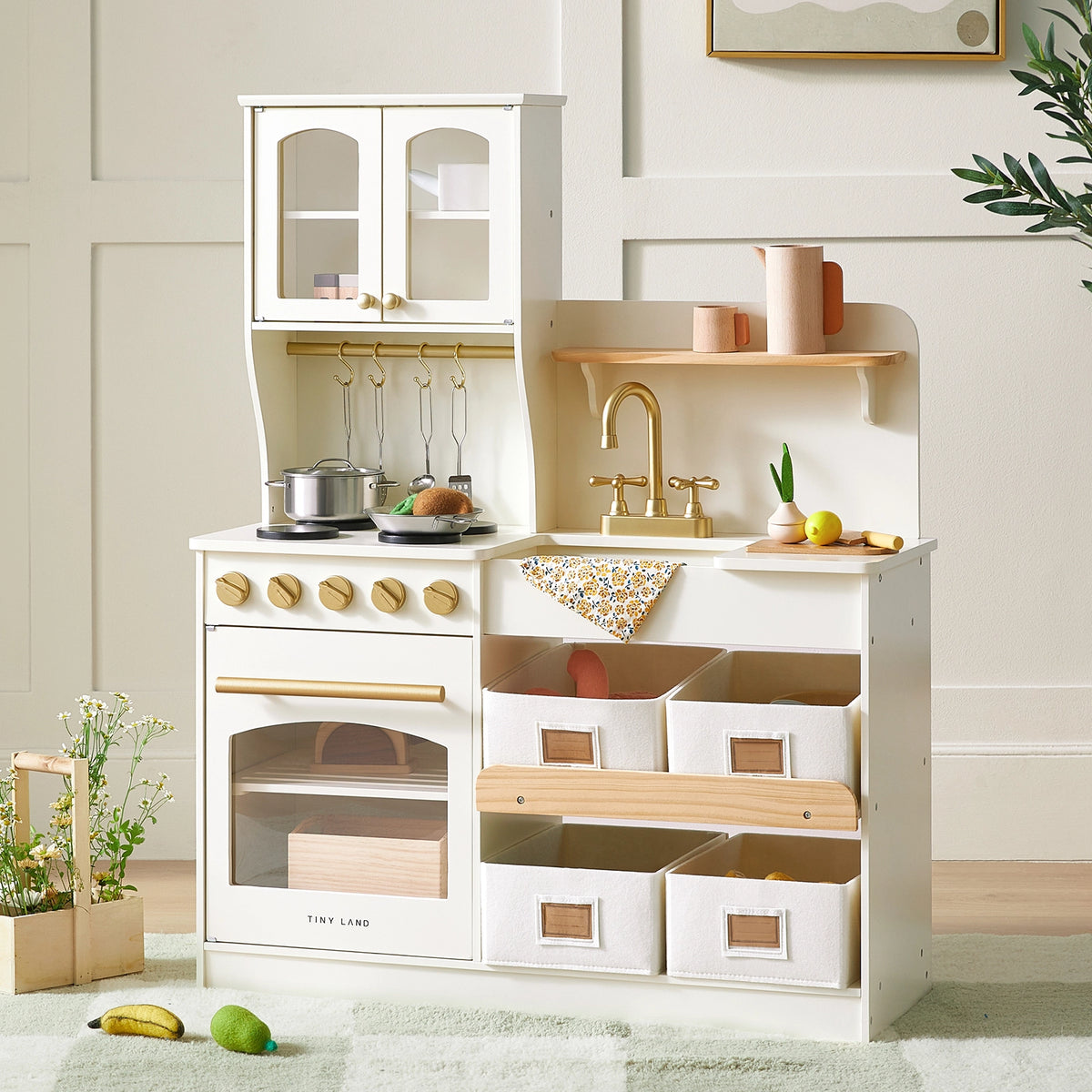
A child carrying pretend food might decide to deliver it.
A child connecting blocks might build a longer structure.
A child crawling through a tunnel might decide it's a cave.
Follow the child's idea first.

When Repetition Becomes Pretend Play
Sometimes a repeated action naturally develops into a story.
Your toddler might start by carrying pretend food.
Then they decide they're delivering it.
They create a destination.
They pretend to serve it.
The original action—transporting—has now become part of pretend play.
The same thing can happen with other repeated actions.
A tunnel might become a cave.
A box might become a house.
Blocks might become a building.
A train might become part of a journey.
The child doesn't need an adult-created script for the story to develop.
The pretend play can grow from the action they were already interested in repeating.

Is Repetitive Play Normal for Toddlers?
Yes. Repetition is common in early childhood play.
Toddlers may repeat actions while practising skills and exploring movement, cause and effect, spatial relationships, and other ideas.
Their interests can also change over time. A child may repeat one type of play for days or weeks and then move on to something else.
Repetitive play by itself does not indicate a developmental problem.
If you have concerns about your child's overall development, communication, behavior, or play, speak with your pediatrician or another qualified child-development professional.
Play schemas are an observation framework, not a diagnostic tool.
 Frequently Asked Questions
Why does my toddler repeat the same play?
Toddlers often repeat actions to practise skills and explore movement, cause and effect, space, and how objects work. Repetition may also reflect a recurring pattern of action sometimes described as a play schema.
Is repetitive play normal for toddlers?
Yes. Repetition is common in early childhood play. Children may repeat actions because they are practising a skill, exploring an idea, or simply enjoying the activity.
What are play schemas in toddlers?
Play schemas are recurring patterns of action that children may explore through play. Common examples include transporting, positioning, enclosing, trajectory, rotation, connecting, orientation, and transforming.
How do I know which play schema my toddler is exploring?
Start by observing what your child repeatedly does. Carrying, arranging, spinning, connecting, enclosing, and moving through spaces can provide clues about what currently interests them.
How can I support repetitive play at home?
Follow your child's existing interest and provide flexible, open-ended materials that allow them to repeat, experiment, and change their play.
You don't need to create a new activity every time they repeat something.

The Next Time Your Toddler Says “Again…”
Instead of thinking: “We've already done this.”
Try asking: “What are they discovering by doing it again?”
That repeated carrying might be exploring transporting.
Those carefully arranged toys might reflect positioning.
Those spinning wheels might be an opportunity to explore rotation.
And that tunnel your toddler crawls through again and again might simply give them another opportunity to explore movement and space.
You don't have to make every repetition into a new activity.
Observe. Follow. Extend.
Give your child time to repeat, experiment, and create.
Because sometimes, “again” is where the learning begins.

