




BLOGS
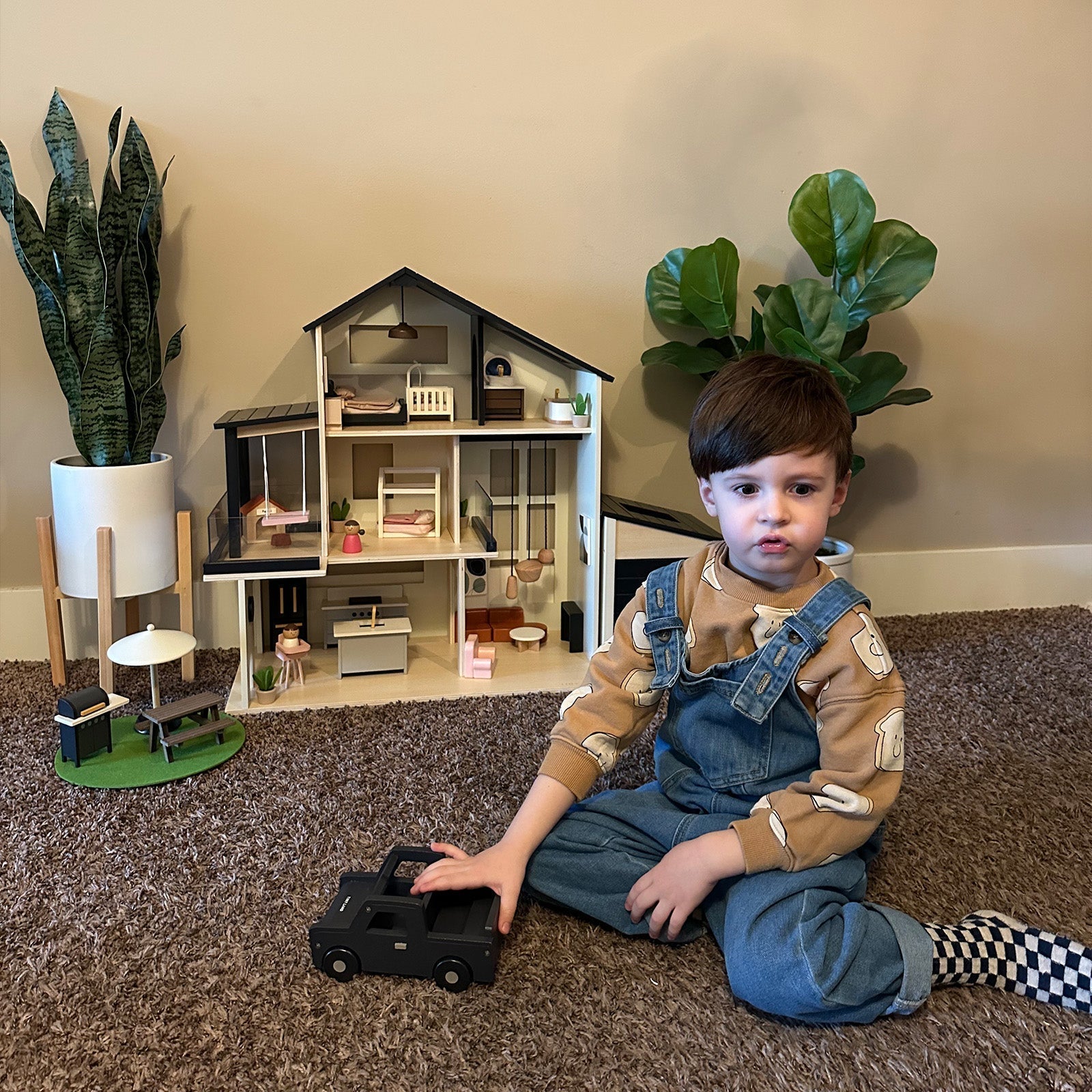
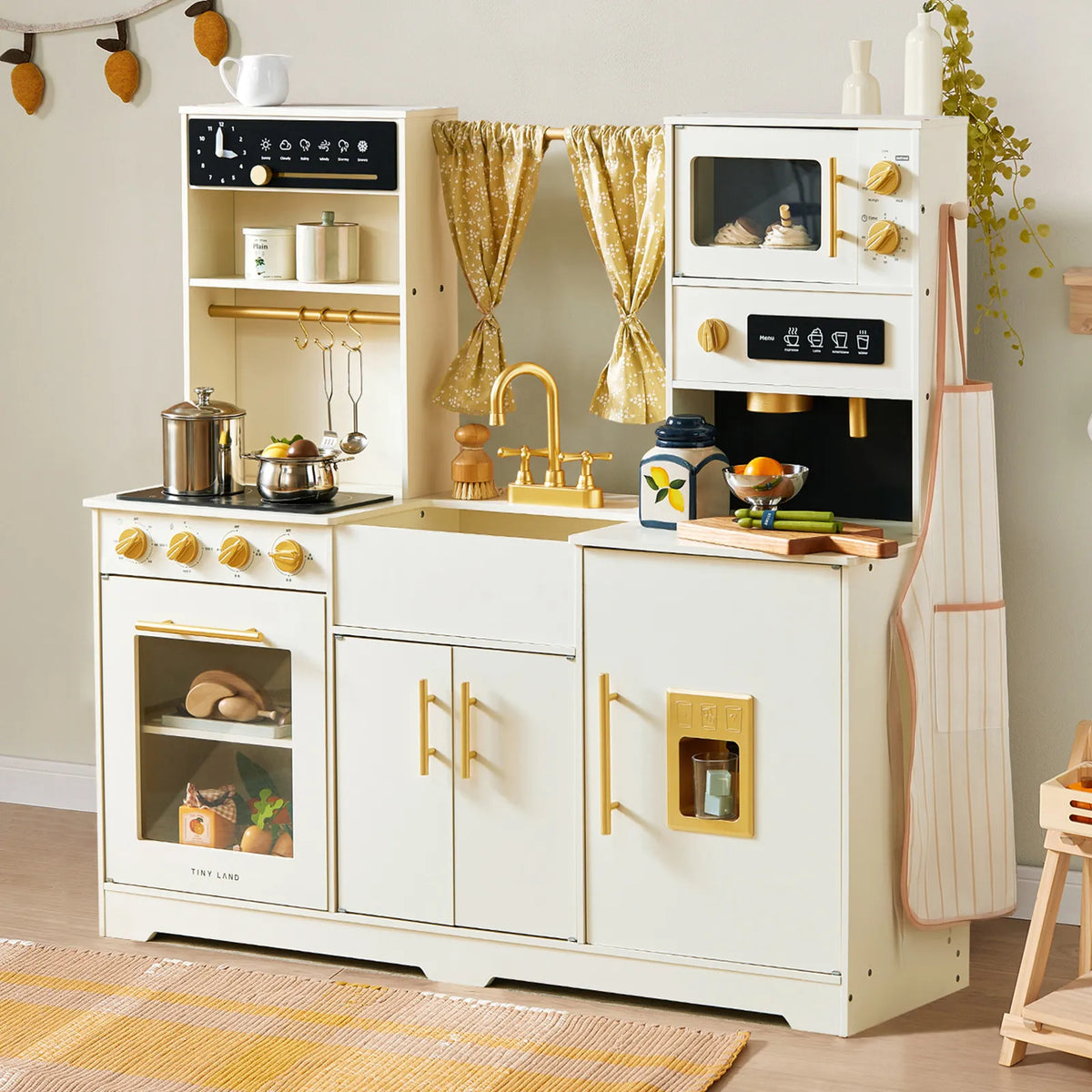
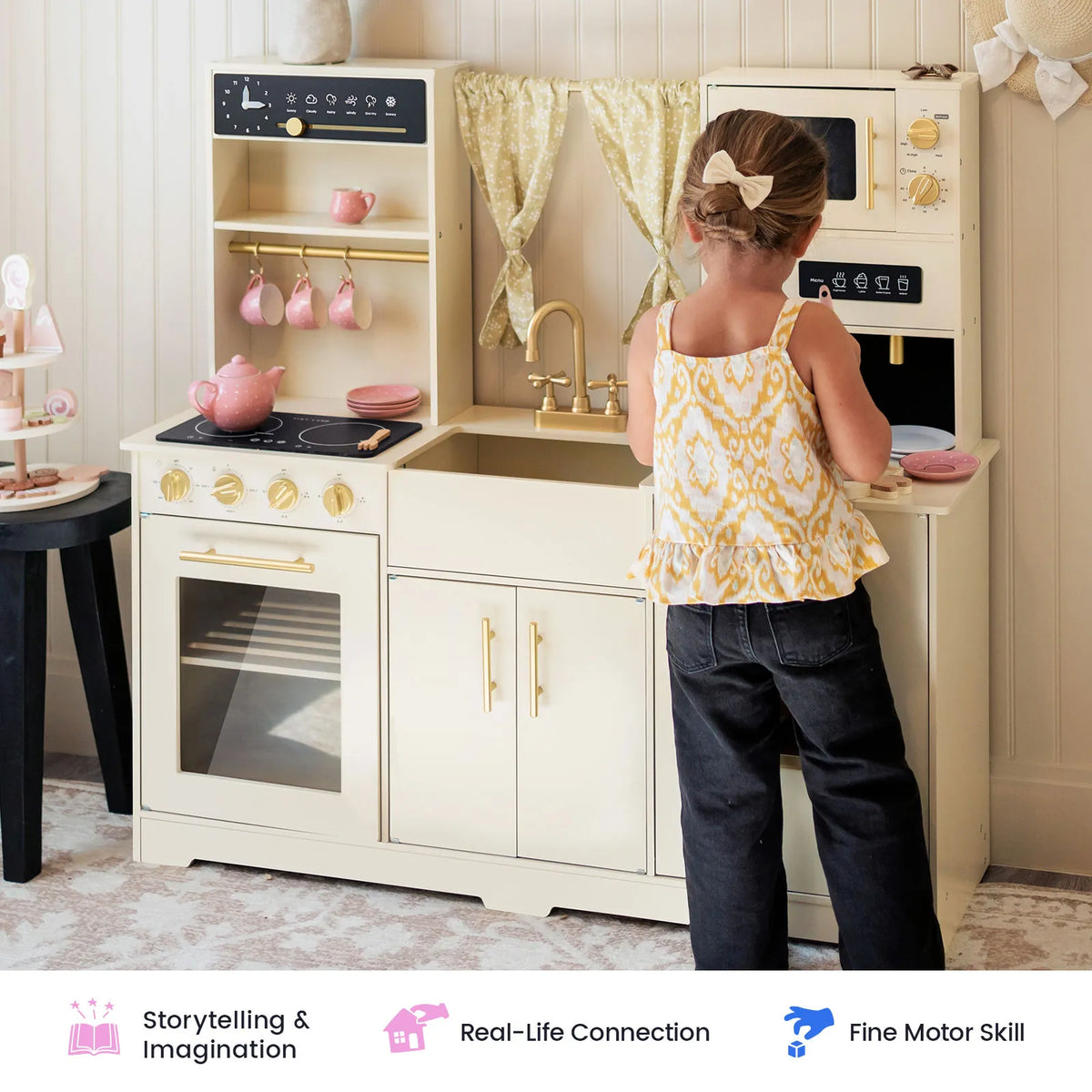
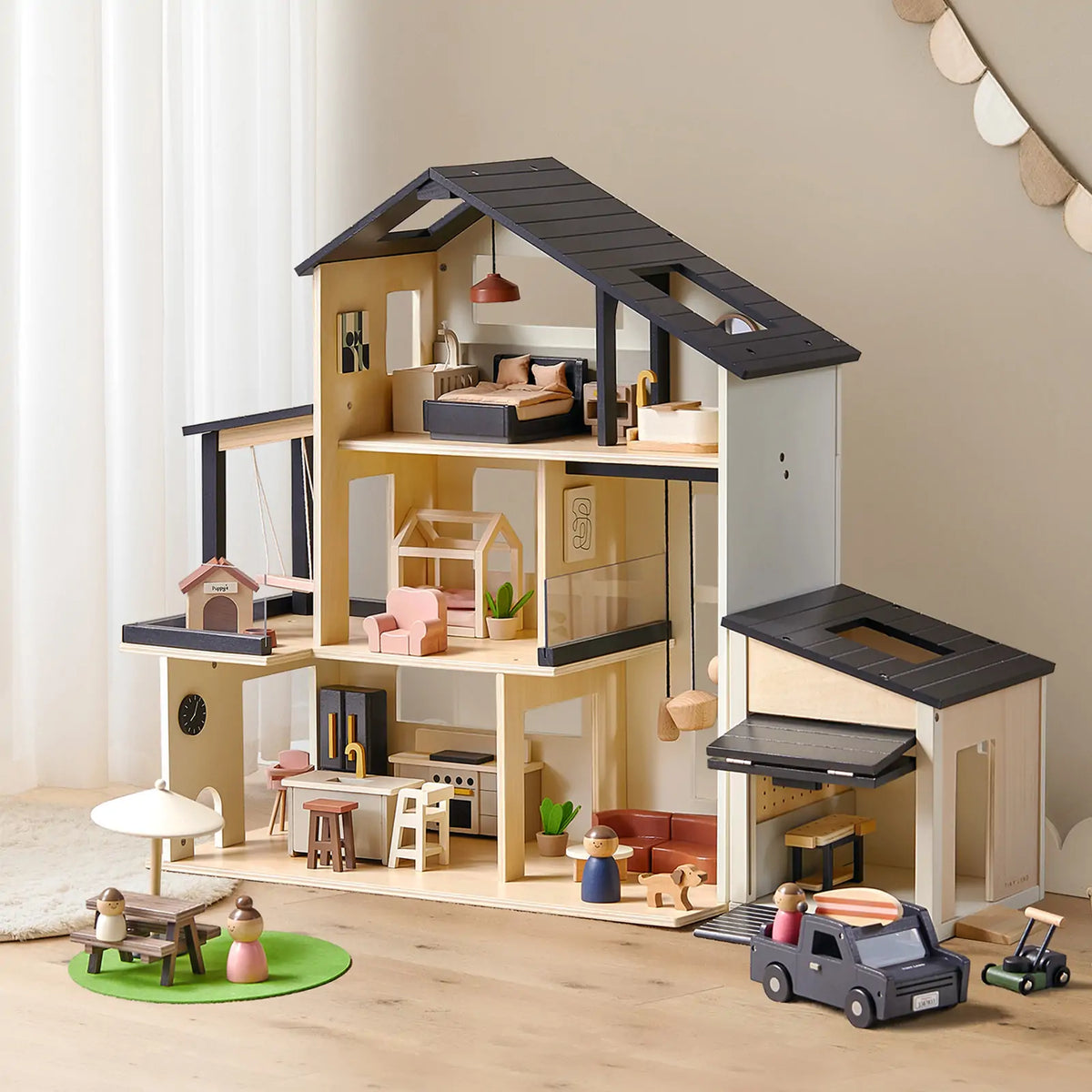
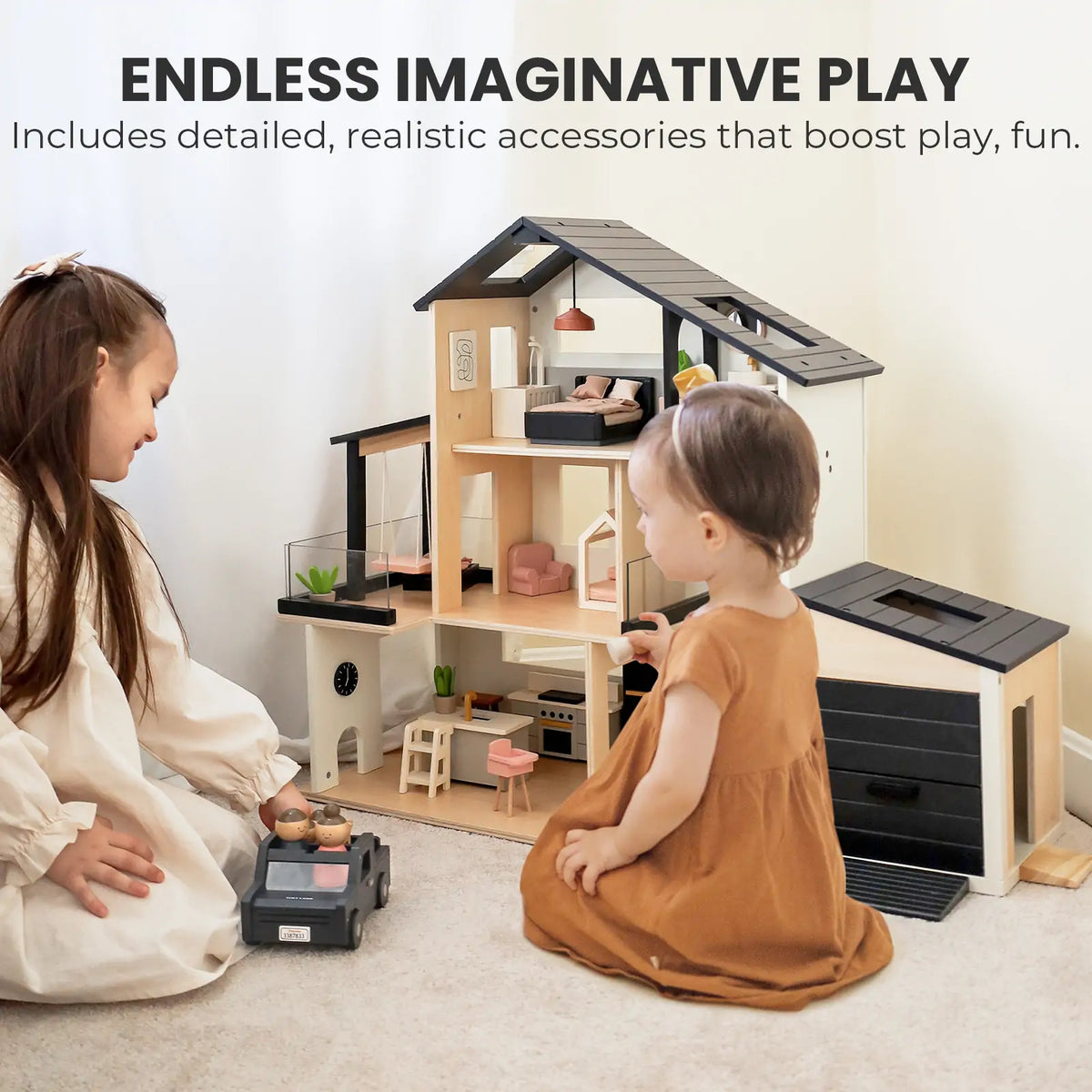
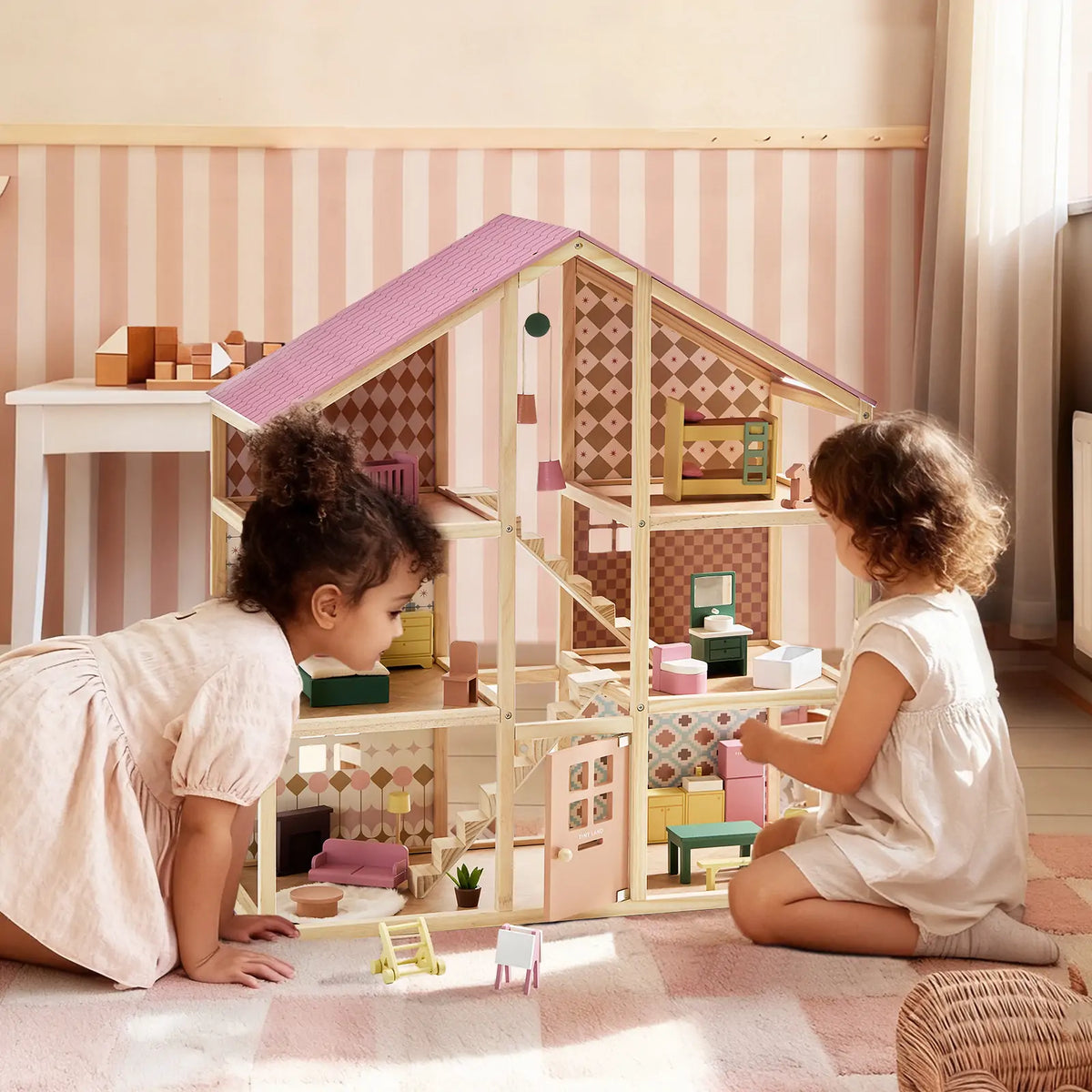
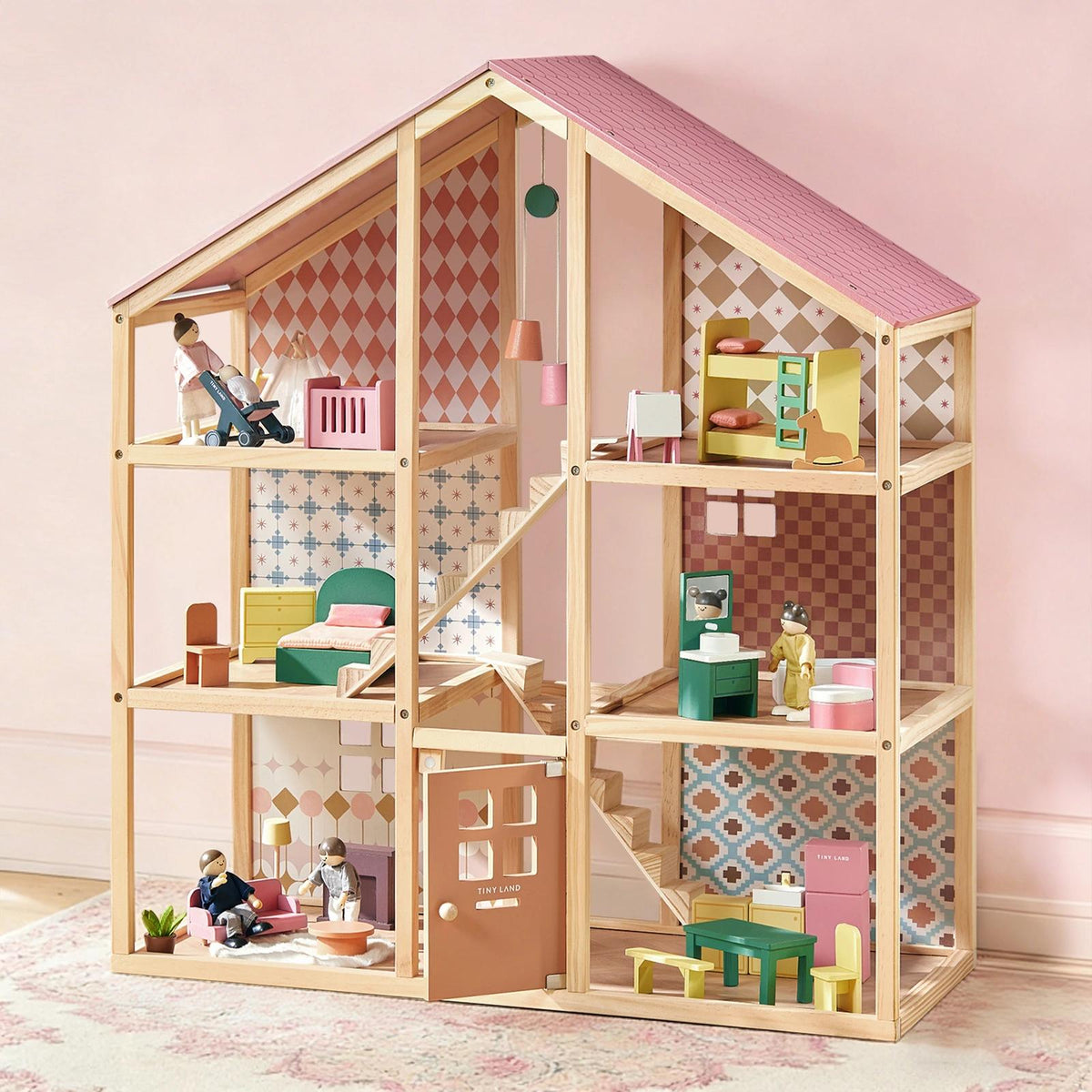
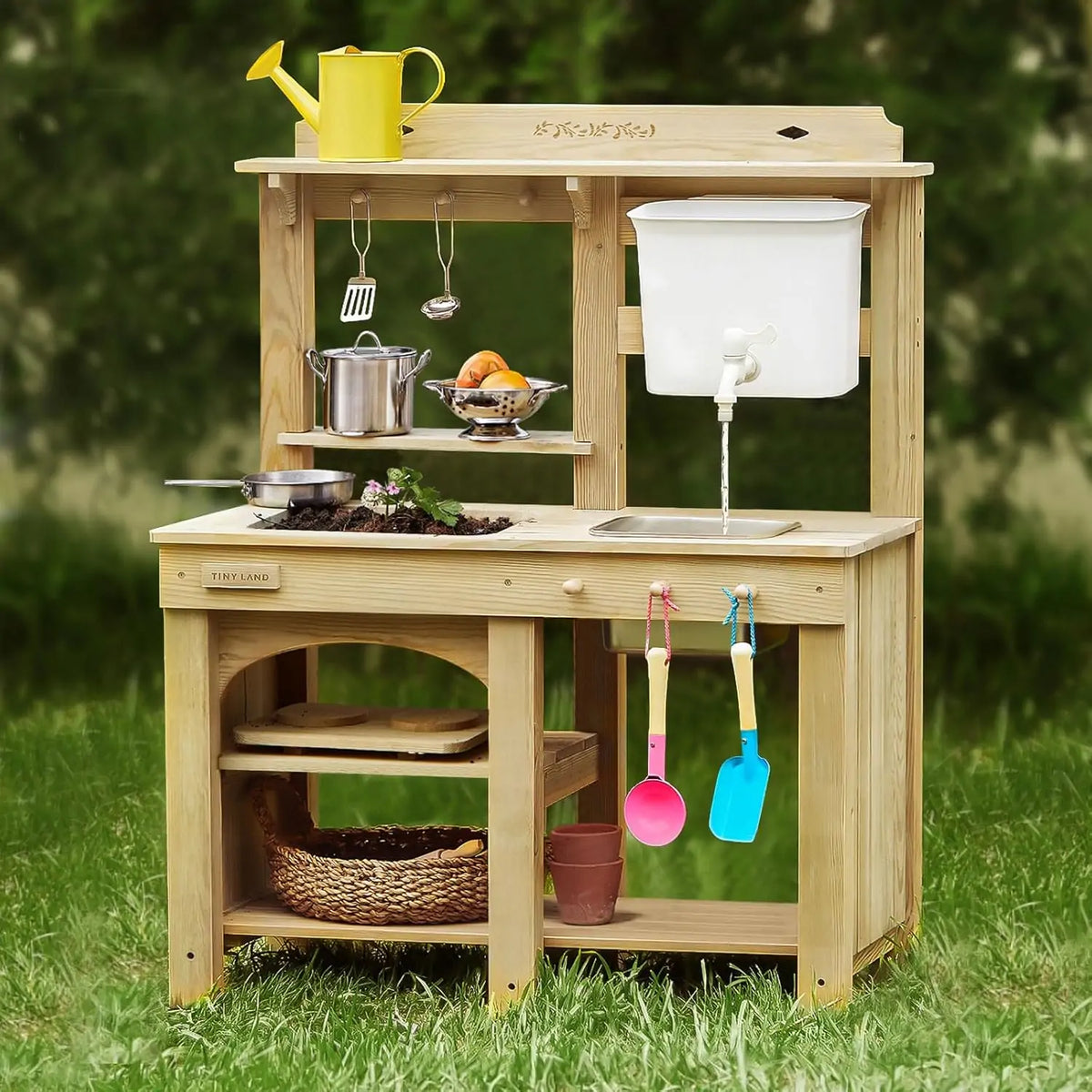
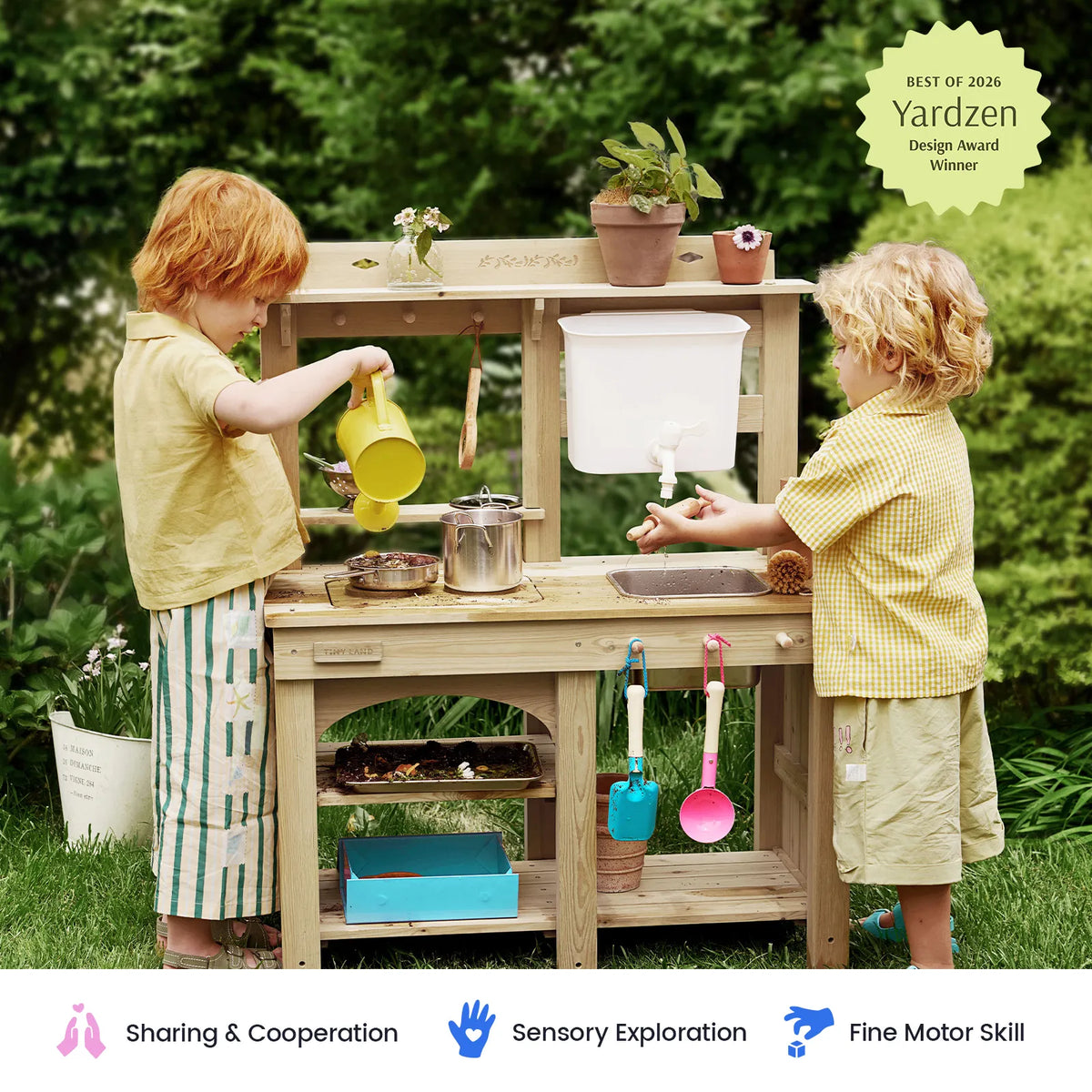
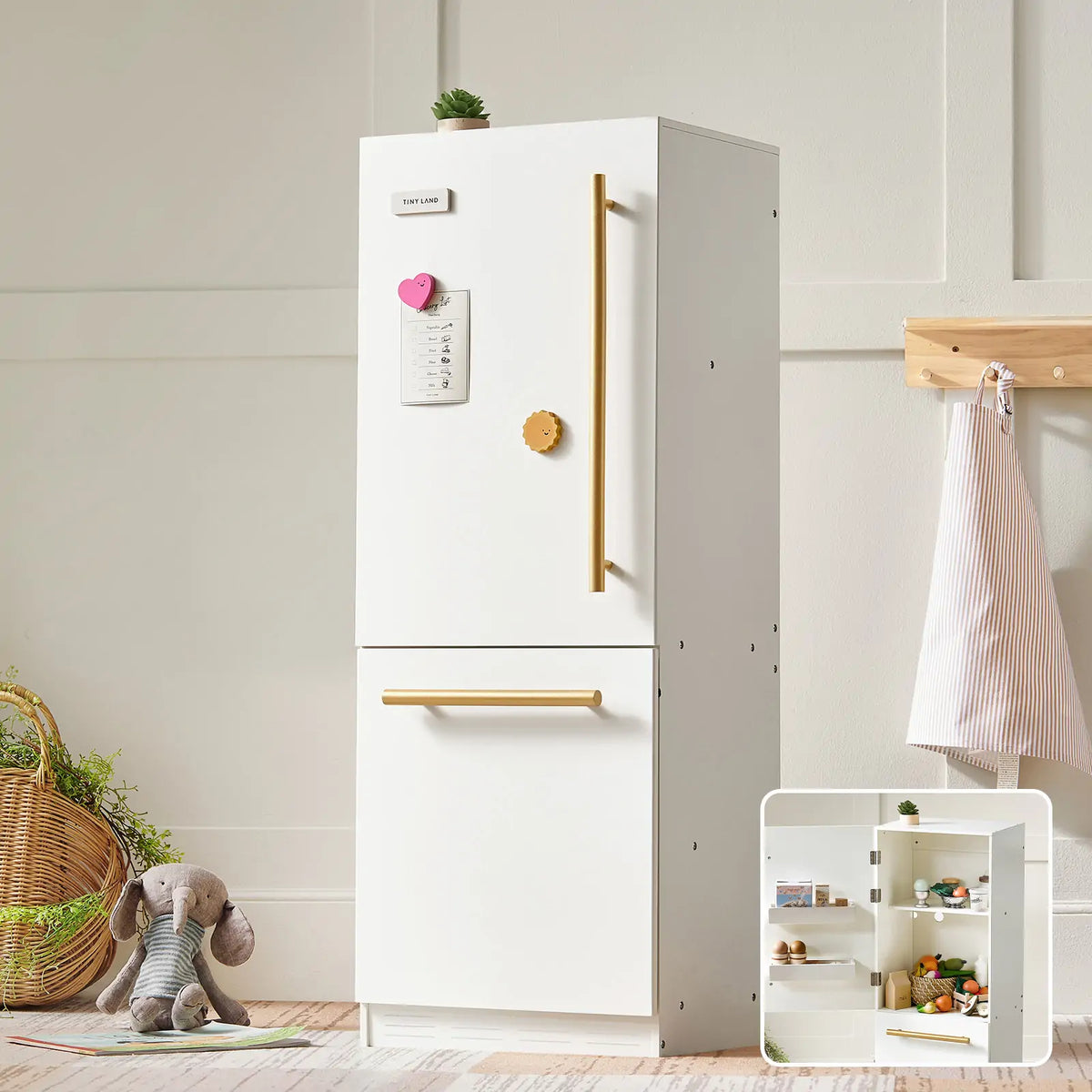
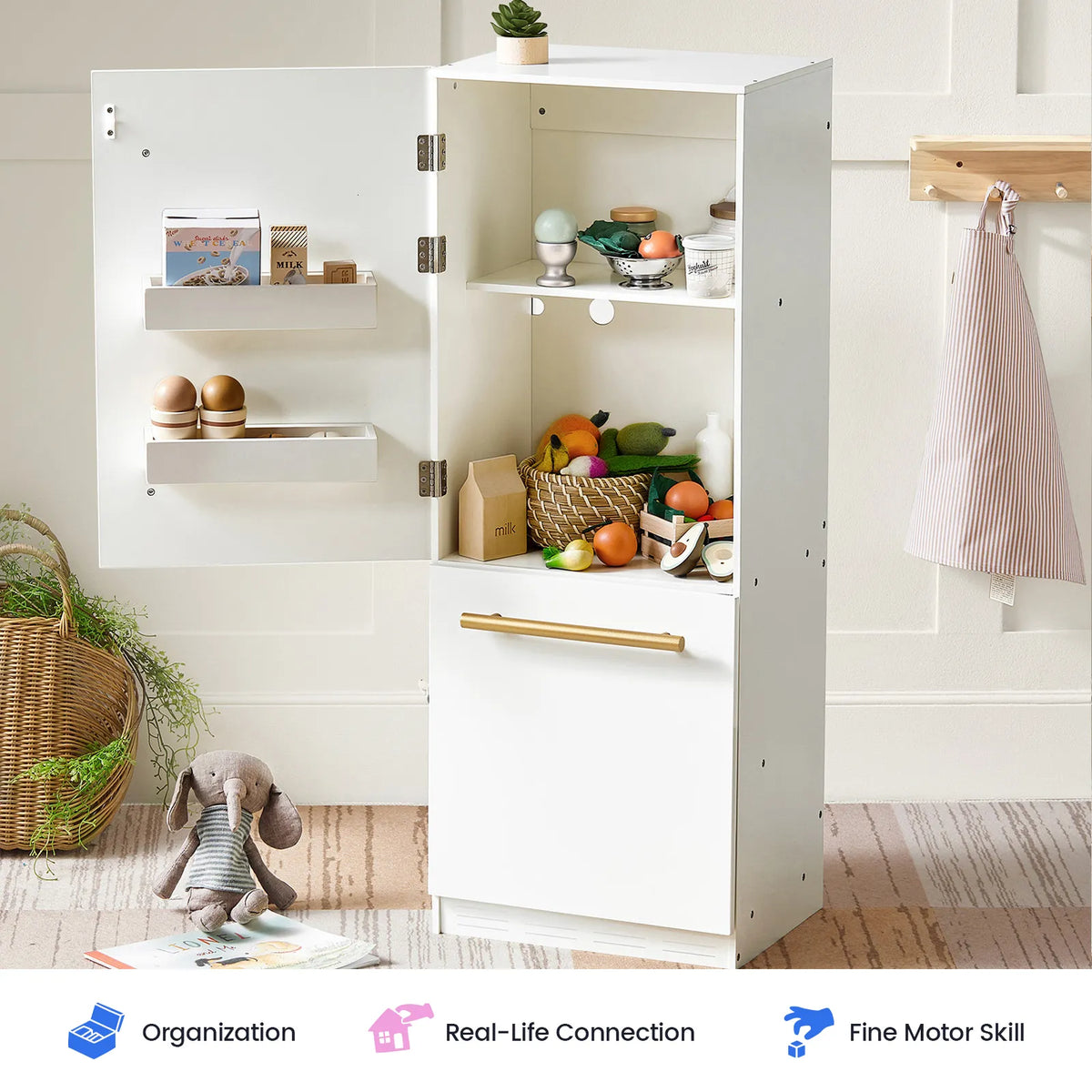
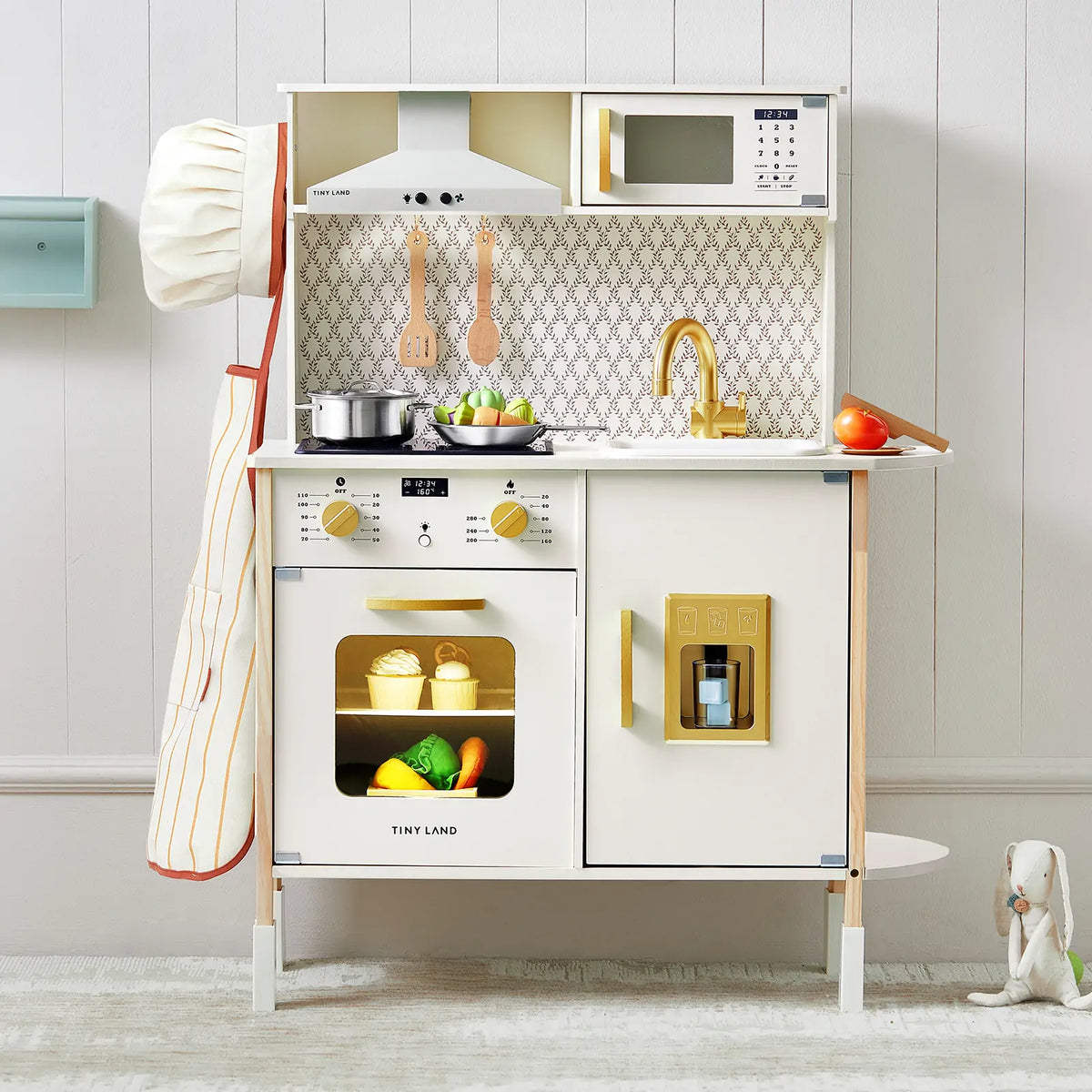
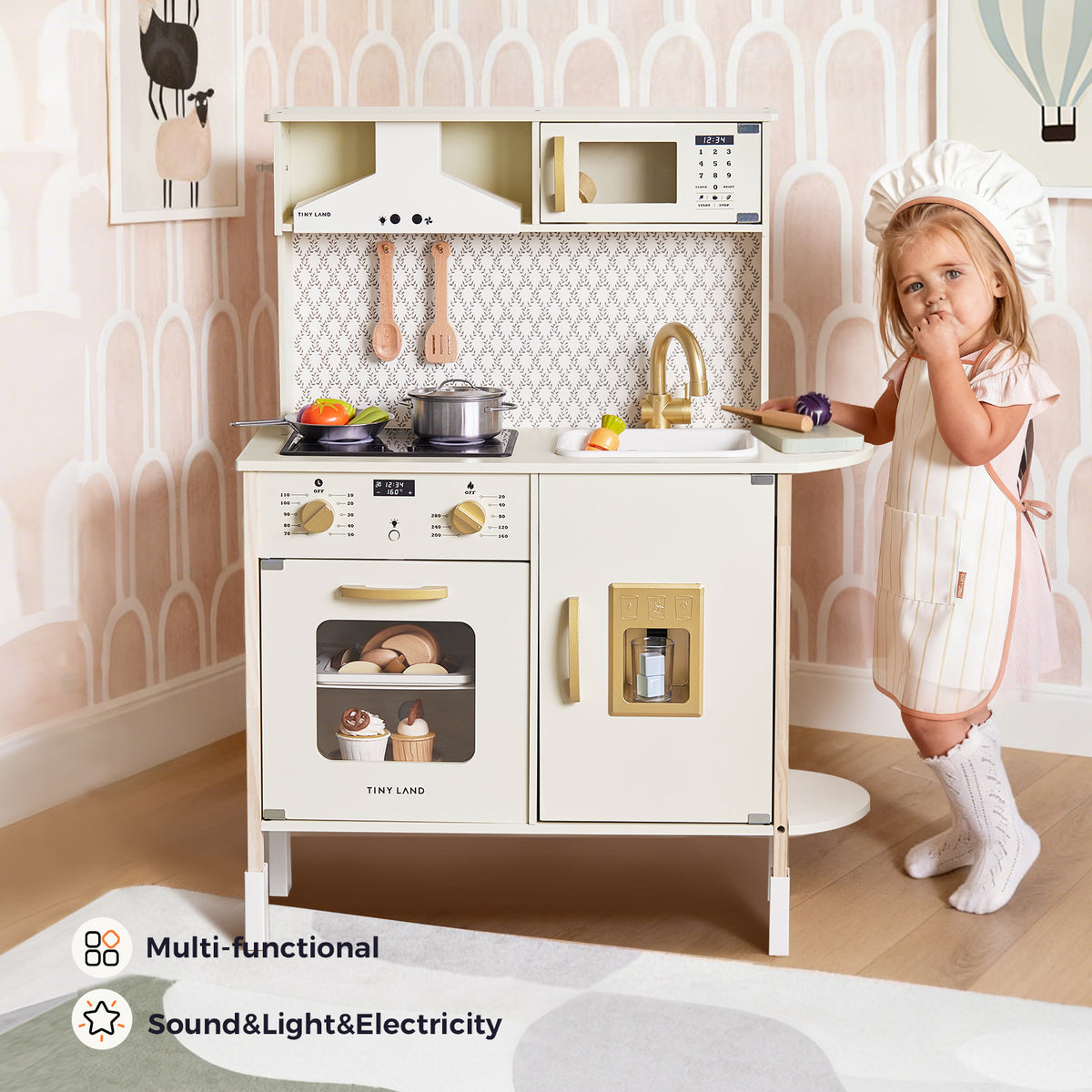
3 Best Pretend Play Toys for Kids: Play Kitchen, Dollhouse & Play Food
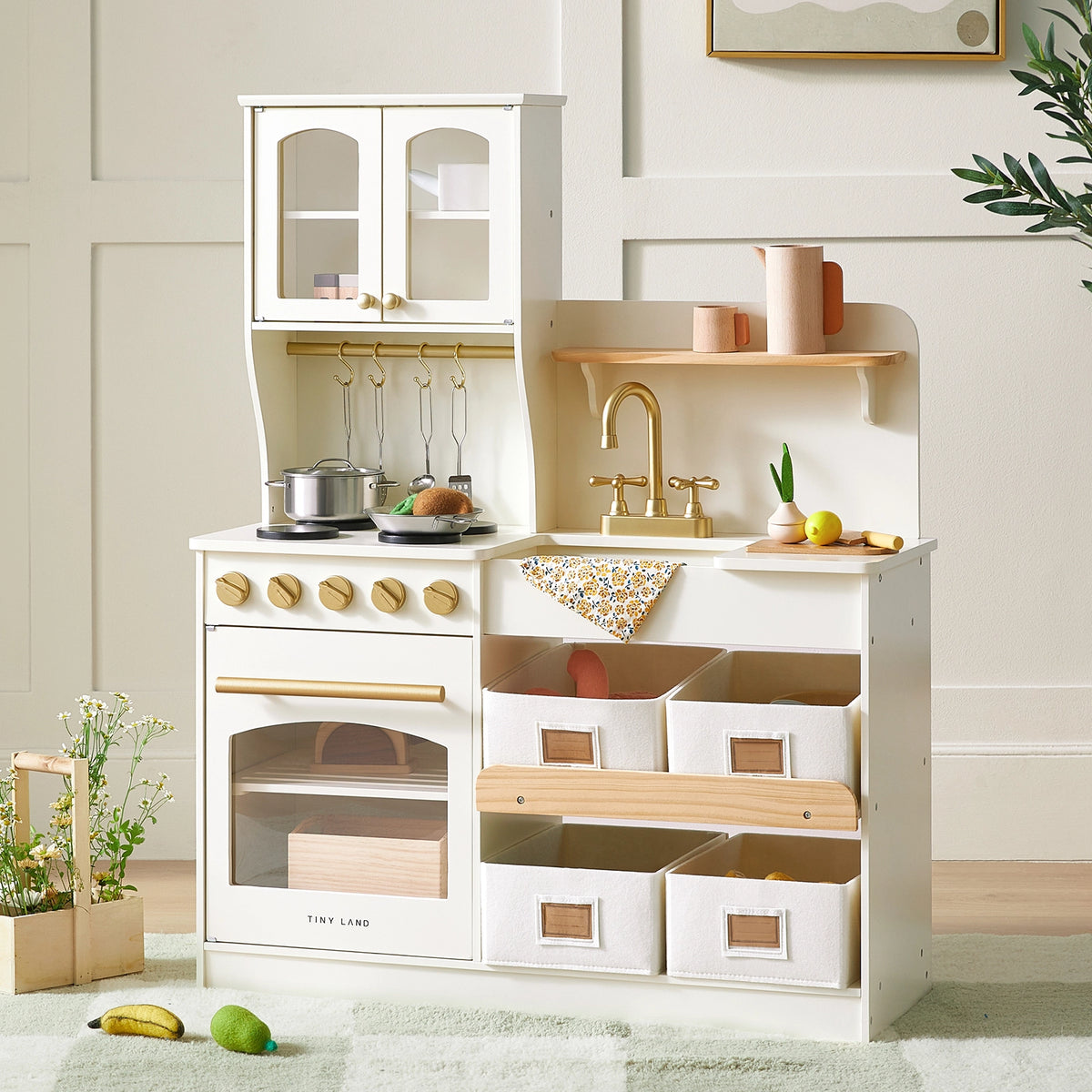
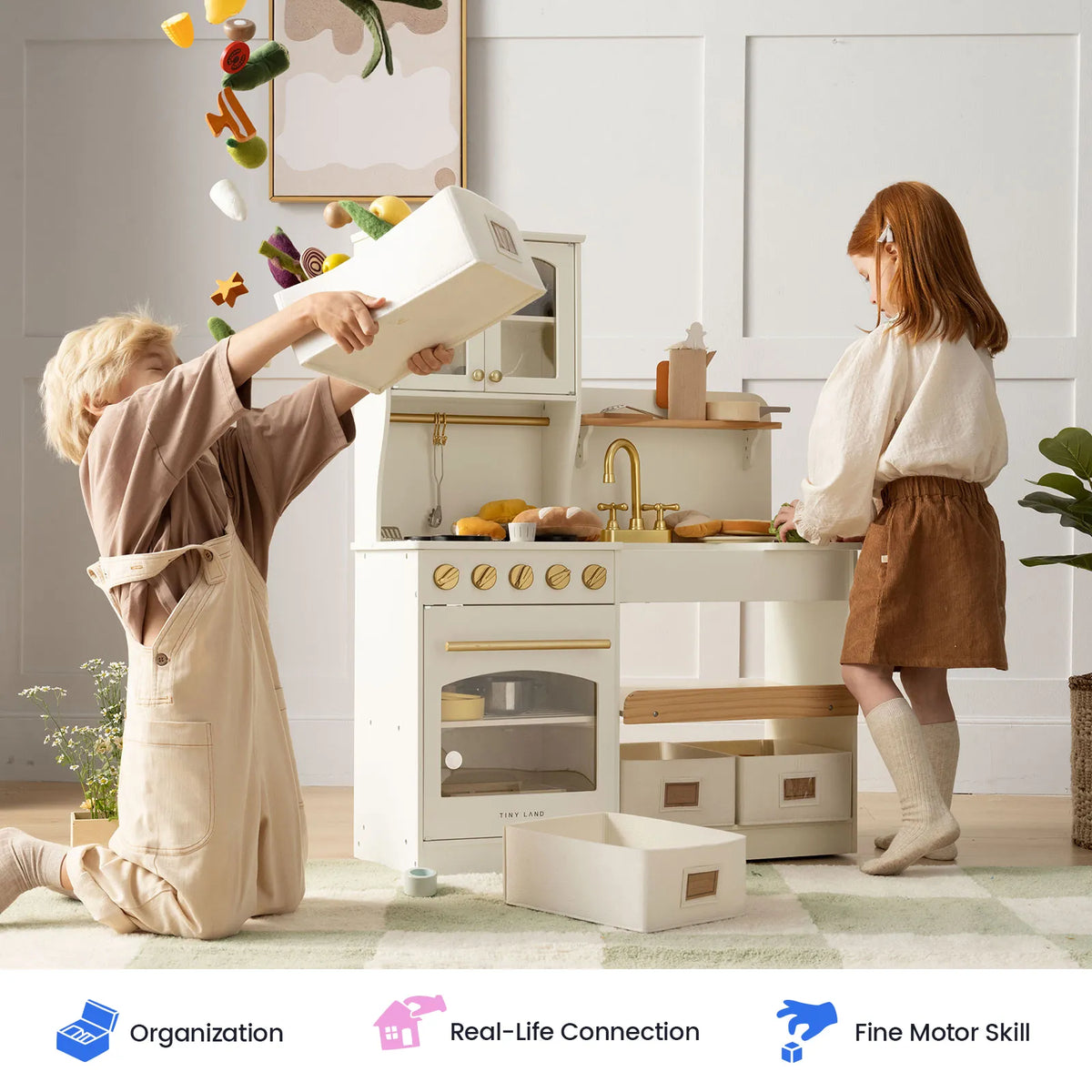
Pretend play turns familiar experiences into opportunities for children to imagine, create, and take the lead.
If you're building a pretend-play space for your child, three categories are especiall...

7 Best Fall Toys for Toddlers and Preschoolers
Fall brings cooler days, colorful leaves, pumpkin patches, farmers' markets, and more time for cozy play at home.
For toddlers and preschoolers, the season also offers plenty of inspiration for pre...

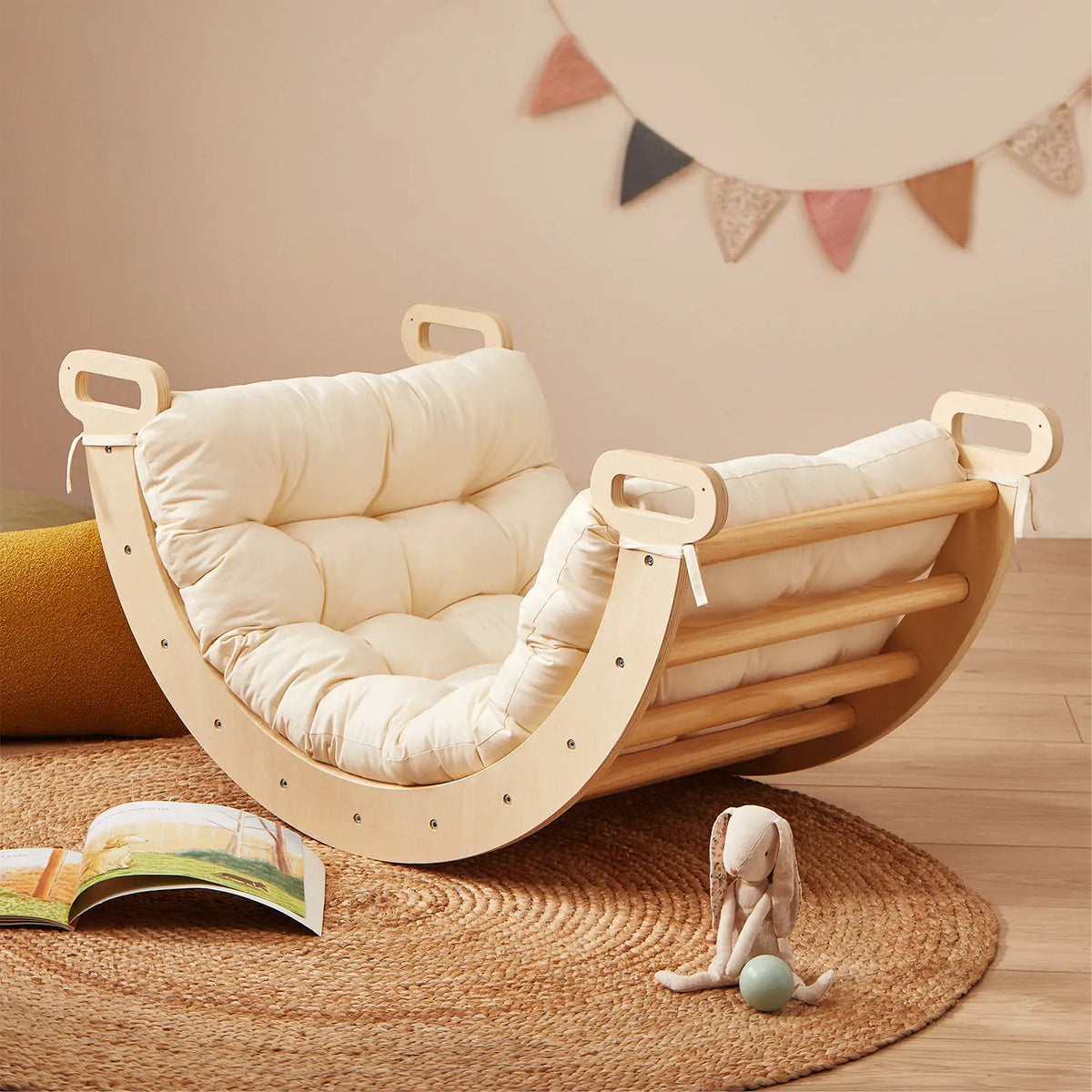
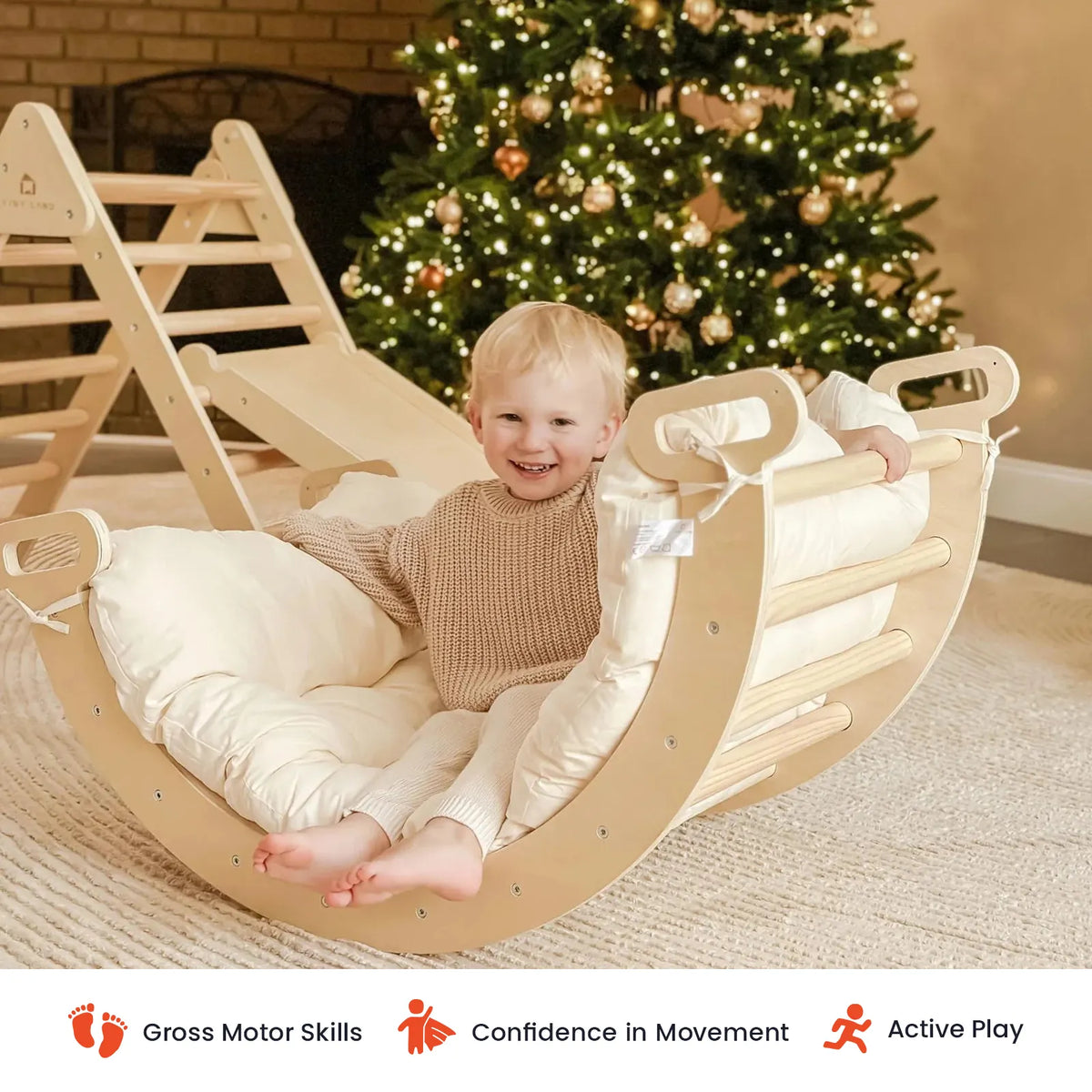
Pikler Triangle Guide: Safe Indoor Climbing Play for Toddlers
A Pikler triangle is a wooden climbing structure designed for children to explore climbing and movement through play. Its simple frame and rungs give toddlers a dedicated place to climb, step, bala...

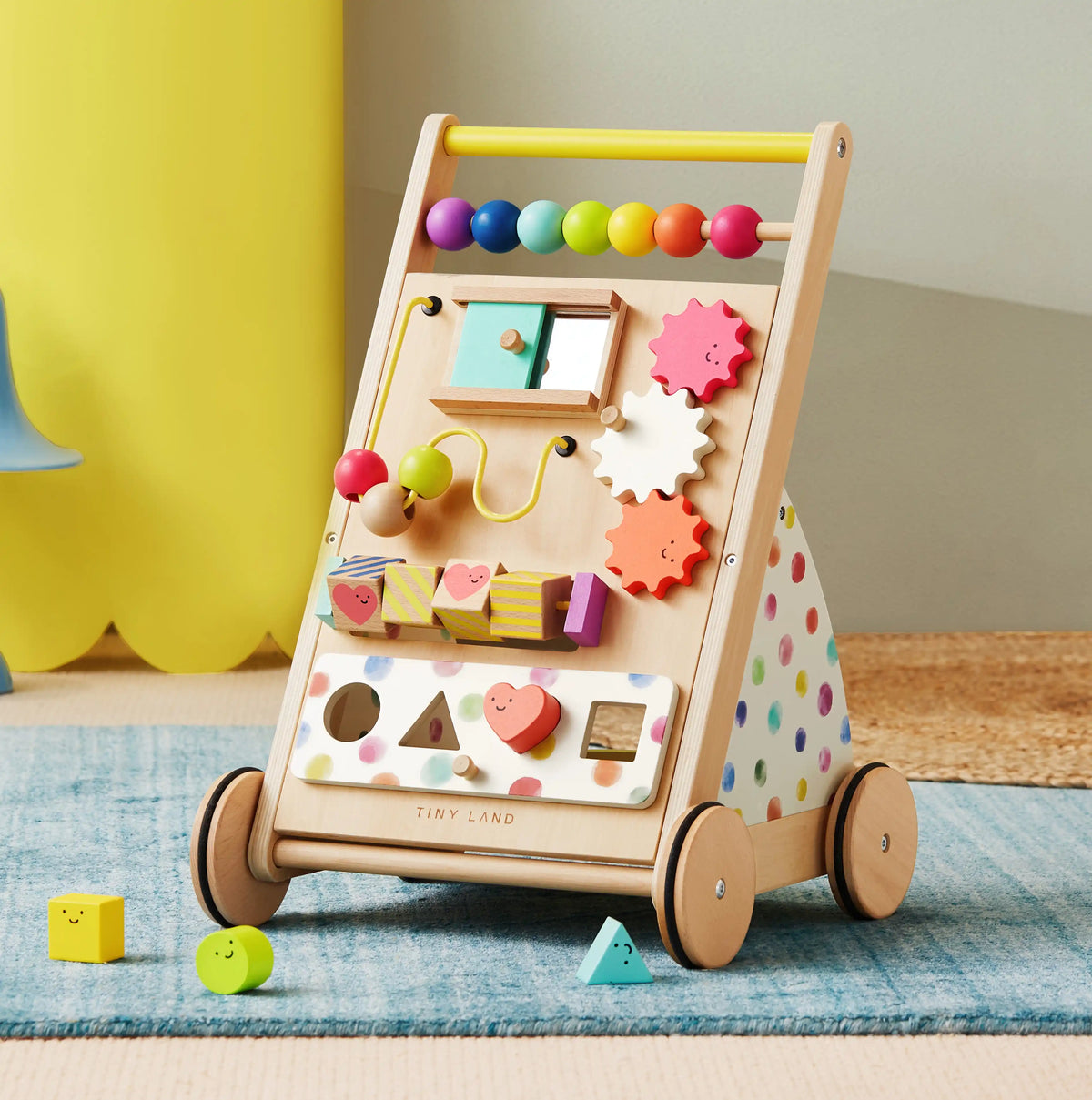
Baby Walker Guide: How to Choose a Safe First Steps Toy
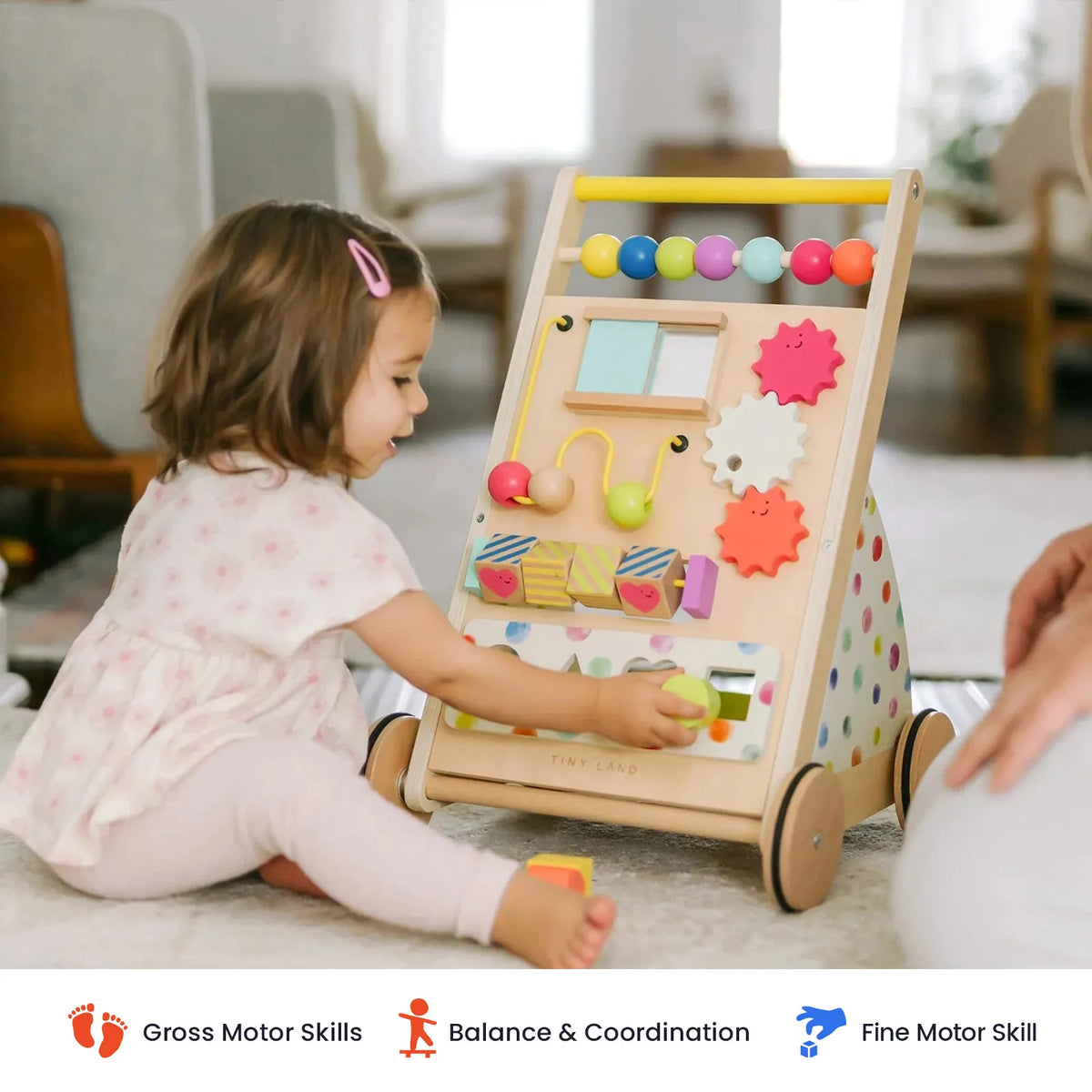
Choosing a baby walker can be part of preparing your home for a child who is beginning to stand, cruise, and explore first steps.
Parents may have questions about when to introduce a walker, what f...

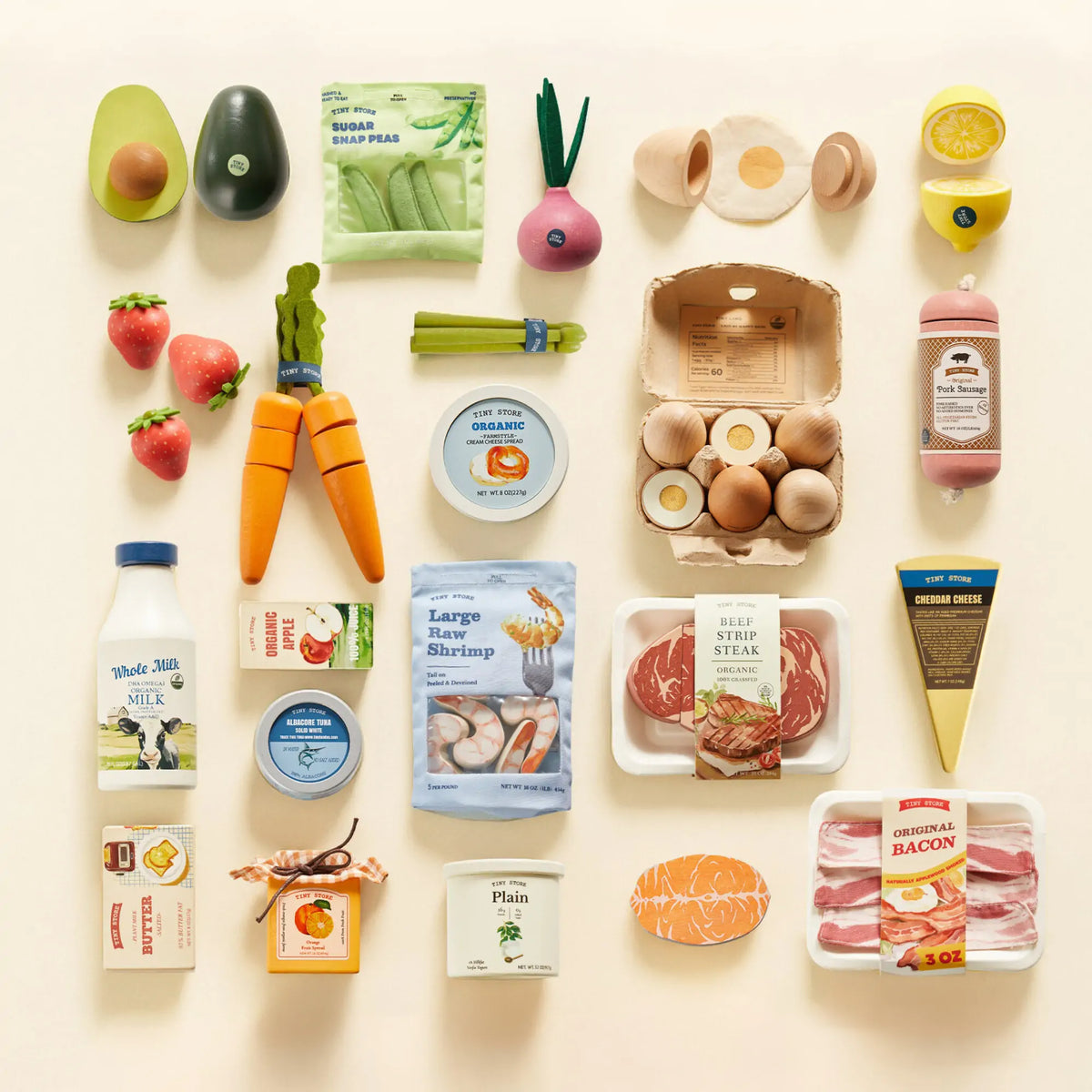
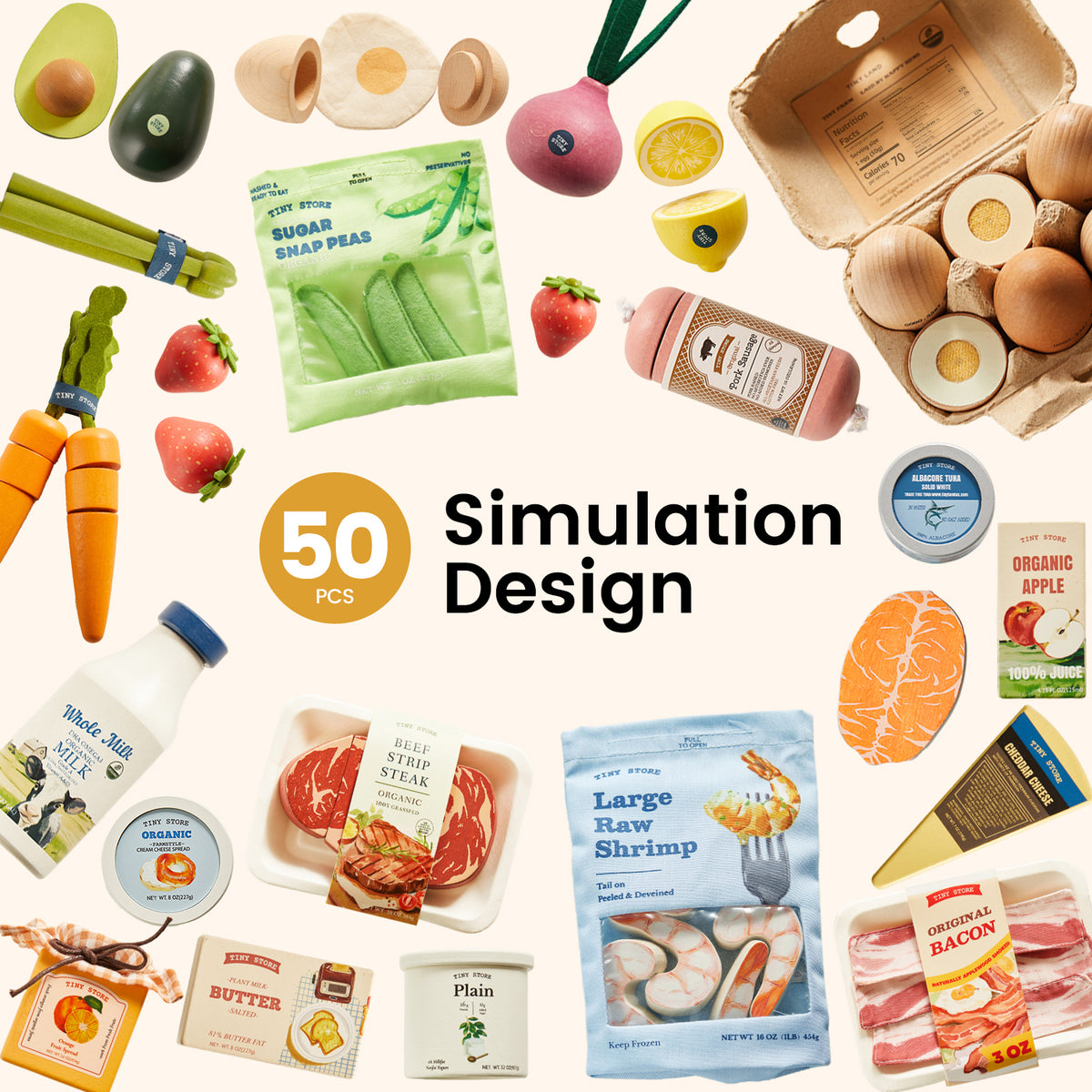
Best Play Food Sets for Toddlers: What to Look for Before You Buy
Choosing the best play food sets for toddlers is not simply about finding the set with the most pieces.
Parents may also want to consider a child's age, the size and shape of the pieces, material, ...

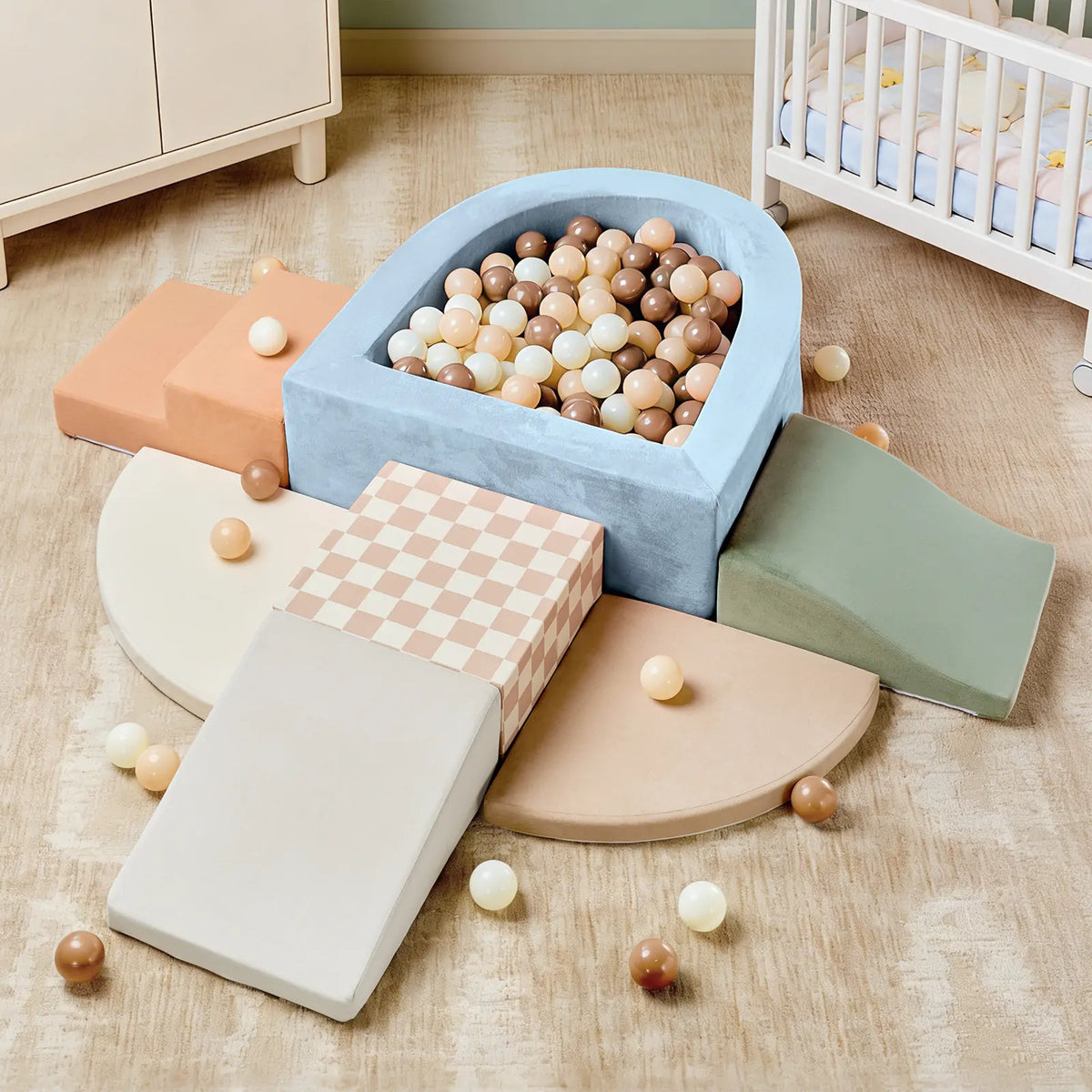
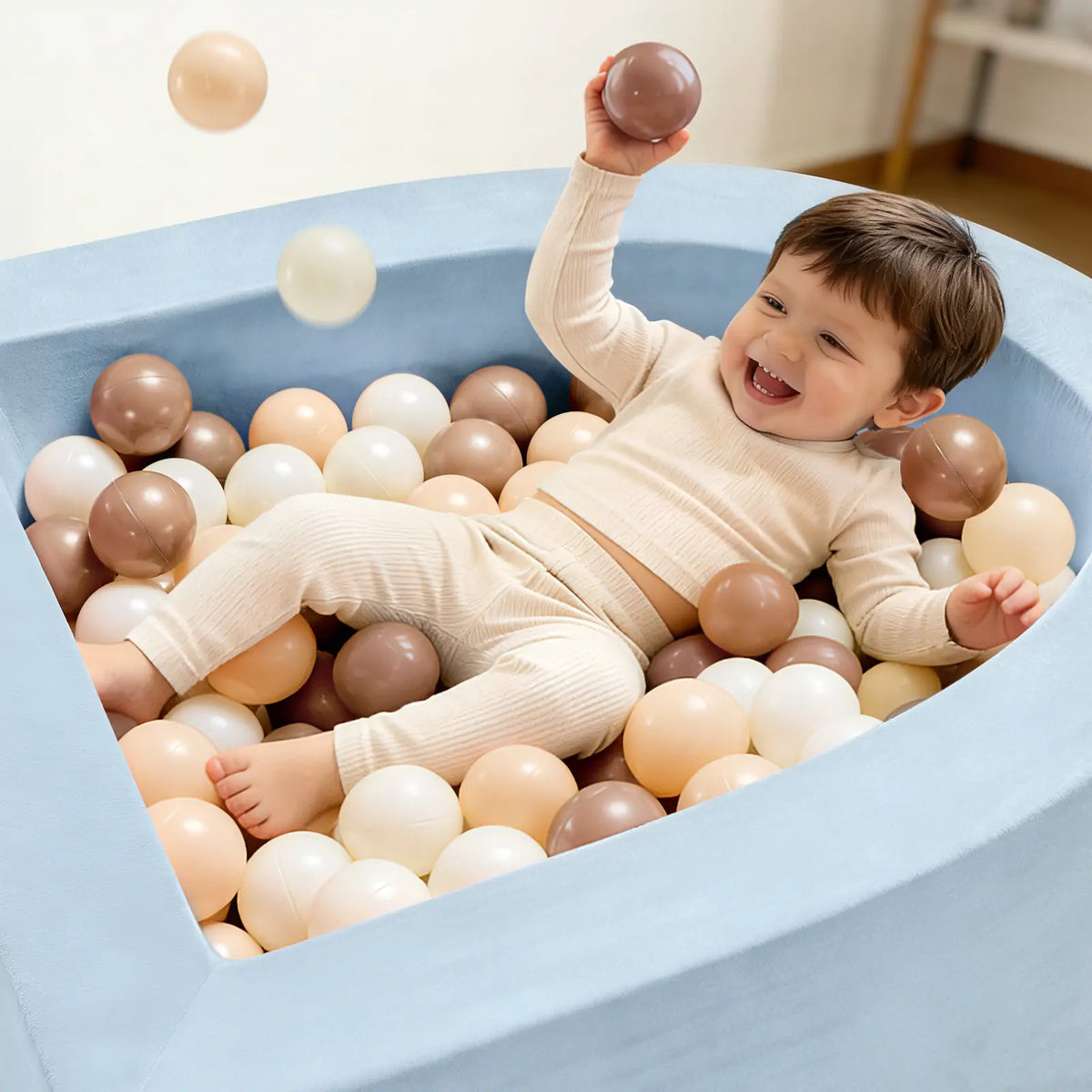
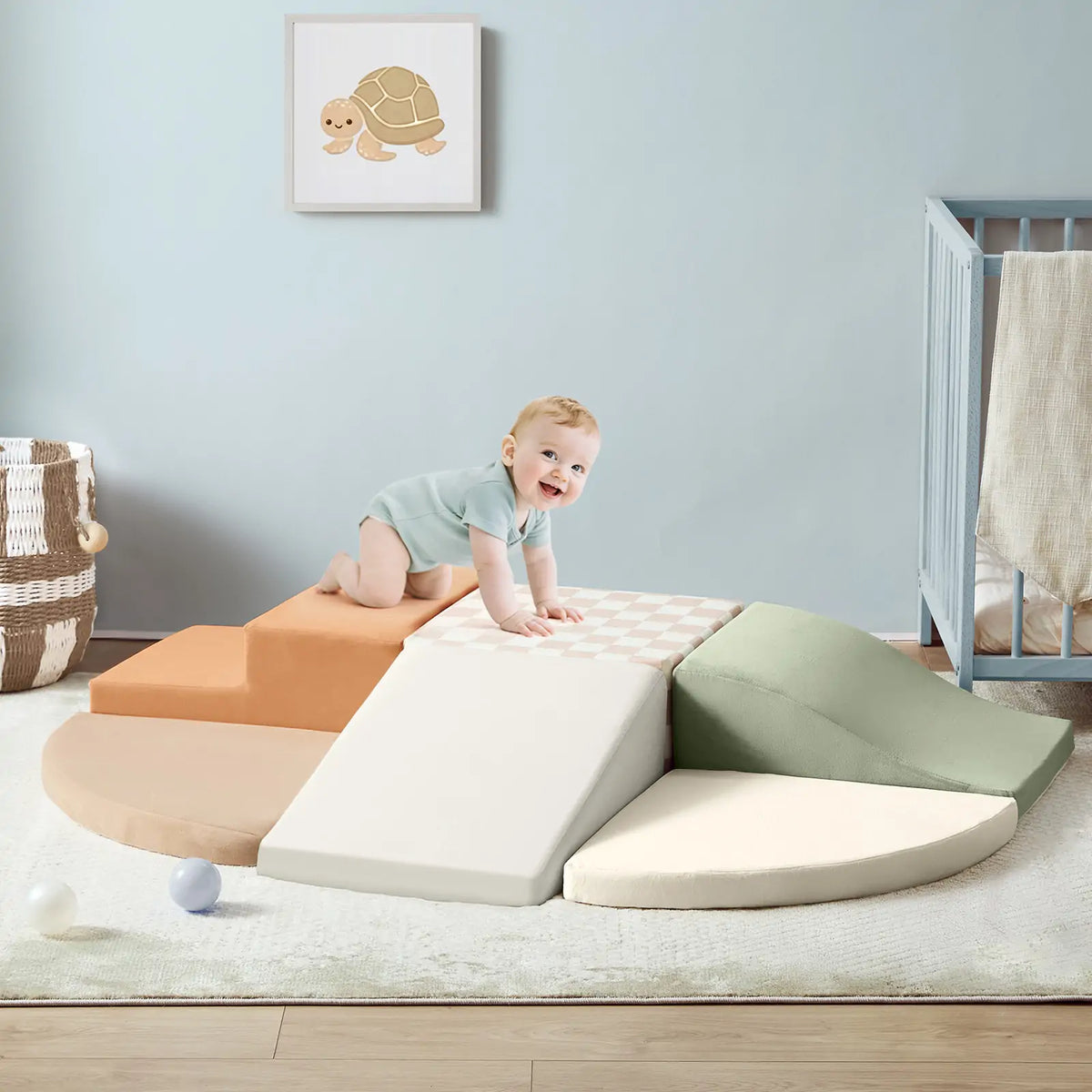
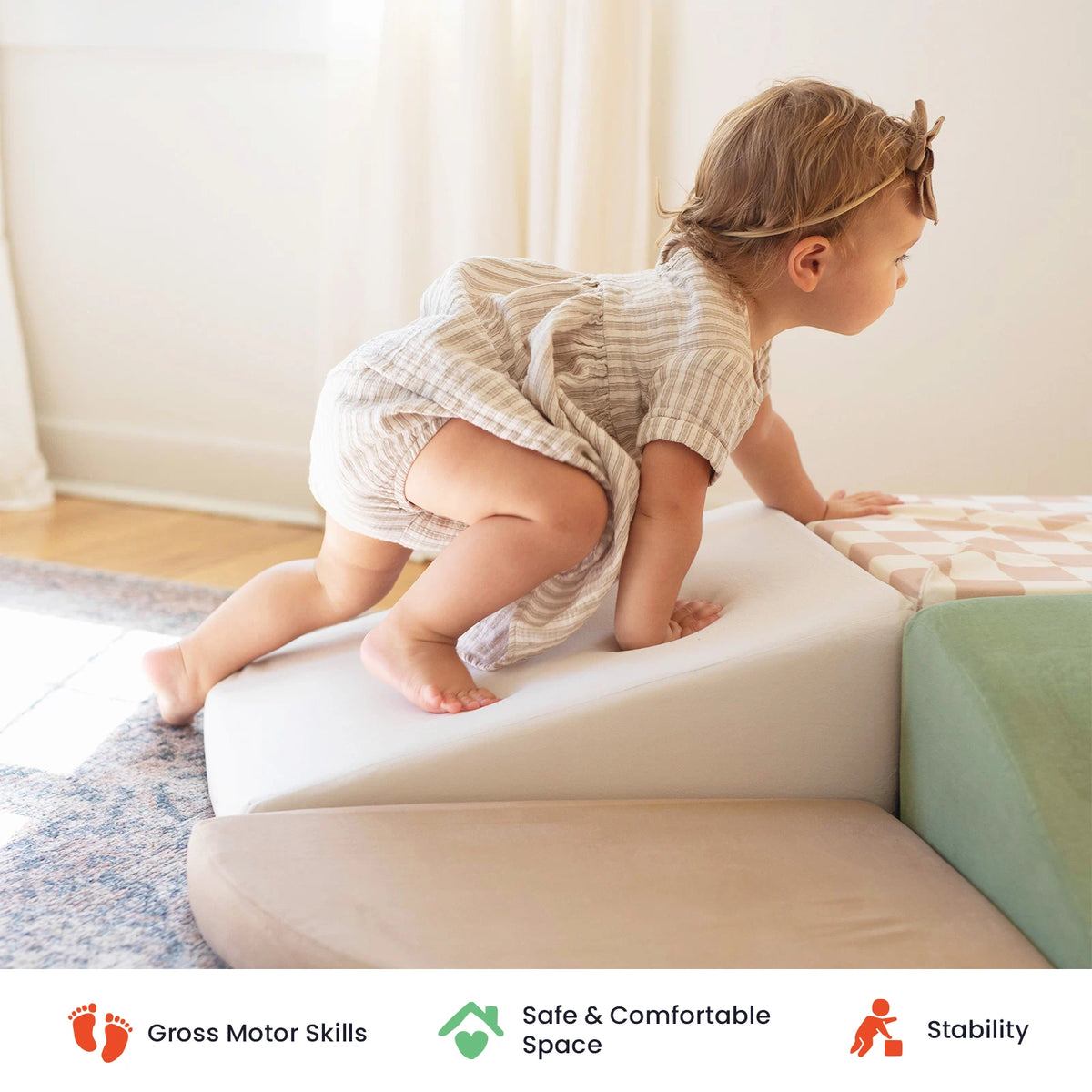
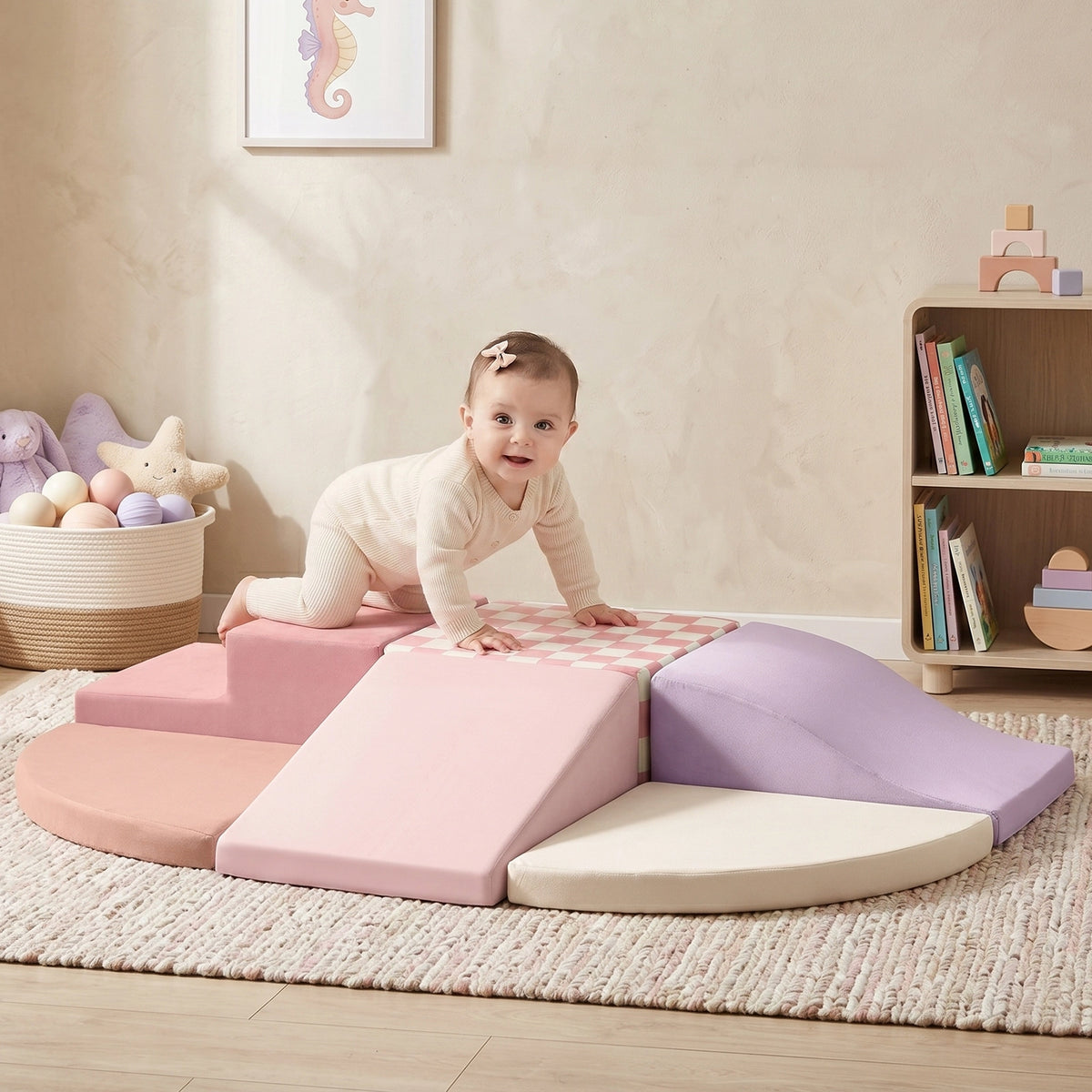
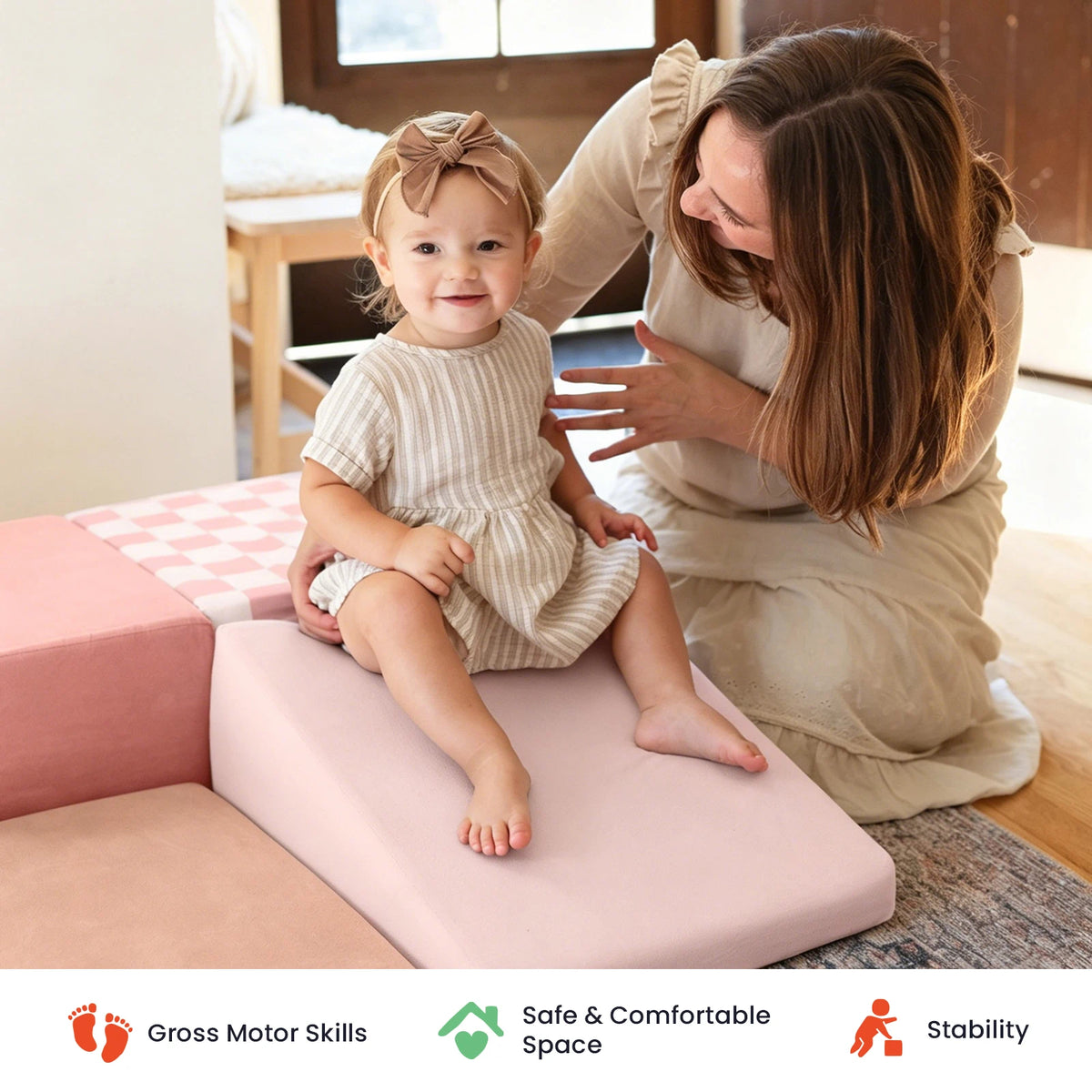
Best Foam Climbing Blocks for Toddlers: How to Choose a Safe Indoor Play Set
Finding the right indoor climbing toy for a toddler is about more than choosing a set with the most pieces.
Parents may need to consider age, height, shape, stability, materials, available space, c...

Play Kitchen Activities for Toddlers: 12 Simple Pretend-Play Ideas
A play kitchen can turn everyday routines into simple pretend-play opportunities for toddlers.
With a few pieces of pretend food, some open-ended props, and a little space to play, children can cre...

Pretend Play Grocery Store: How to Set Up a Market at Home
A pretend play grocery store turns a simple corner of your living room into an active learning center. Role-playing as a shopper, cashier, or store manager helps young children build early math ski...

Stepping Stones for Kids: Balance and Movement Play Ideas
Stepping stones for kids can turn an open area at home into a simple opportunity for movement, balance, and imaginative play.
Toddlers and preschoolers can step from one piece to another, create th...