





Why does my child have so many toys but still say, “I’m bored”?
If your child's playroom is full of toys but they keep walking past them, you may not have a toy problem.
You may have a playroom friction problem.
Sometimes, children don't ignore toys because they aren't interested in them. The toys may simply be difficult to see, reach, start, choose, or put away.
Before buying another toy, take 10 minutes to look at your child's play environment from their perspective.
At Tiny Land, we call this the 5-Point Playroom Audit:
SEE → REACH → START → CHOOSE → CLEAN
five simple checks can help you identify why toys are being ignored and create a playroom that makes independent, imaginative play easier to begin.

What Is Playroom Friction?
Playroom friction is anything in a child's environment that creates an unnecessary barrier between wanting to play and actually playing.
For an adult, these steps may seem insignificant.
For a young child, they can make a difference.
Imagine your child wants to play restaurant.
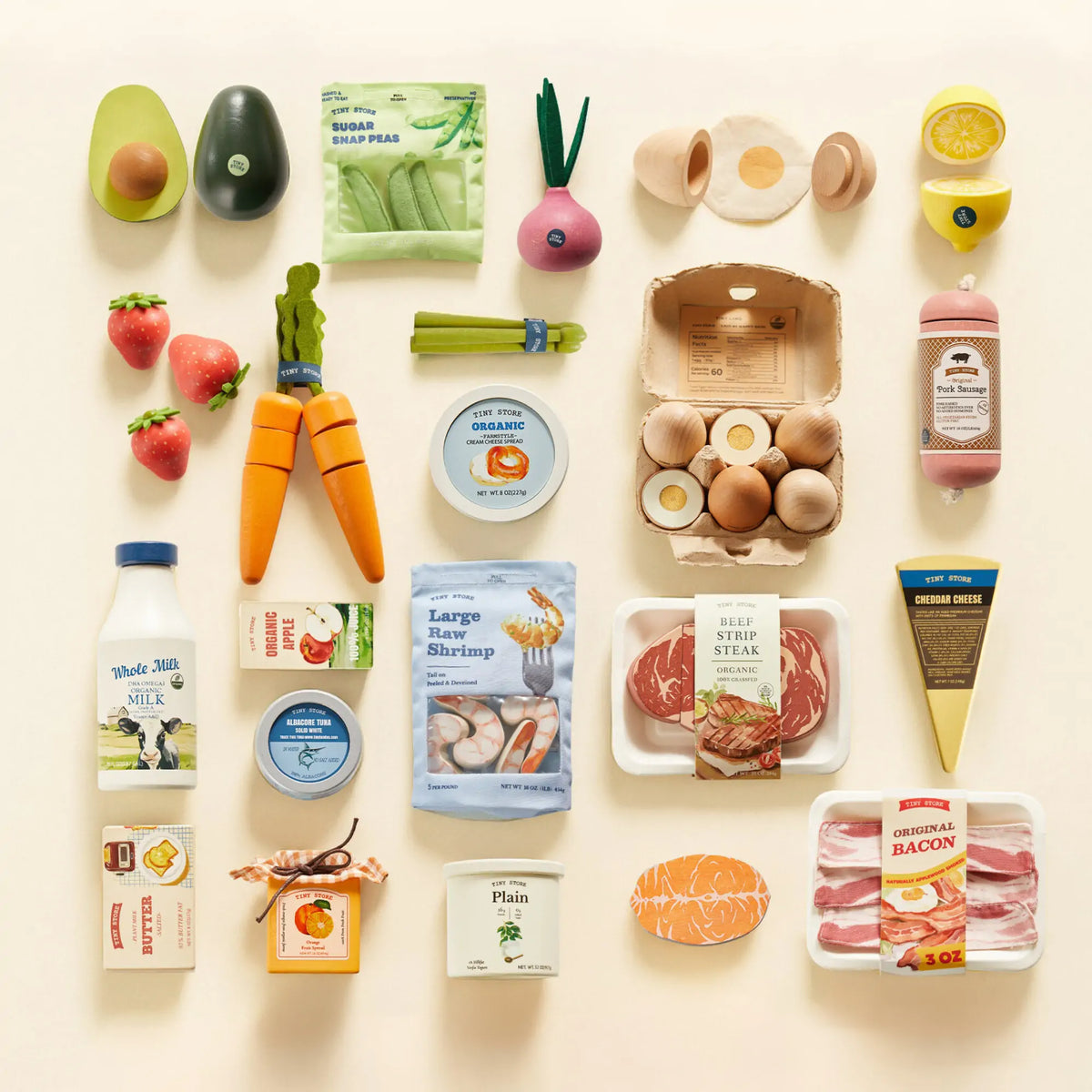
The play kitchen is visible—but the pretend food is in a closed bin across the room. The cups are in another cabinet. The utensils are mixed into a large container of toys.
Your child has to find everything, ask for help, and set up the activity before pretend play can even begin.
Now imagine the same kitchen with a small basket of pretend food, cups, and utensils nearby.
Your child can walk over, choose an activity, and start playing.
The toys haven't changed. The environment has.
So when children aren't playing with their toys, it's worth looking at the play environment before assuming they need something new.

The 10-Minute Playroom Audit: 5 Things to Check
Set a timer for 10 minutes.
Walk around your child's playroom or play area and ask five questions:
- SEE: Can my child see what they can play with?
- REACH: Can they appropriately access their favorite materials?
- START: Can they begin playing without complicated setup?
- CHOOSE: Are there too many choices available at once?
- CLEAN: Can they participate in cleanup?
Let's look at each one.

1. SEE: Are the Toys Easy to See?
The problem: The toys have disappeared into storage.
Children can't choose what they don't notice.
When toys are buried inside deep bins, hidden behind other objects, or mixed together in a large pile, children may have difficulty remembering what is available.
That doesn't mean every toy needs to stay on display.
Instead, try creating visible play invitations.
A play invitation is a simple arrangement of materials that communicates:
“You can play here.”
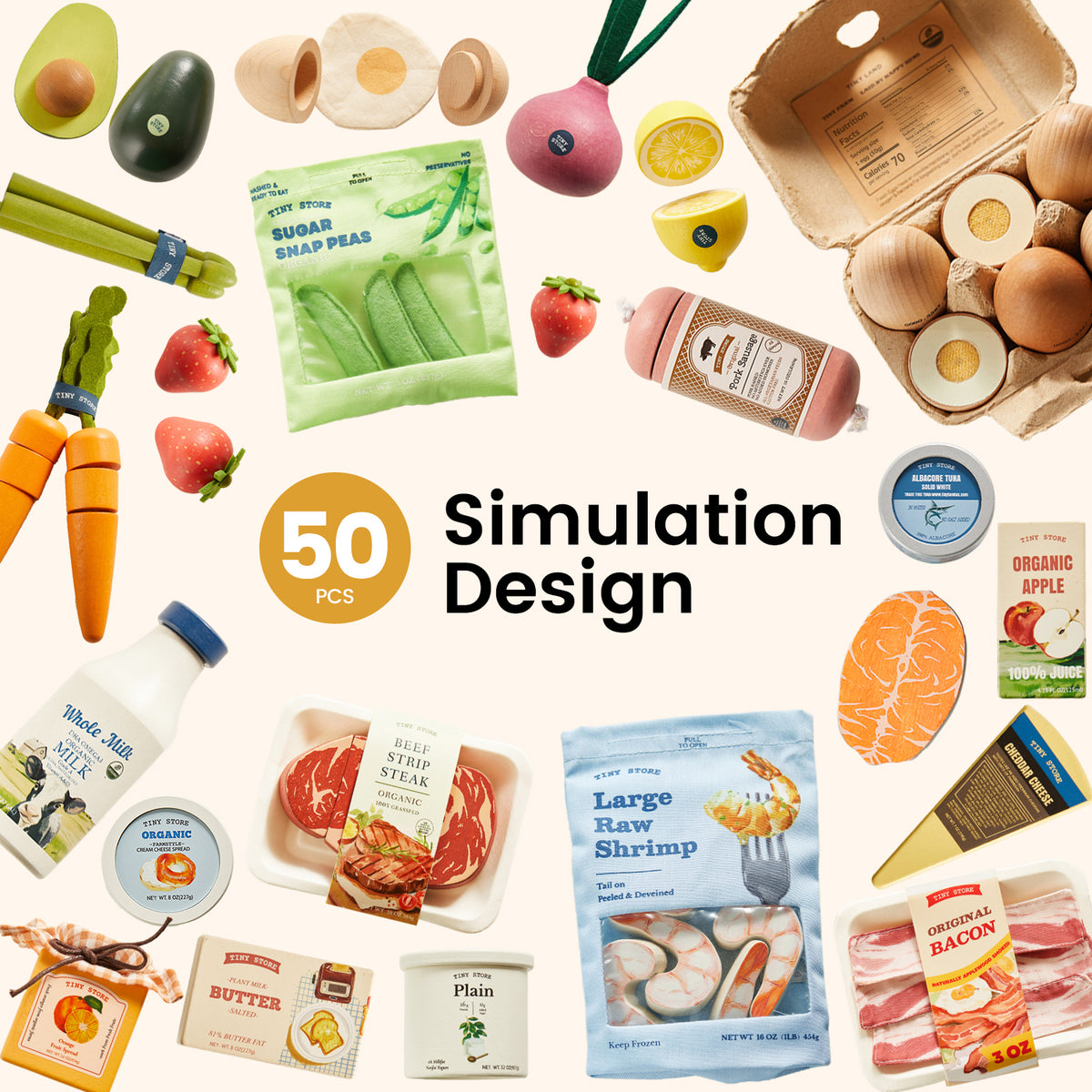
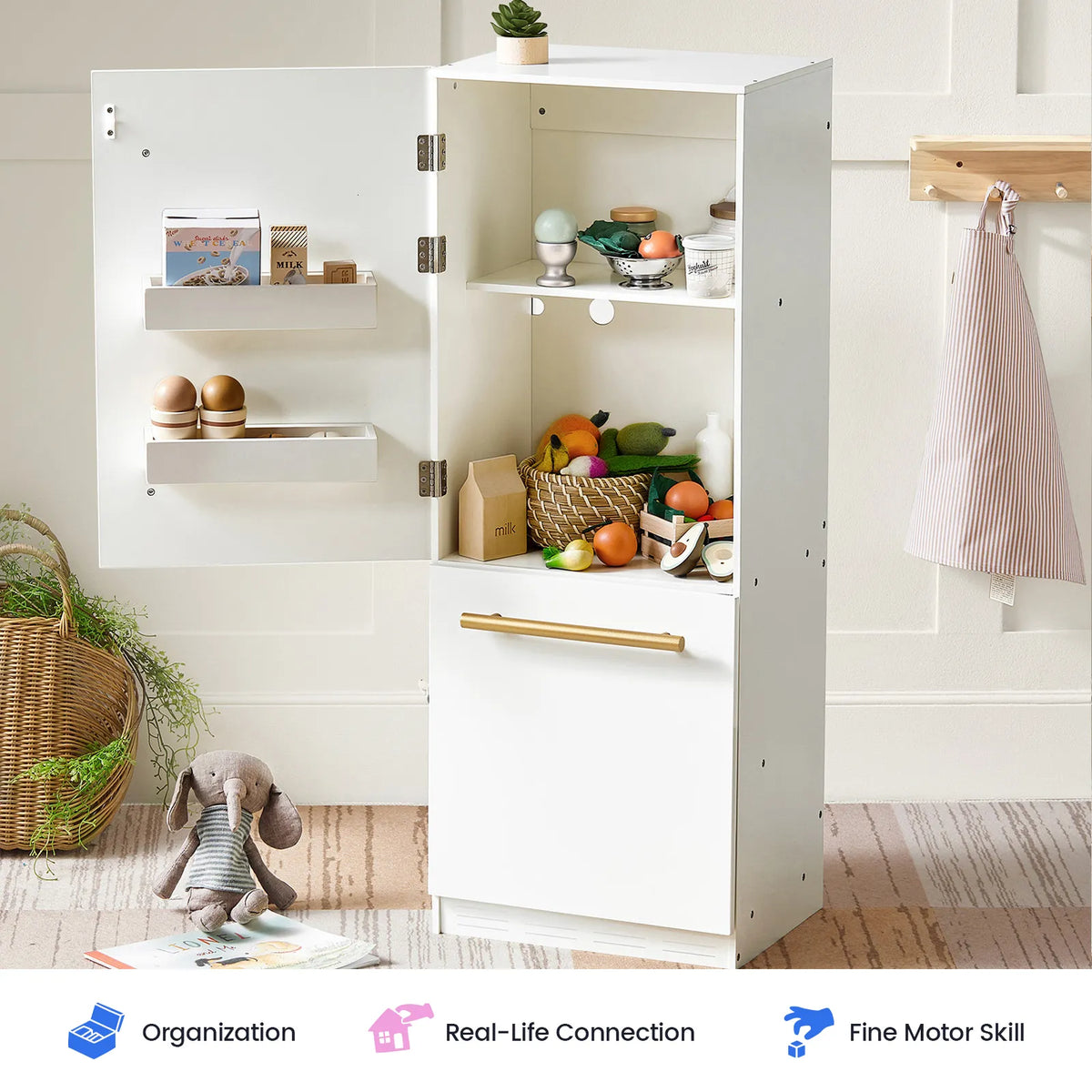
For example, placing a few pretend foods, cups, and utensils next to a play kitchen immediately suggests a possible play scenario.
Try this:
- Keep a small selection of frequently used toys visible.
- Place appropriate materials within your child's line of sight.
- Group toys that are commonly used together.
- Use open baskets for frequently used accessories.
- Rotate toys rather than displaying everything at once.
Tiny Land Playroom Idea: Create a Pretend-Play Station
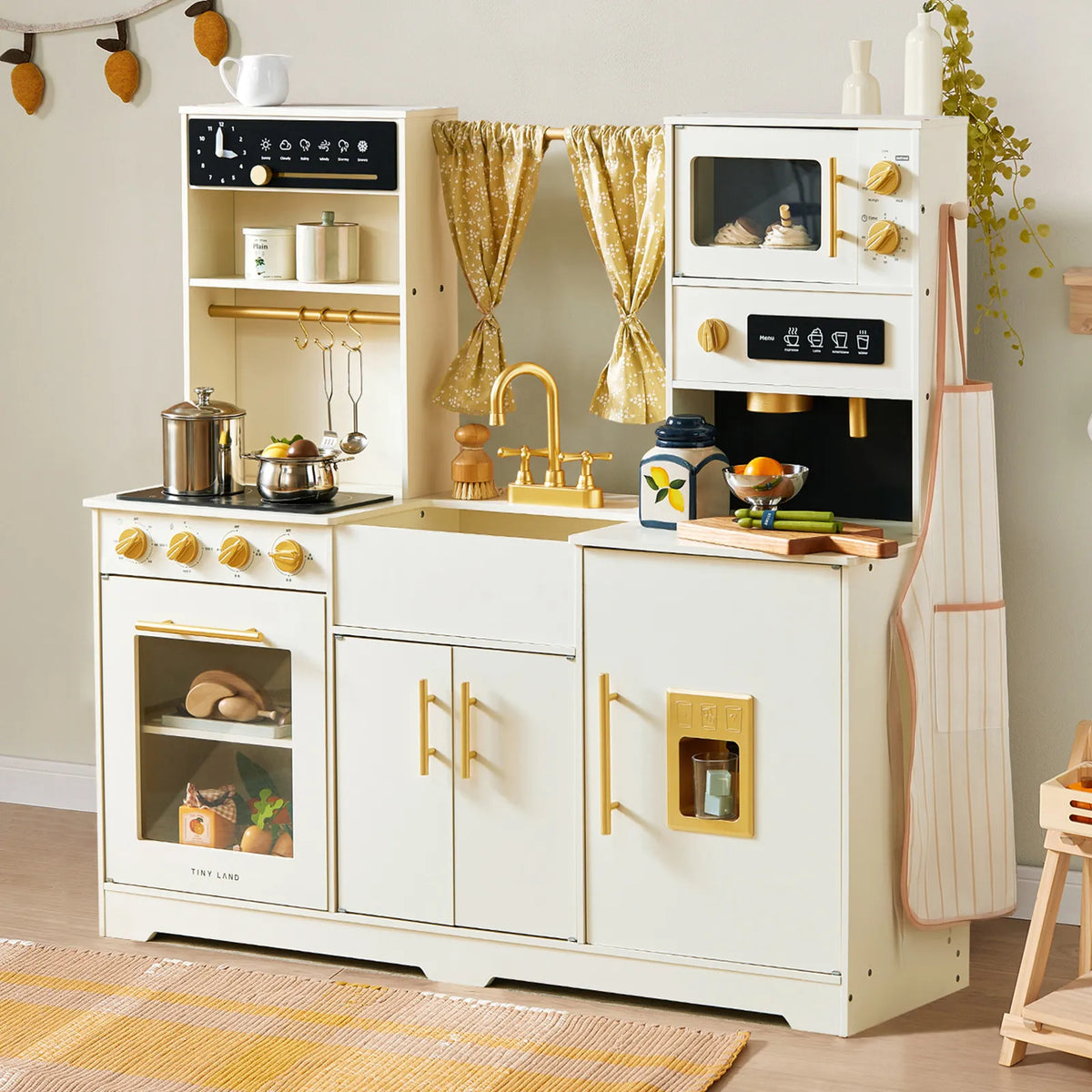
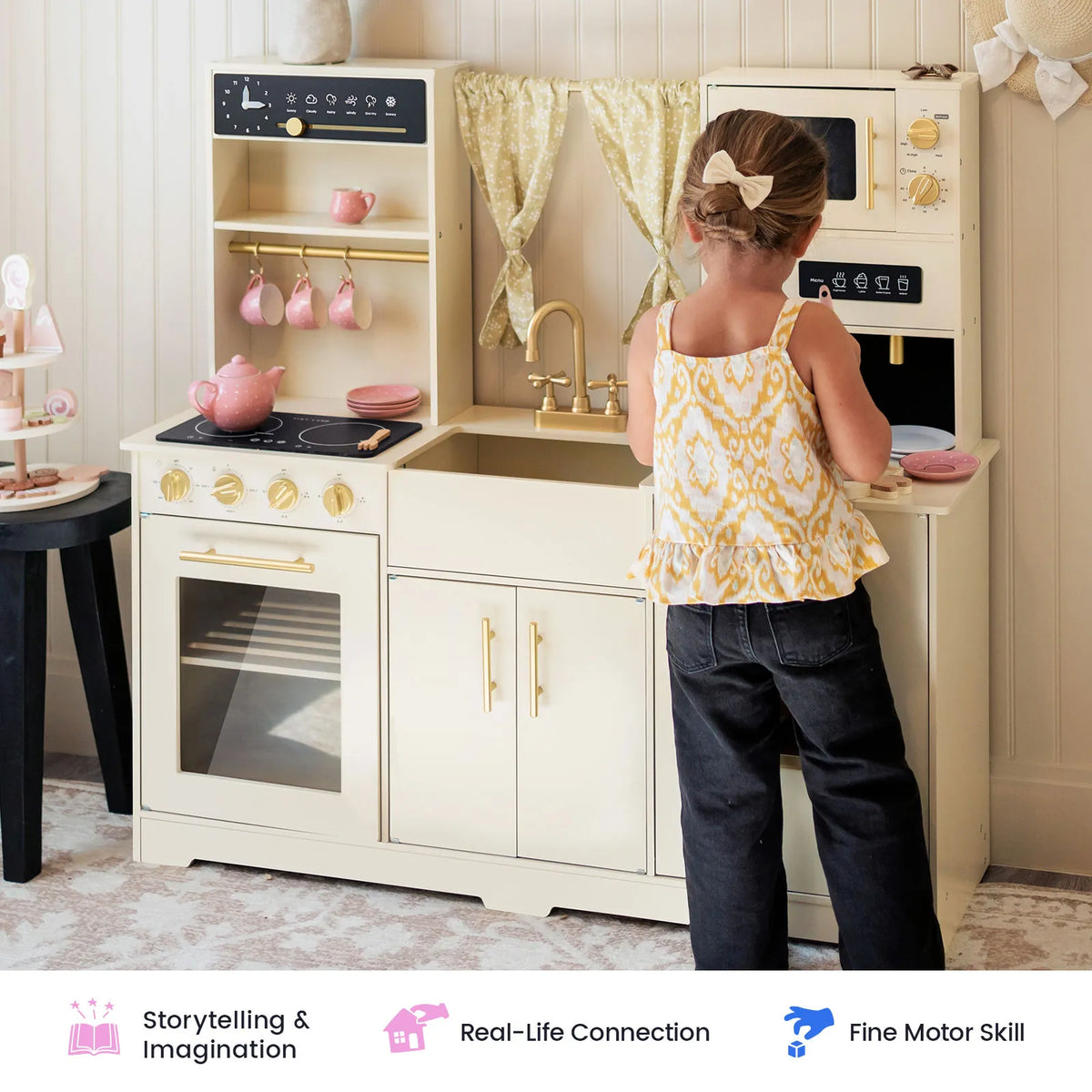
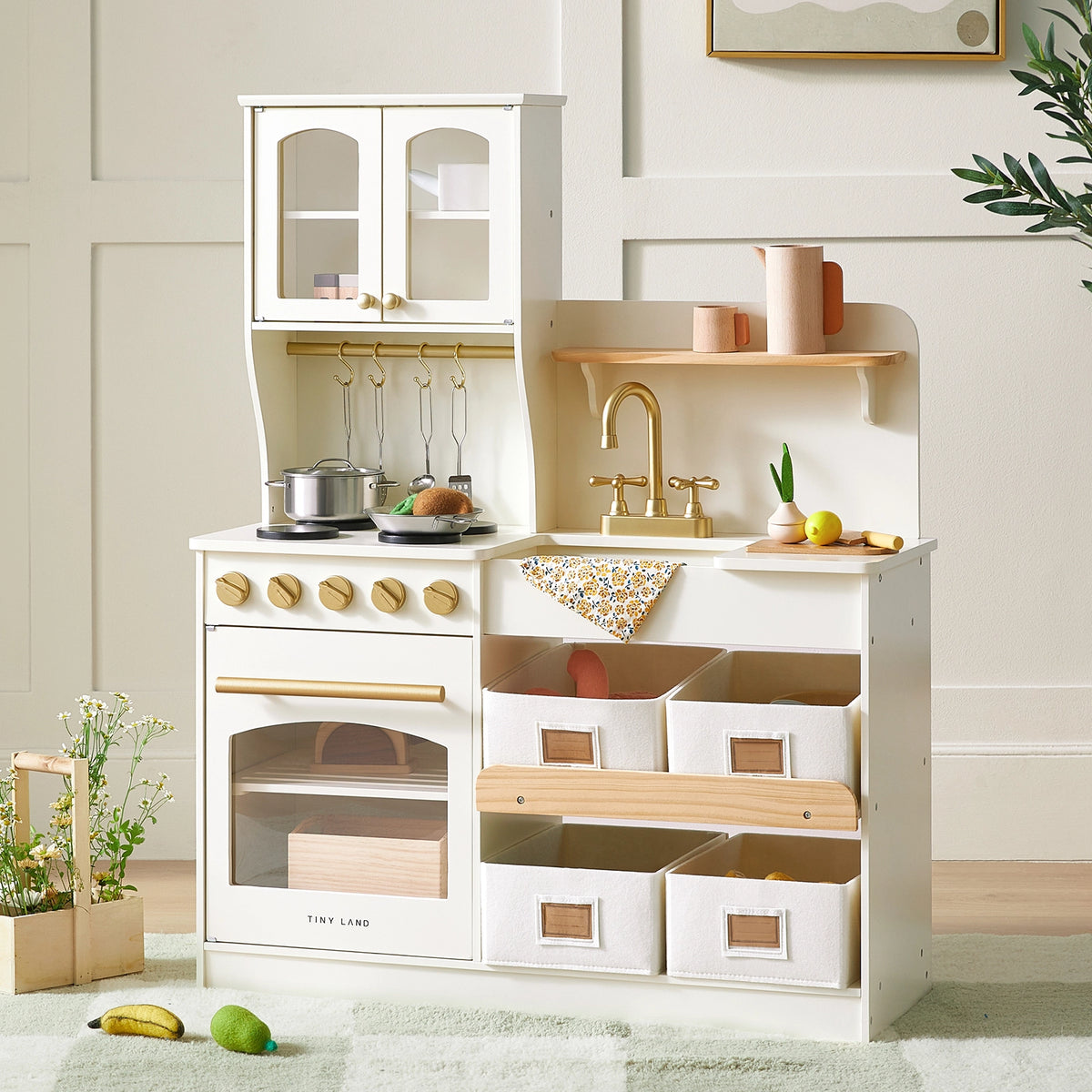
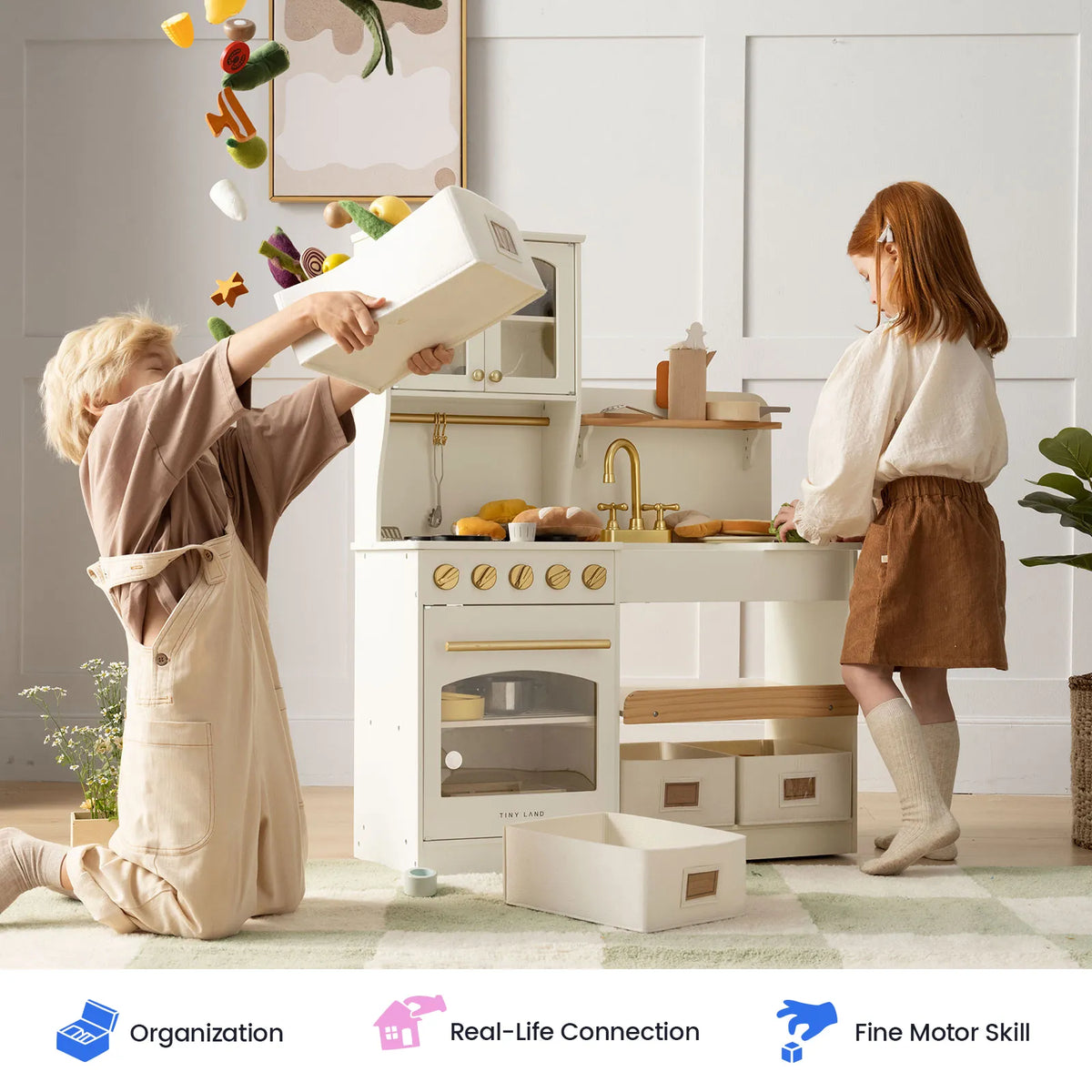
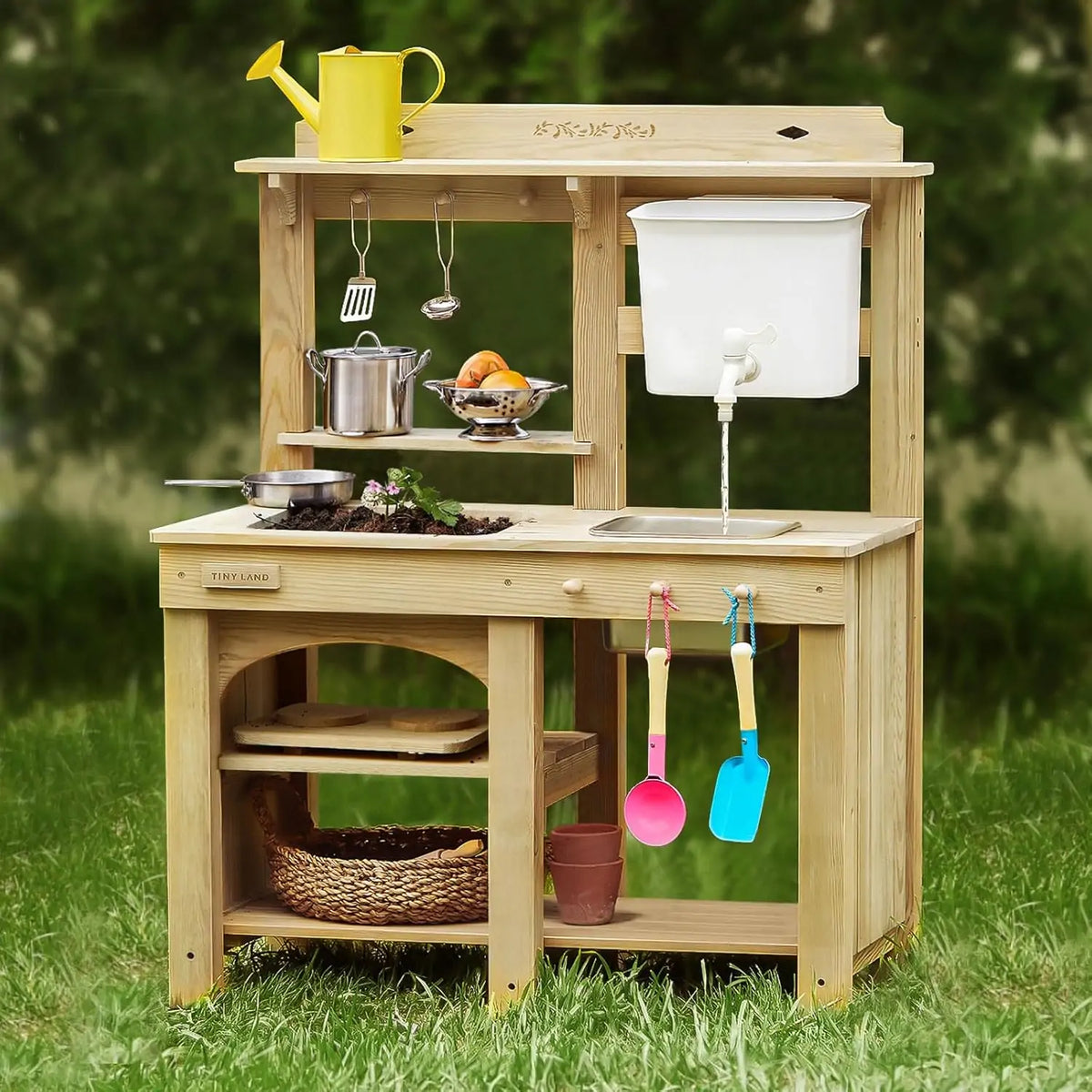
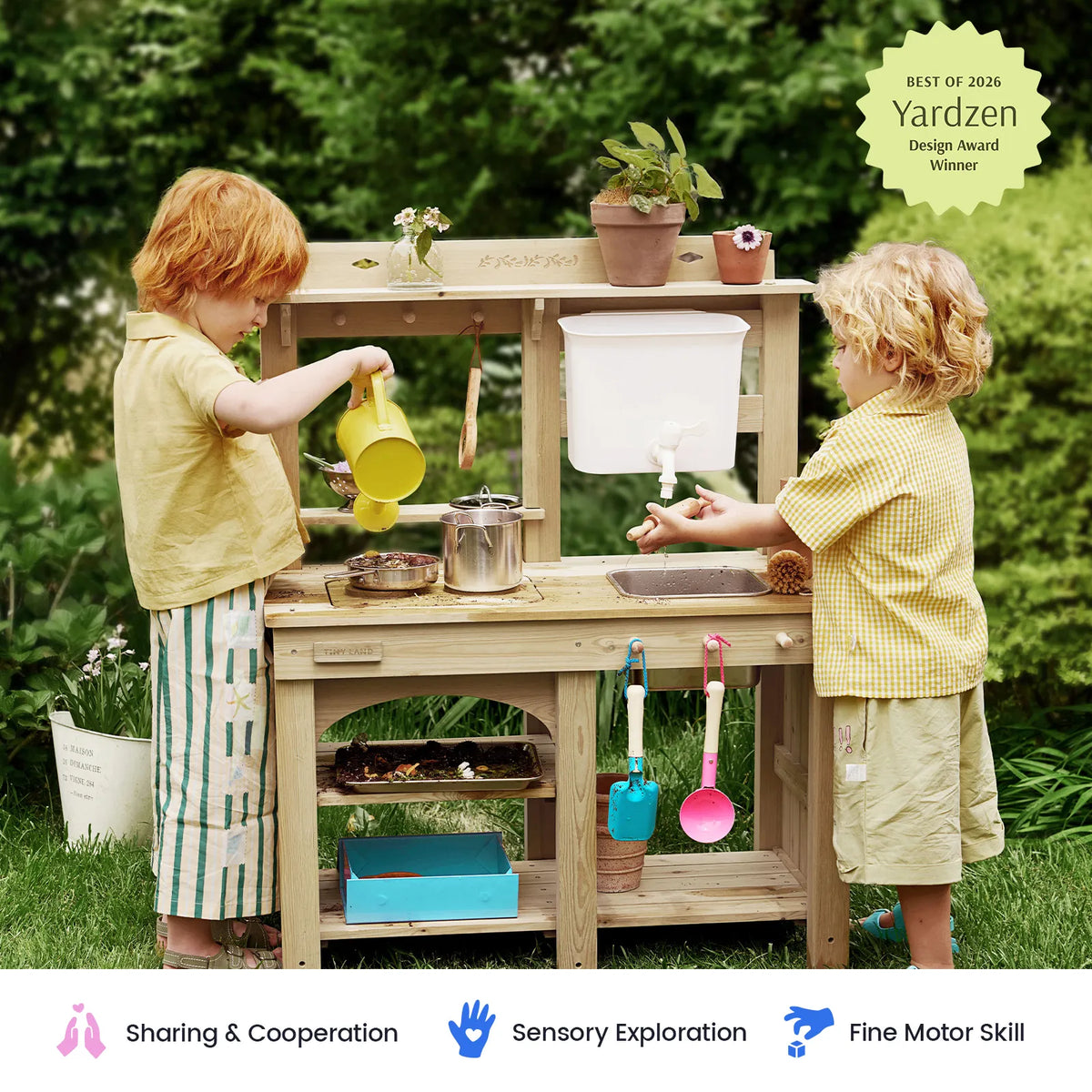
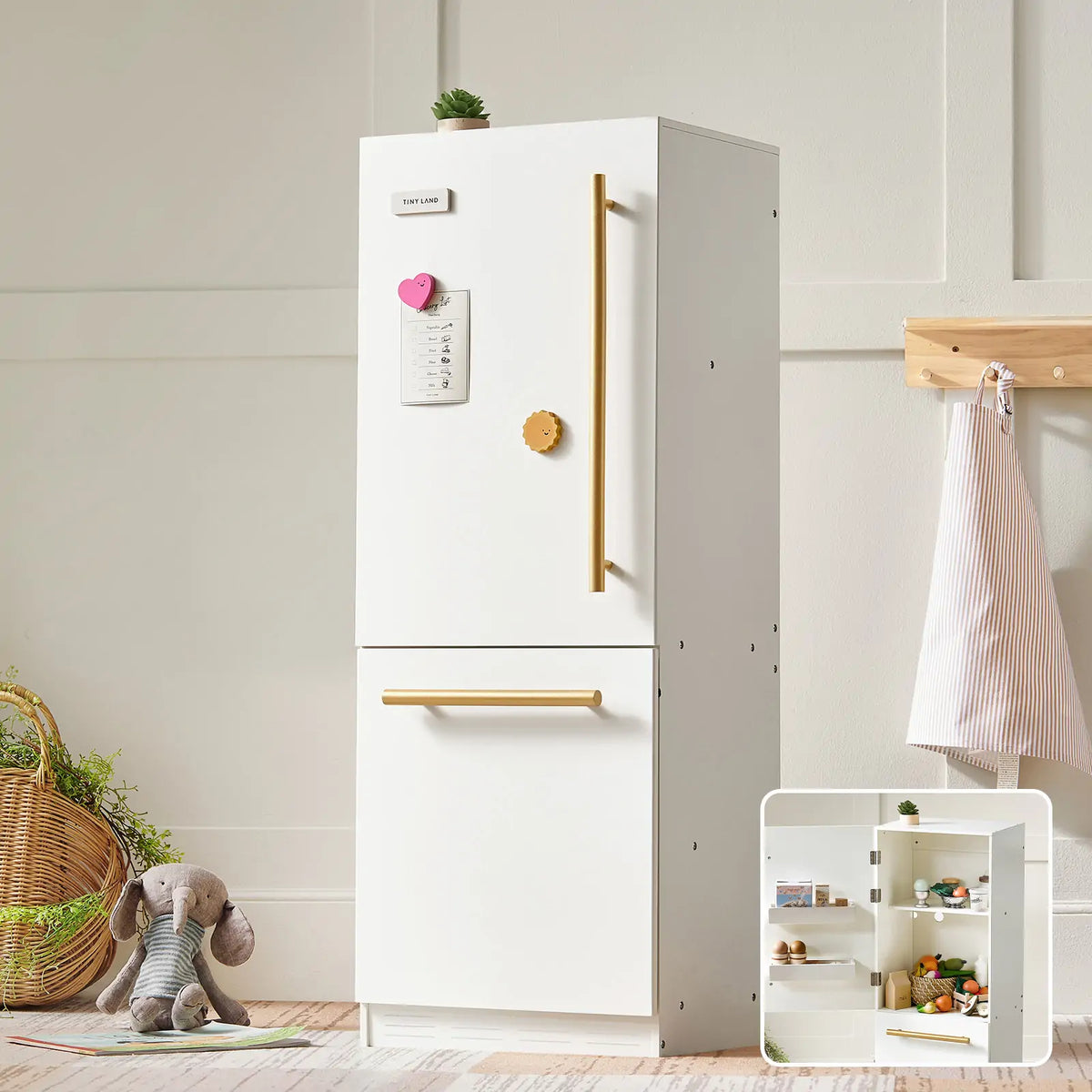
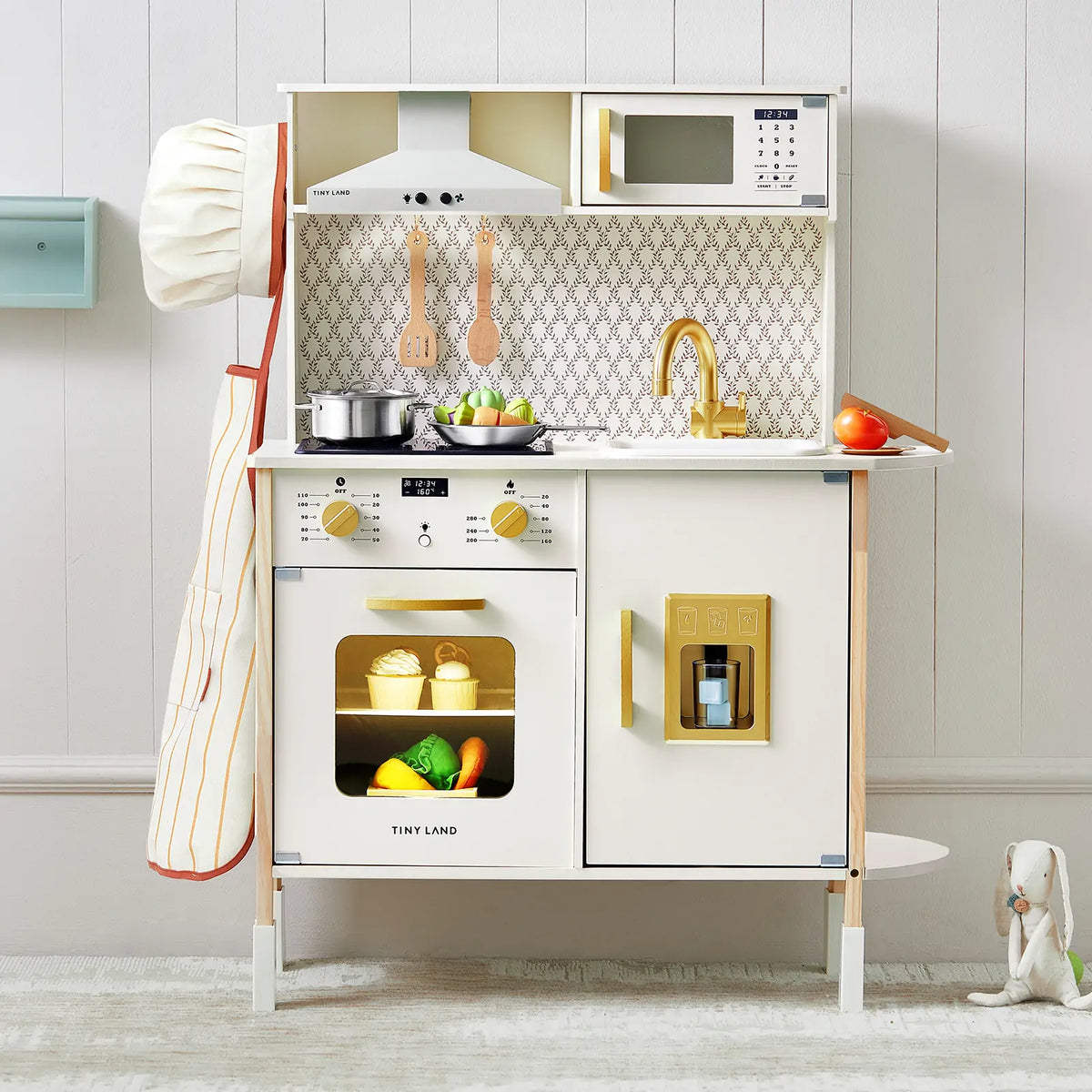
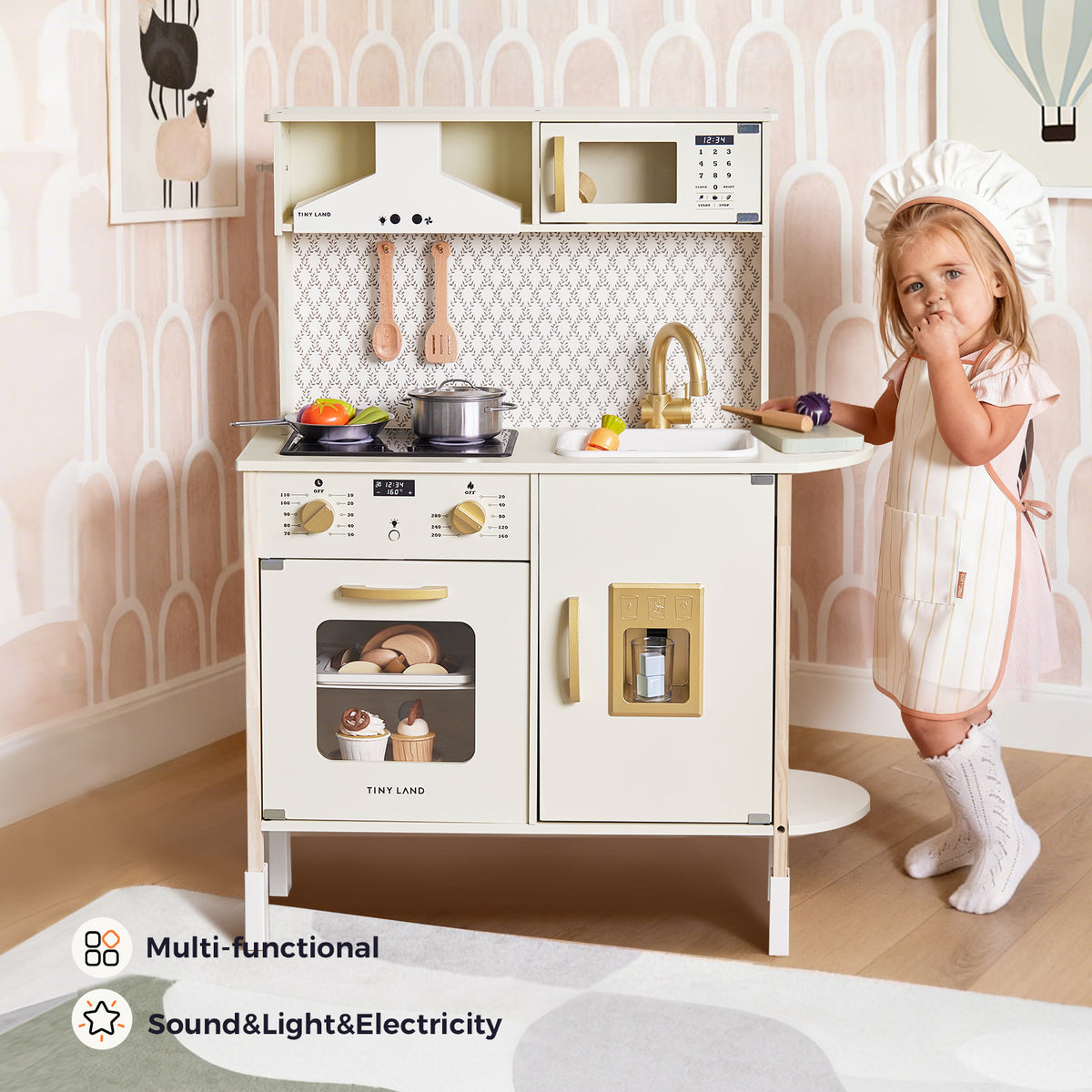
A Tiny Land Play Kitchen can become more than a single toy when related materials are visible and organized around it.
Add pretend food, cups, plates, and cooking accessories nearby.
Suddenly, your child isn't just seeing a kitchen.
They're seeing possibilities:
“I can cook.”
“I can make breakfast.”
“I can open a restaurant.”
That's one of the strengths of pretend play: the same materials can support many different stories.

2. REACH: Can Your Child Access the Toys?
The problem: Visible doesn't always mean accessible.
A toy can be easy to see but difficult for a young child to use independently.
If your child needs to ask an adult to reach something, move a heavy container, or wait for help before starting an activity, the environment is adding friction.
The goal isn't to make every toy accessible to every child.
Safety, age, developmental stage, and the type of material should always guide what children can access independently.
Instead, look at the toys your child uses most often.
Ask yourself:
Ask yourself:
- Can my child reach appropriate toys without help?
- Can they carry the materials safely?
- Do they know where to find their favorite activities?
- Is the play area designed around their size and abilities?
Child-sized furniture can also help define spaces around children's activities.
Tiny Land Playroom Idea: Create Clear Activity Zones
A Tiny Land Play Kitchen or Tiny Land Market Stand can create a defined pretend-play area.
Instead of having pretend-play materials scattered throughout the room, the furniture itself helps communicate:
“This is where my pretend play happens.”
A clearly defined space can make it easier for children to understand where an activity starts—and where its materials belong.

3. START: Does the Toy Take Too Long to Set Up?
The problem: The activity requires too many steps.
Sometimes children aren't rejecting a toy.
They're rejecting the amount of work required to get started.
Imagine your child wants to play café.
They need to find:
- a coffee machine
- cups
- pretend food
- plates
- utensils
- and perhaps a table
If everything is stored in different parts of the room, the activity becomes harder to begin.
For young children, a play environment with fewer unnecessary steps can make independent play more approachable.
Try creating “ready-to-play” zones.
Keep materials that belong to the same activity together.
For example:
- Cups
- Plates
- Pretend food
- Spoons
- Simple menus
Building Basket
- Blocks
- Construction pieces
- Small vehicles
Creative Play Basket
- Paper
- Crayons
- Stickers
- Other age-appropriate materials
The goal isn't to remove all setup.
The goal is to make the first step obvious.
Tiny Land Playroom Idea: Turn a Toy Into a Play Scenario
A children's coffee machine sitting alone on a shelf is one object.
A coffee machine paired with cups, pretend food, and a play counter can become a pretend café.
The difference is the play context.
The Tiny Land Wooden Kids' Coffee Machine can be incorporated into a larger pretend-play setup where children can explore familiar routines, roles, and stories.
The same idea applies to a play kitchen.
A kitchen can become:
- a family kitchen
- a bakery
- a restaurant
- a cooking school
- a pretend café
The product provides the setting.
The child creates the story.

4. CHOOSE: Are There Too Many Toys Available at Once?
The problem: A full playroom can create too many choices.
More toys don't automatically mean more play.
When children see dozens of objects at once, it can be difficult to decide where to begin.
A simple solution is toy rotation.
Toy rotation doesn't mean permanently removing toys. It means keeping a manageable selection available and changing the selection based on your child's interests.
Try organizing toys by play type:
- Play kitchen
- Market stand
- Coffee machine
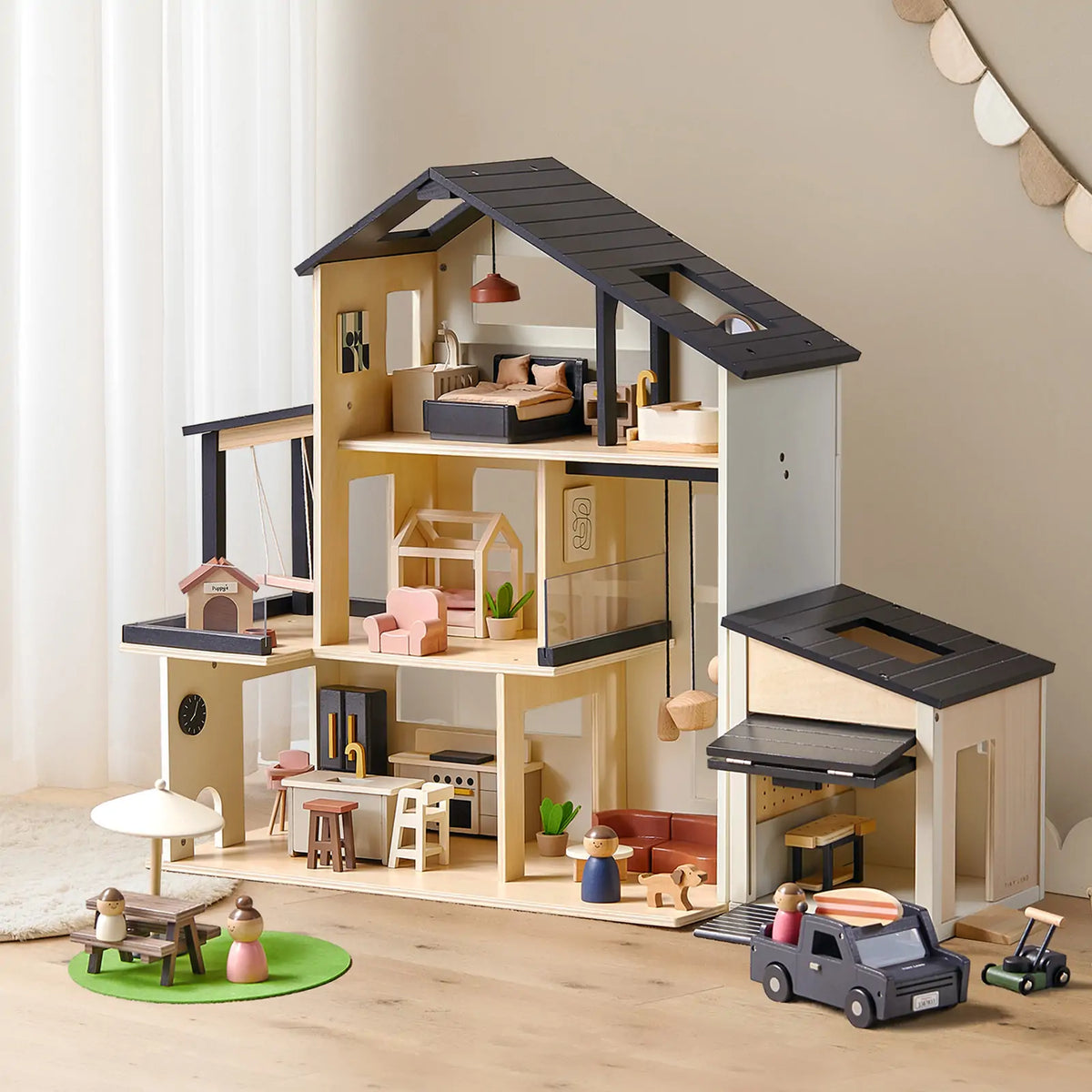
- Dollhouse
- Pretend food
- Climbing equipment
- Balance activities
- Movement toys
- Books
- Puzzles
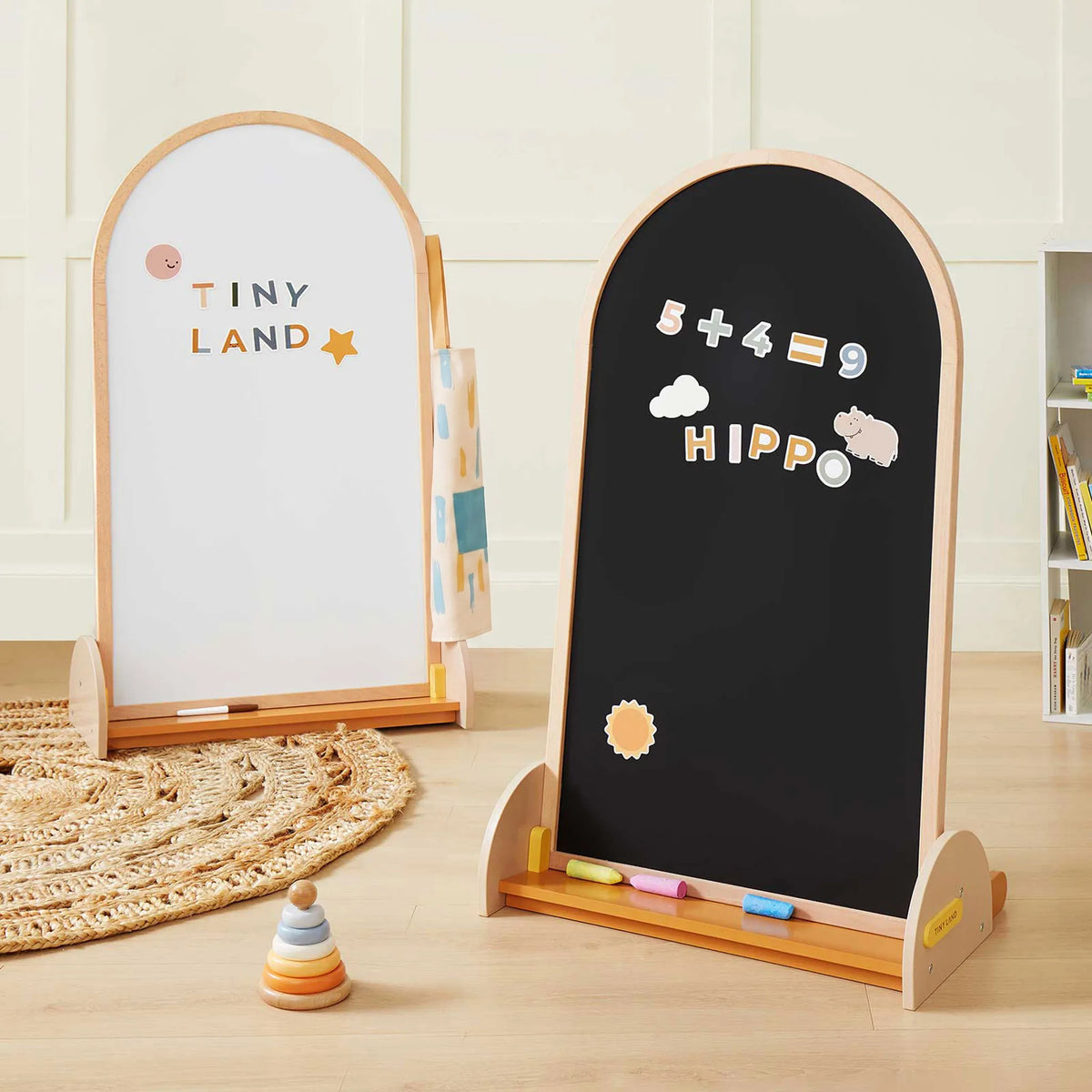
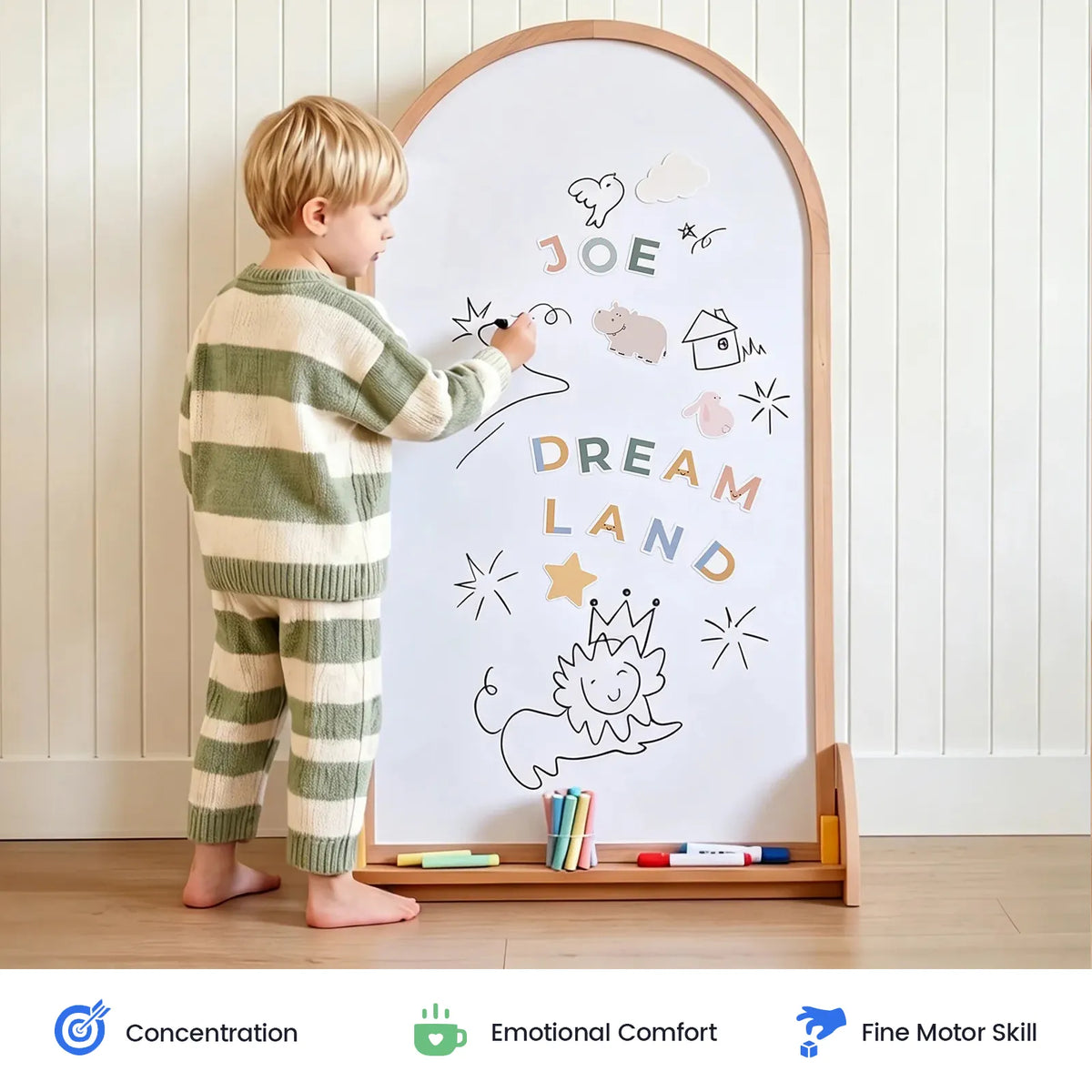
- Drawing materials
- Soft seating
- Cozy spaces
This approach can help transform a crowded toy collection into a more intentional play environment.

Organize Toys by How Children Play
Instead of organizing every toy according to its product category, consider organizing your playroom around play experiences.
|
Play Experience |
Possible Materials |
|
Pretend |
Play kitchen, market stand, coffee machine |
|
Storytelling |
Dollhouse, dolls, pretend accessories |
|
Movement |
Pikler Triangle, climbing equipment |
|
Creative |
Art materials, open-ended toys |
|
Quiet & Cozy |
Play couch, tent, books |
This can also make toy rotation easier.
For example, you might keep several pretend-play materials available while temporarily storing some building or art materials.
The goal isn't to create a rigid schedule.
It's to make the play environment easier for your child to navigate.

5. CLEAN: Is Cleanup Too Difficult?
The problem: The end of play feels overwhelming.
A playroom doesn't need to be perfectly organized.
But if cleanup requires an adult to sort dozens of tiny pieces into complicated categories, children may struggle to participate.
Try making storage simple enough that your child can understand the system.
Instead of:
20 small containers with highly specific categories
try:
- Pretend Play Basket
- Building Basket What If Your Child Still
- Dollhouse Basket
- Art Basket
The categories don't need to be perfect.
They need to be understandable.
Ask one simple question:
“Could my child figure out where this belongs without asking me?”
If the answer is yes, your storage system is probably supporting independence.

Storage Should Support Play—Not Just Hide Toys
Good toy storage isn't only about making a room look tidy.
It should help children understand:
- What is available?
- Where can I find it?
- Where does it go when I'm finished?
Think of storage as part of the play environment.
- For a pretend-play area, accessories can stay together in one accessible basket.
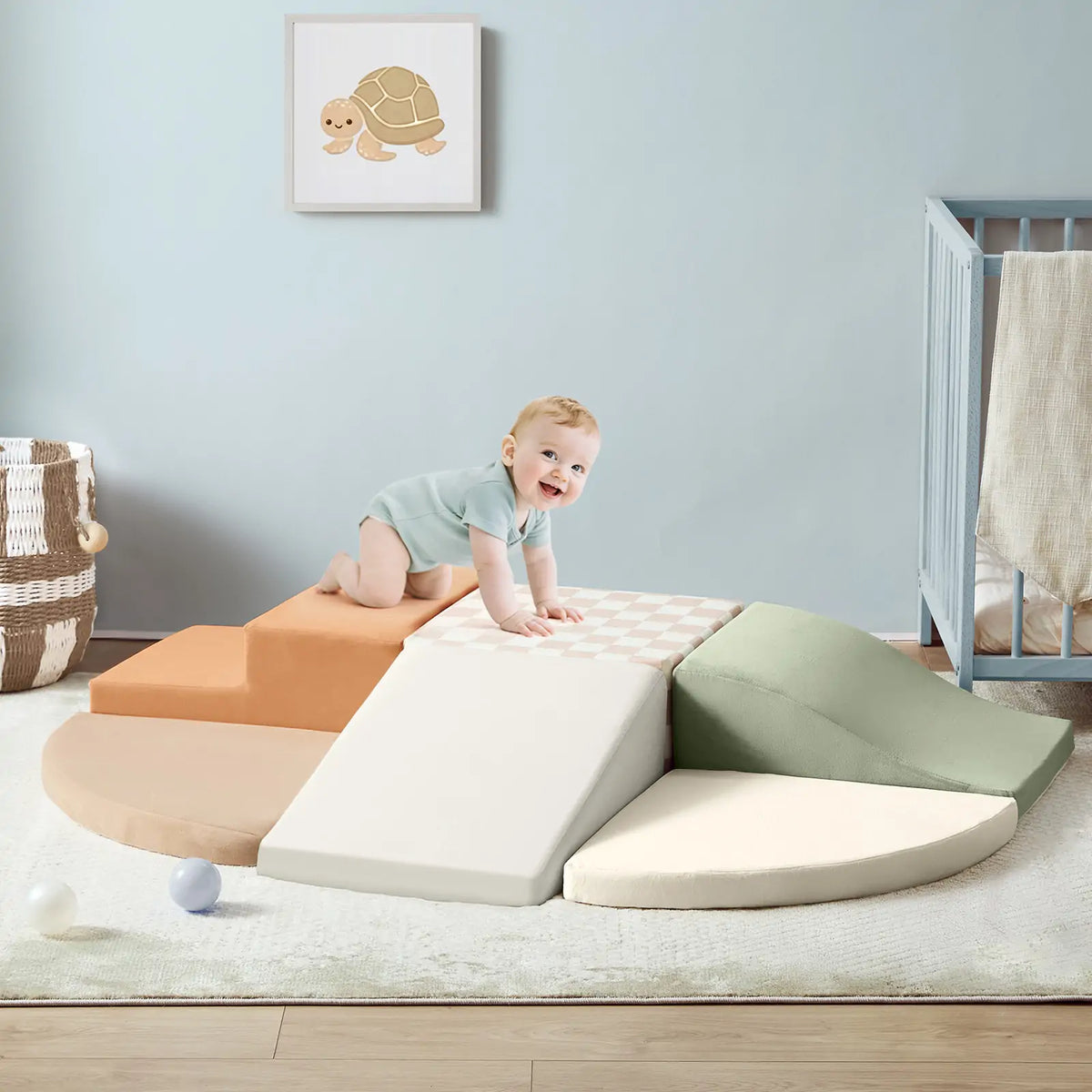
- For a movement area, keeping the floor relatively open can make physical play easier.
- For a quiet corner, books and cozy materials can remain together.
The goal is to create clear play zones, rather than filling every available space with toys.

Why the Play Environment Matters
A useful play environment doesn't need to tell children exactly what to do.
Instead, it can provide enough structure for children to understand their options while leaving room for imagination.
This is where thoughtful playroom design and open-ended play can work together: the environment provides accessible materials and clear possibilities, while the child decides what to do with them.

What If Your Child Still Ignores the Toy?
Even after reorganizing your playroom, some toys may remain unpopular.
That's completely normal.
Children's interests change.
A toy that was exciting six months ago may not match what your child is interested in today.
Before deciding that a toy has “failed,” ask:
- Does my child know how to use it?
- Have they seen someone model a possible way to play?
- Can it be combined with another toy?
- Is it accessible?
- Is the play scenario clear?
- Does it match my child's current interests?
This is especially relevant for open-ended toys.
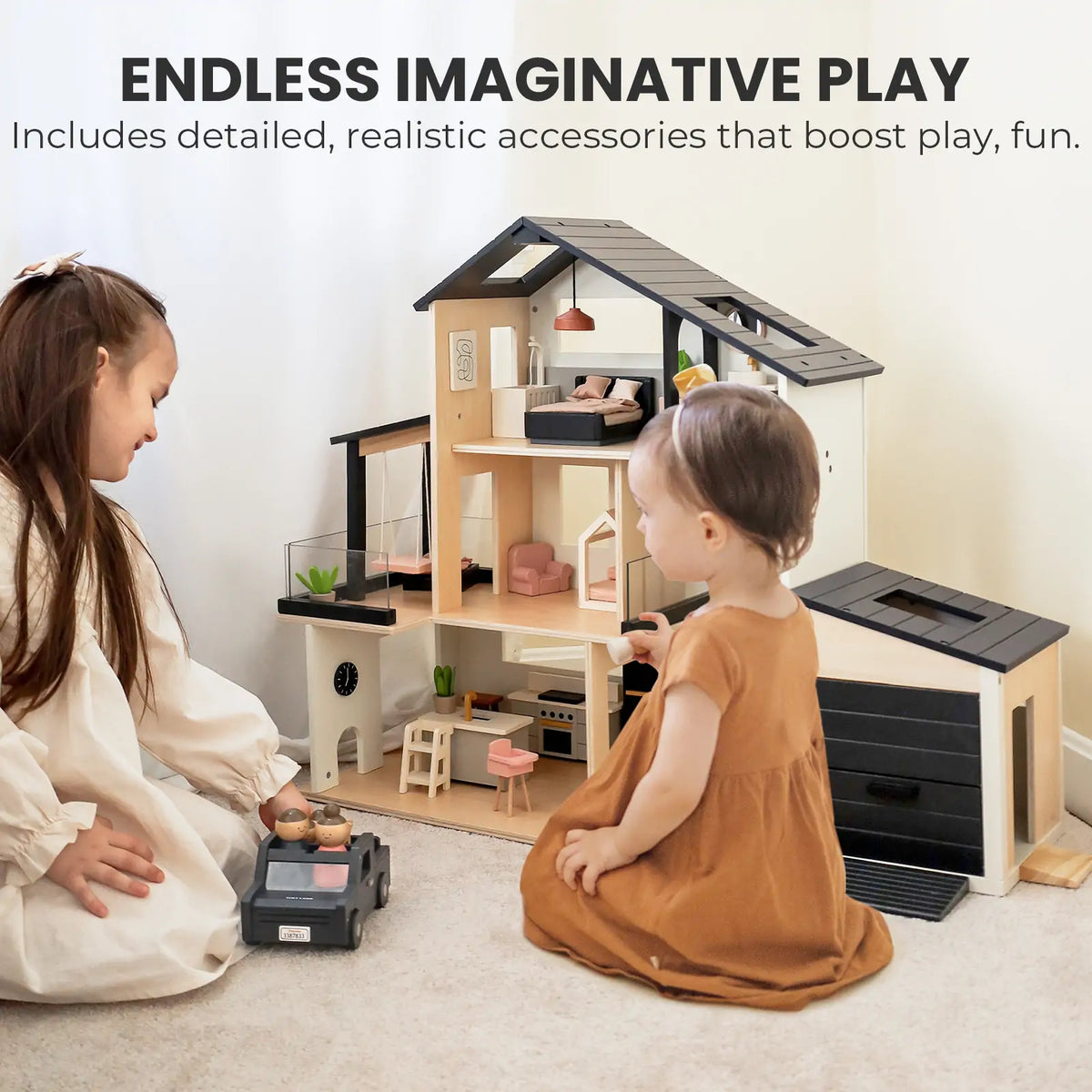
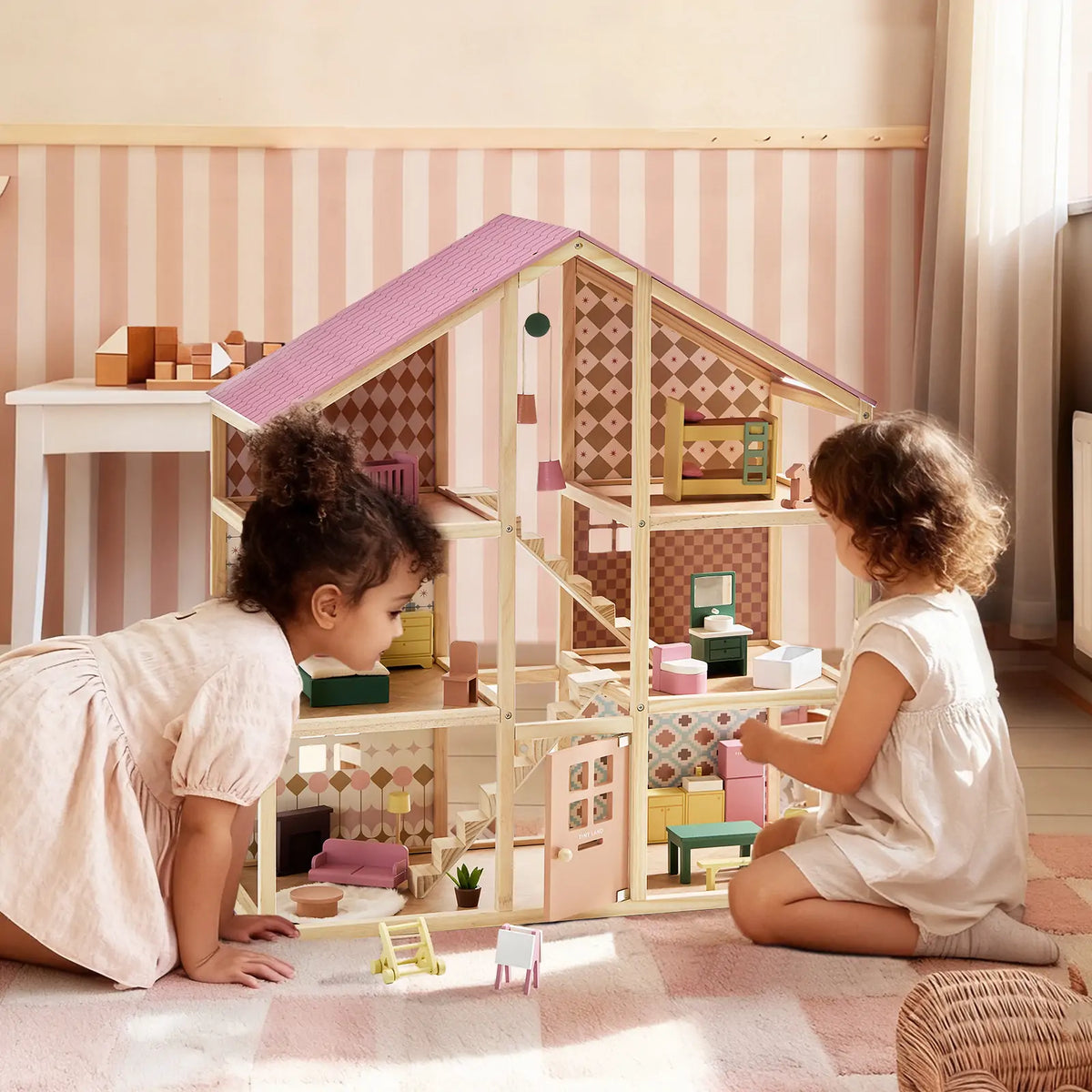
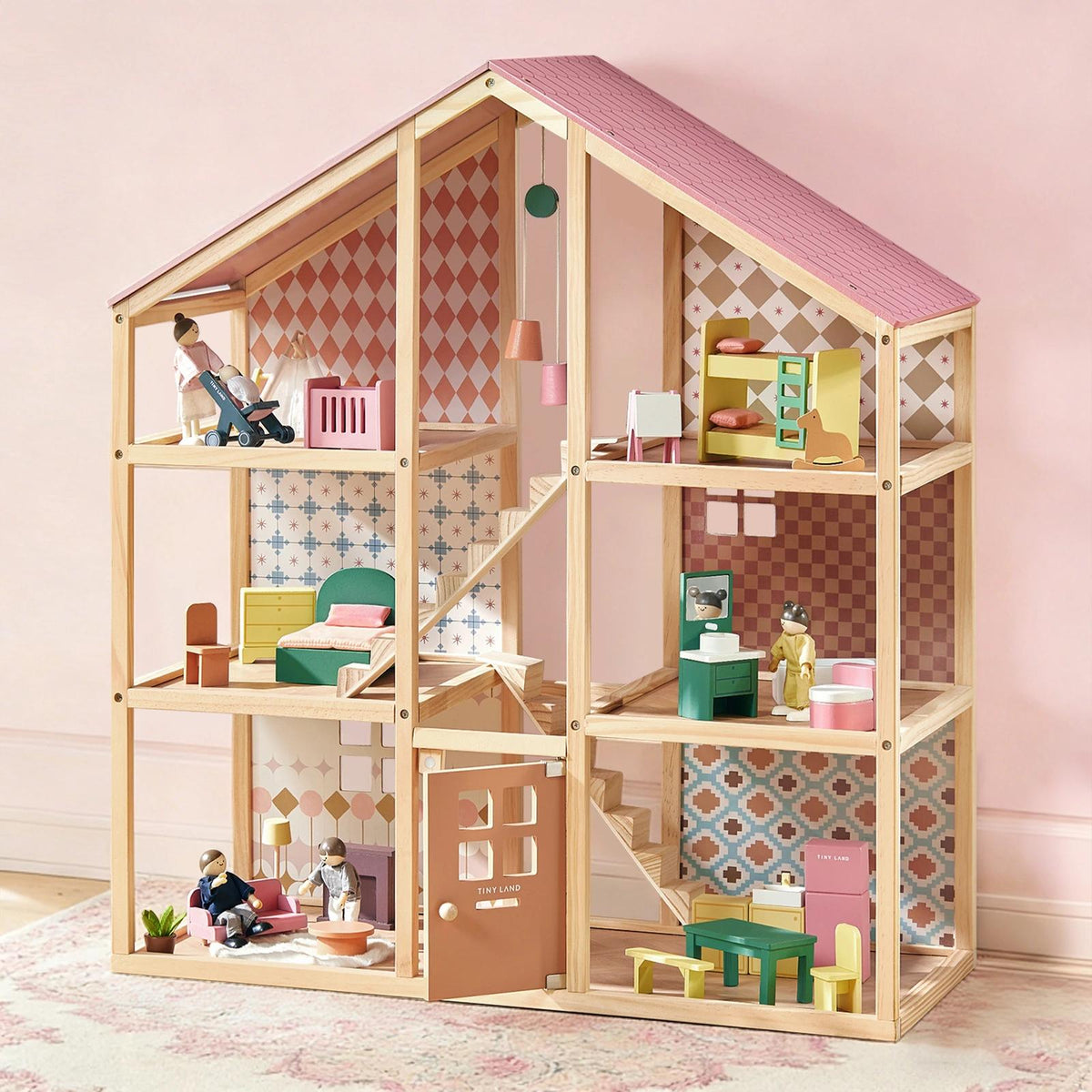
- A dollhouse can become a family home, a school, a hotel, or a completely imaginary world.
- A play kitchen can become a restaurant, bakery, or family kitchen.
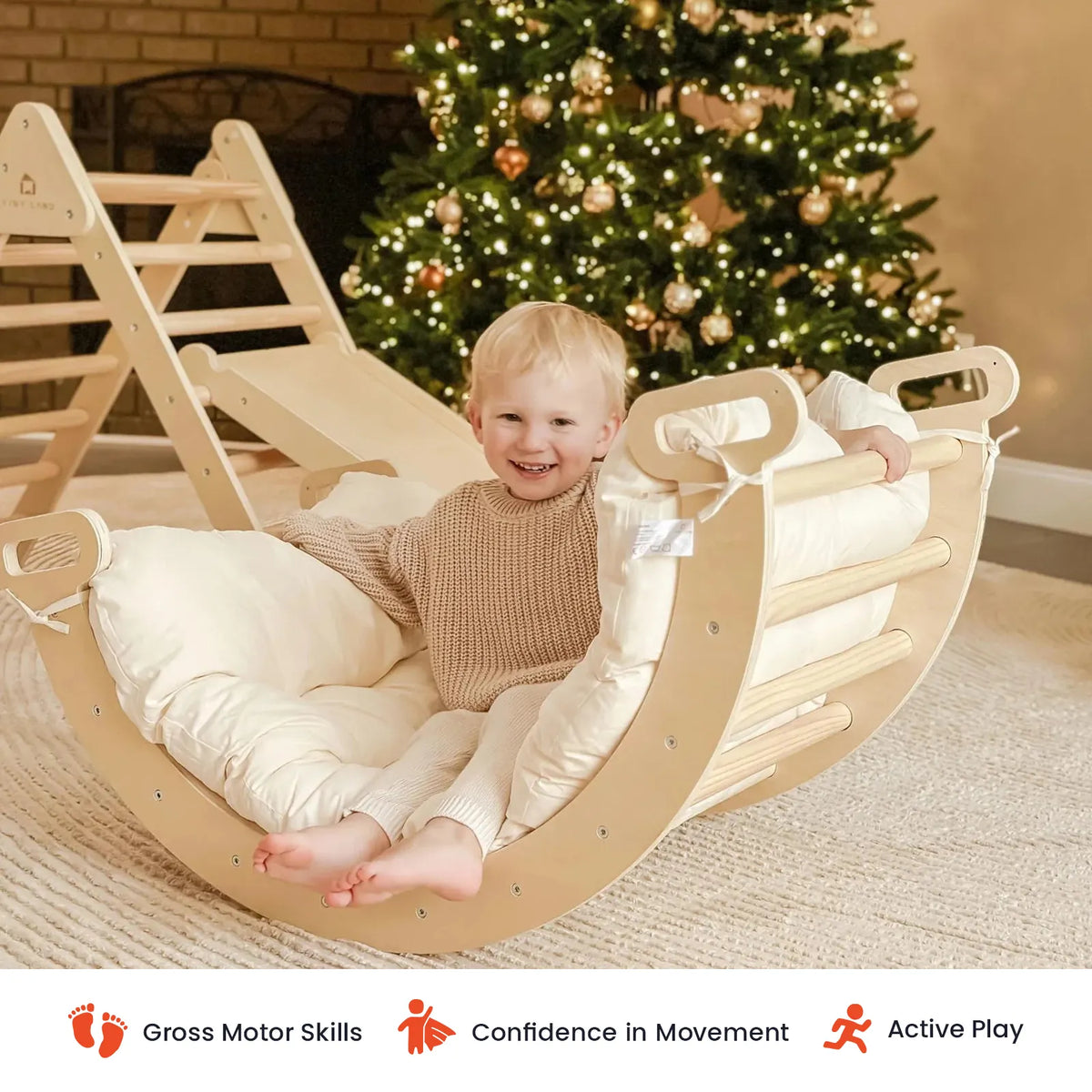
- A climbing set can become an opportunity for movement and physical exploration.
The child brings the story, challenge, or idea.
For Pretend PlayFor Pretend Play

How Tiny Land Designs for Real Play
At Tiny Land, we believe children's products should do more than fill a playroom.
They should help create opportunities for imagination, movement, pretend play, and meaningful family connection.
That's why Tiny Land products can work together as parts of a larger play environment.
For Pretend Play
A Tiny Land Play Kitchen can become a home kitchen, restaurant, bakery, or café.
Pairing it with pretend food and role-play accessories can create a ready-to-play pretend environment.
For Storytelling
A Tiny Land Dollhouse gives children a setting for creating characters, stories, and everyday-life scenarios.
The dollhouse doesn't determine the story.
The child does.
For Movement
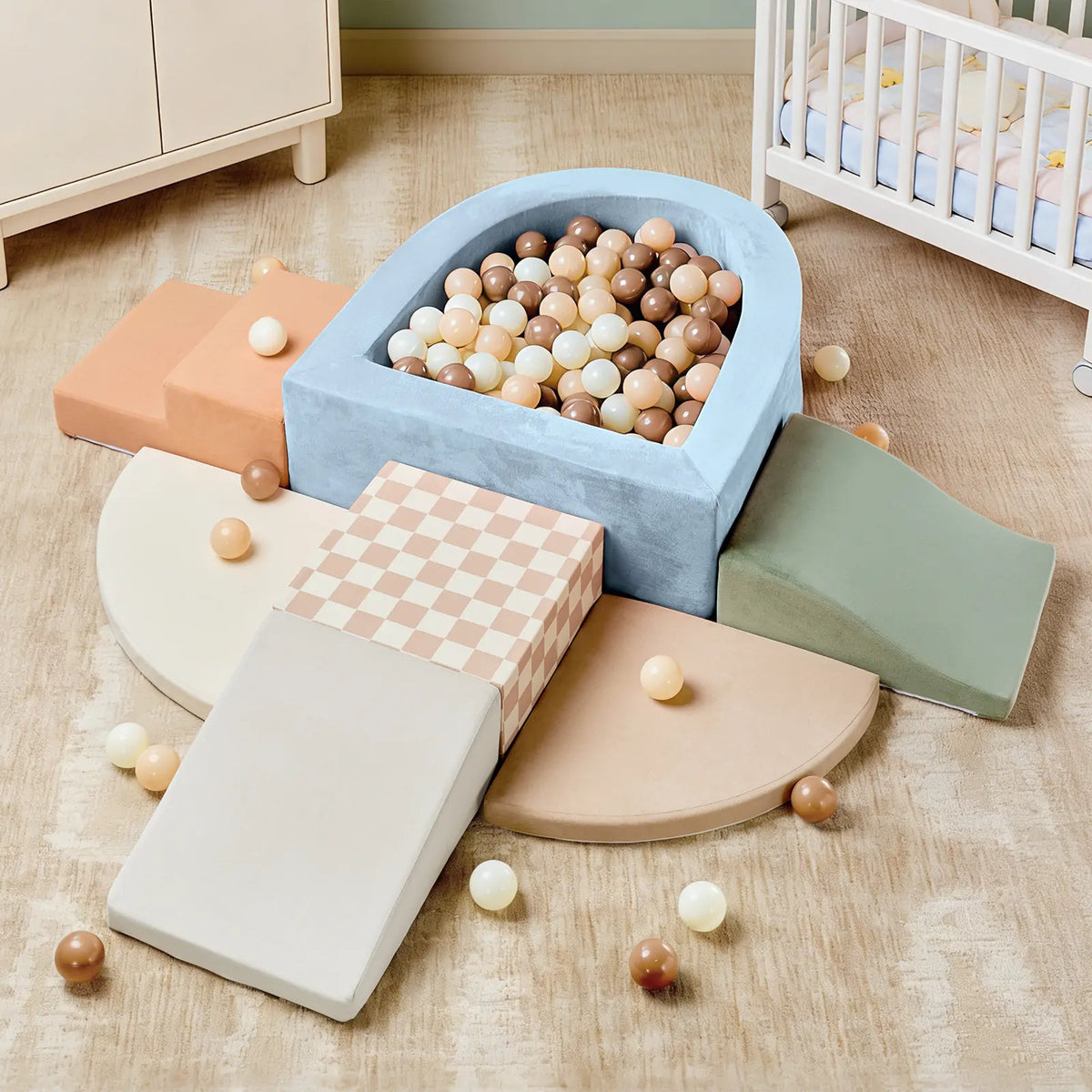
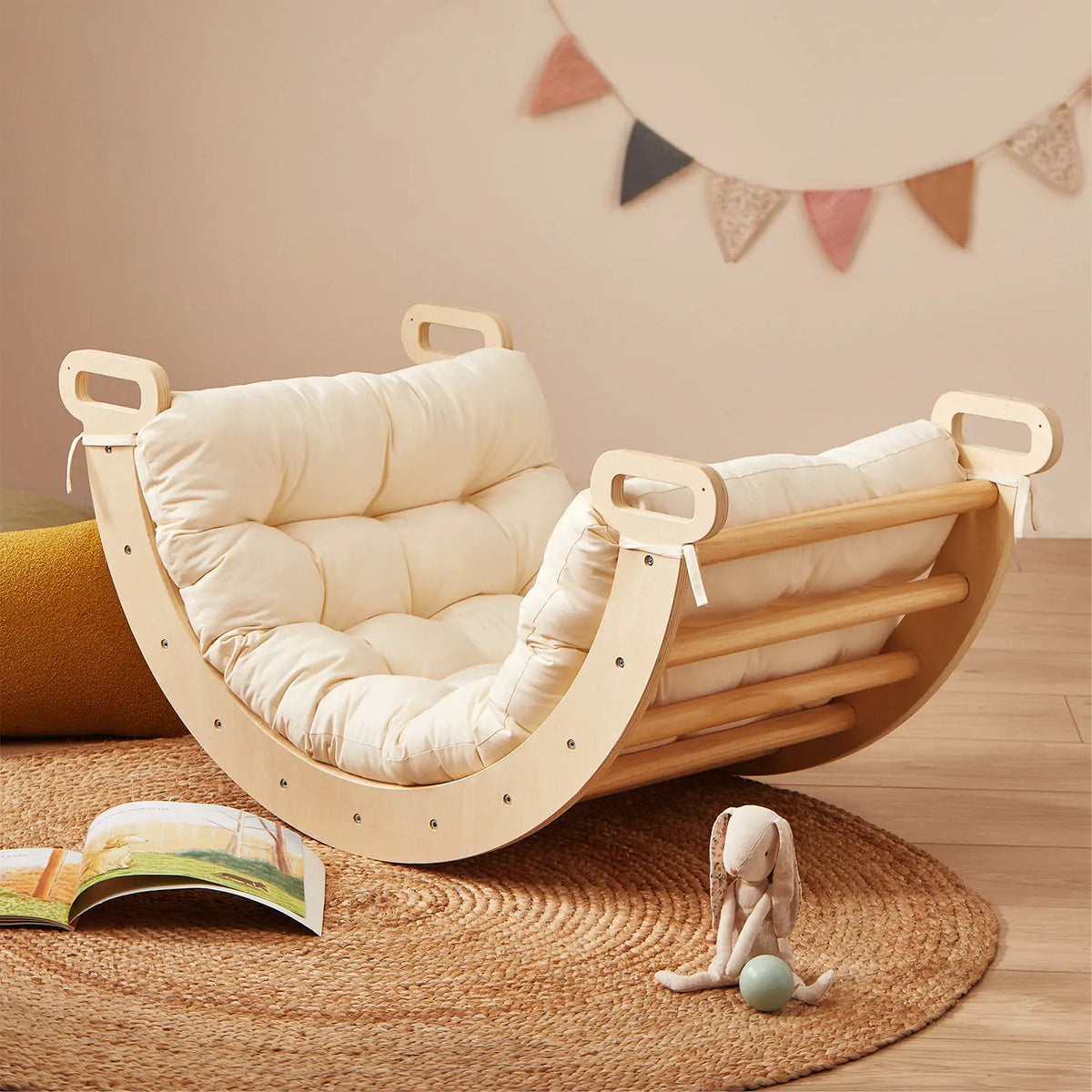
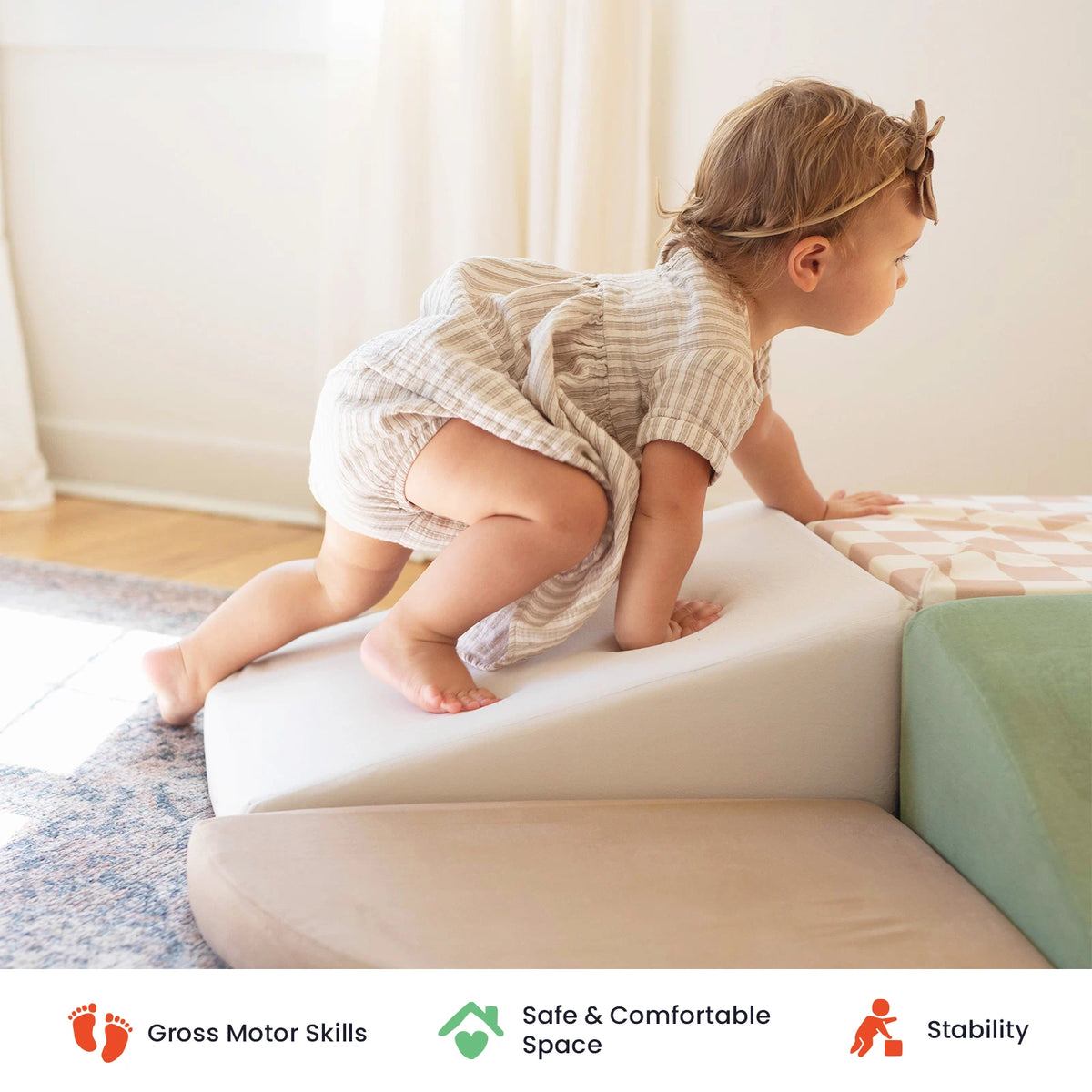
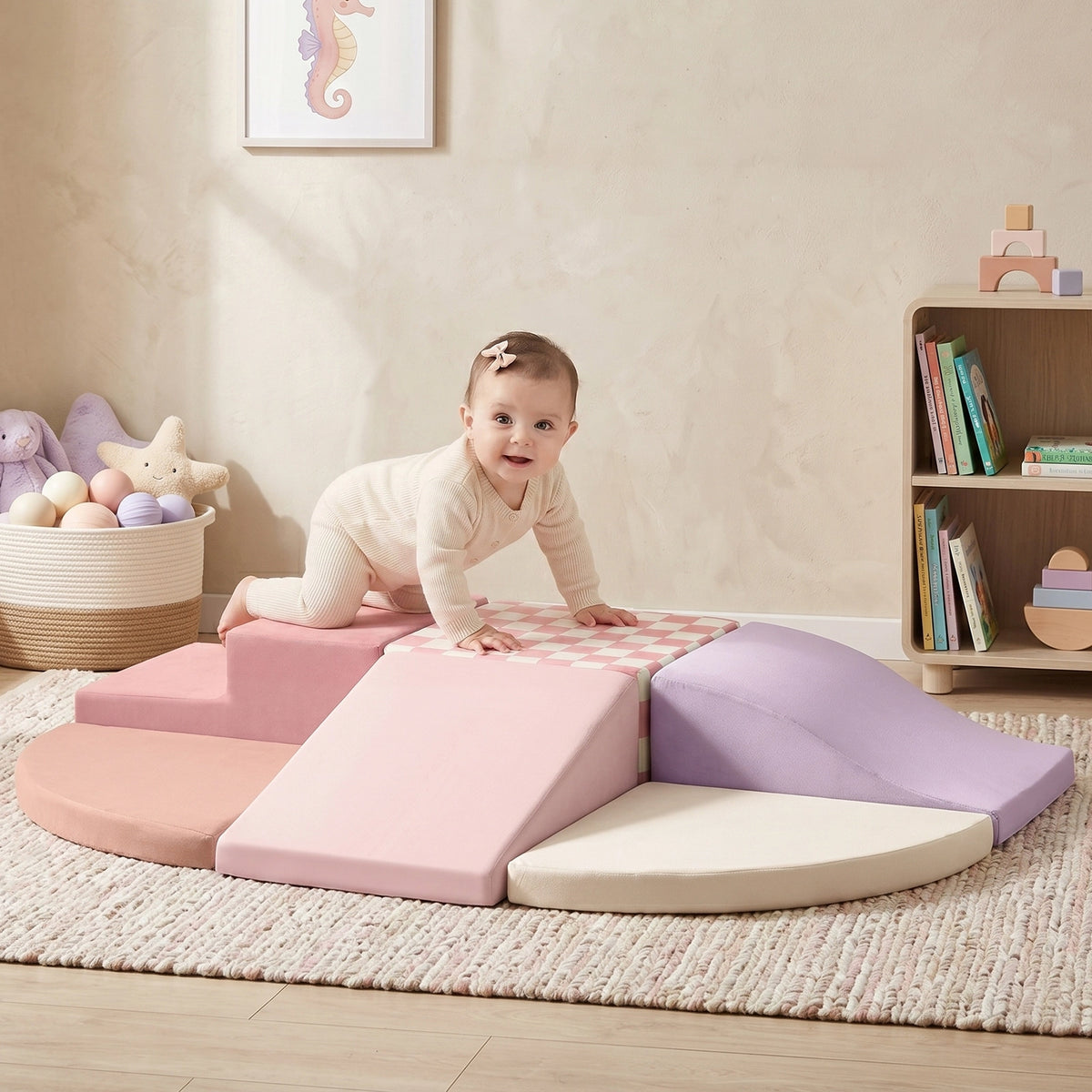
A Tiny Land 7-in-1 Montessori Climbing Set can create opportunities for climbing, movement, and physical exploration when used appropriately for the child's age, abilities, and environment.
Keeping the surrounding area relatively open can also help separate active play from quieter activities.
For Cozy Play
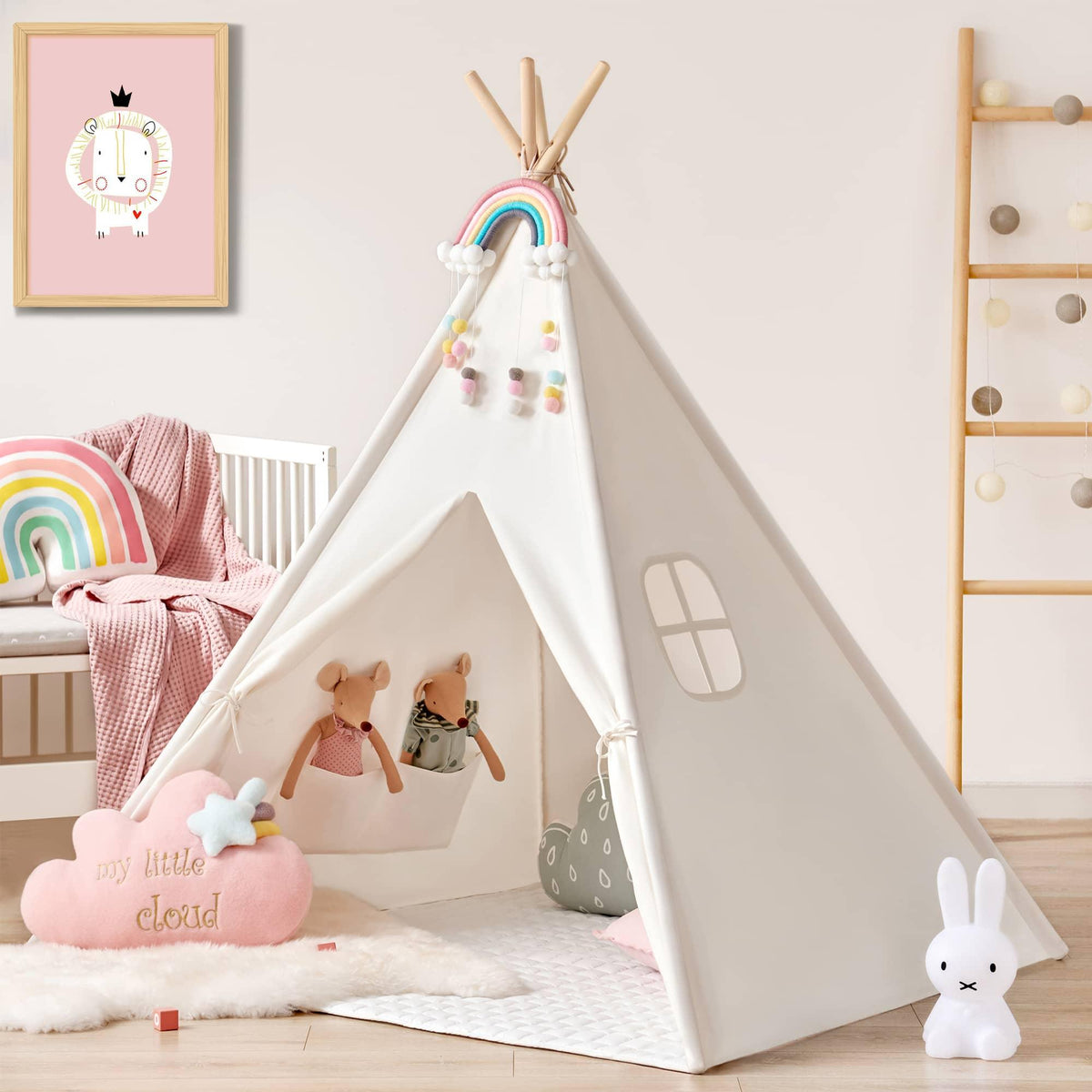
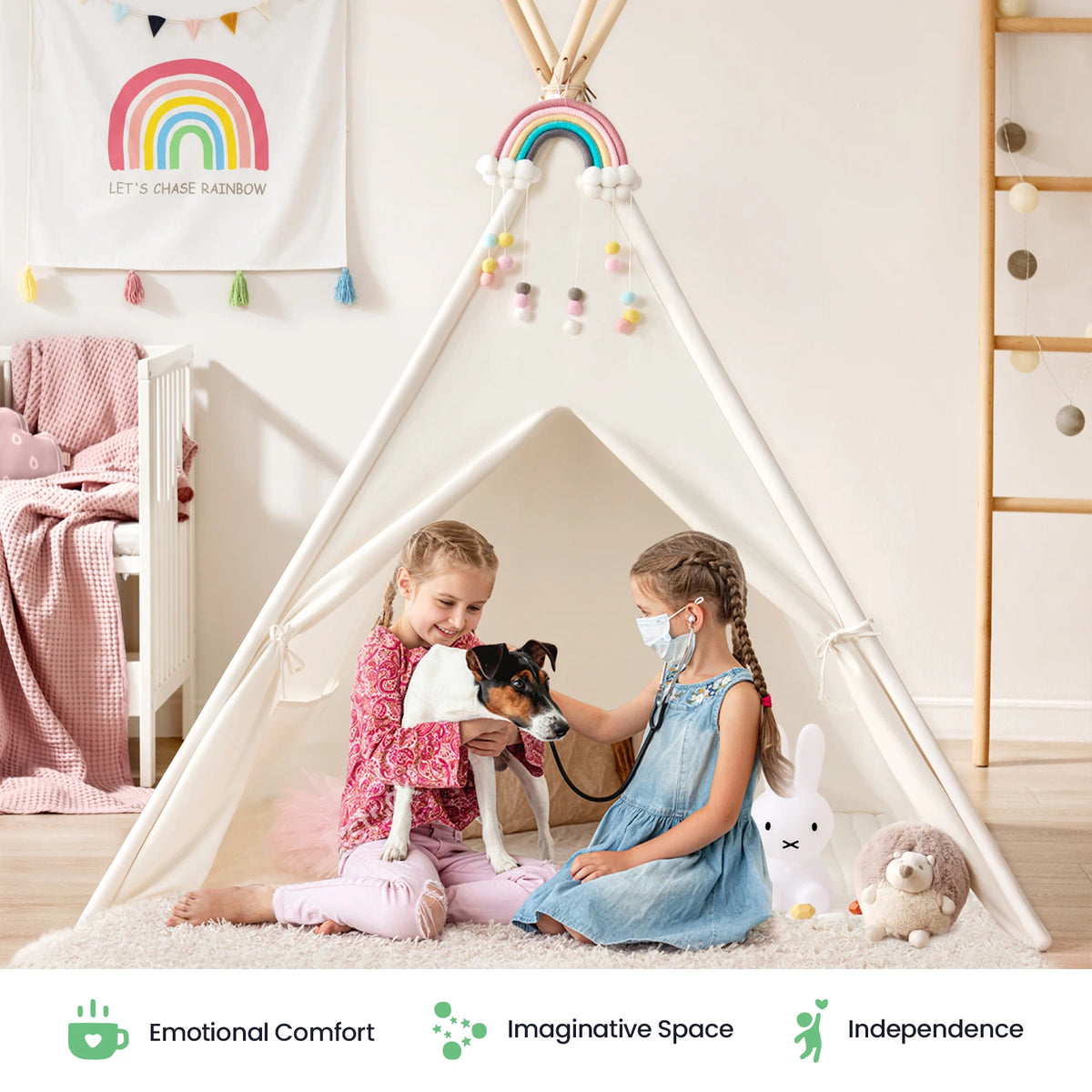
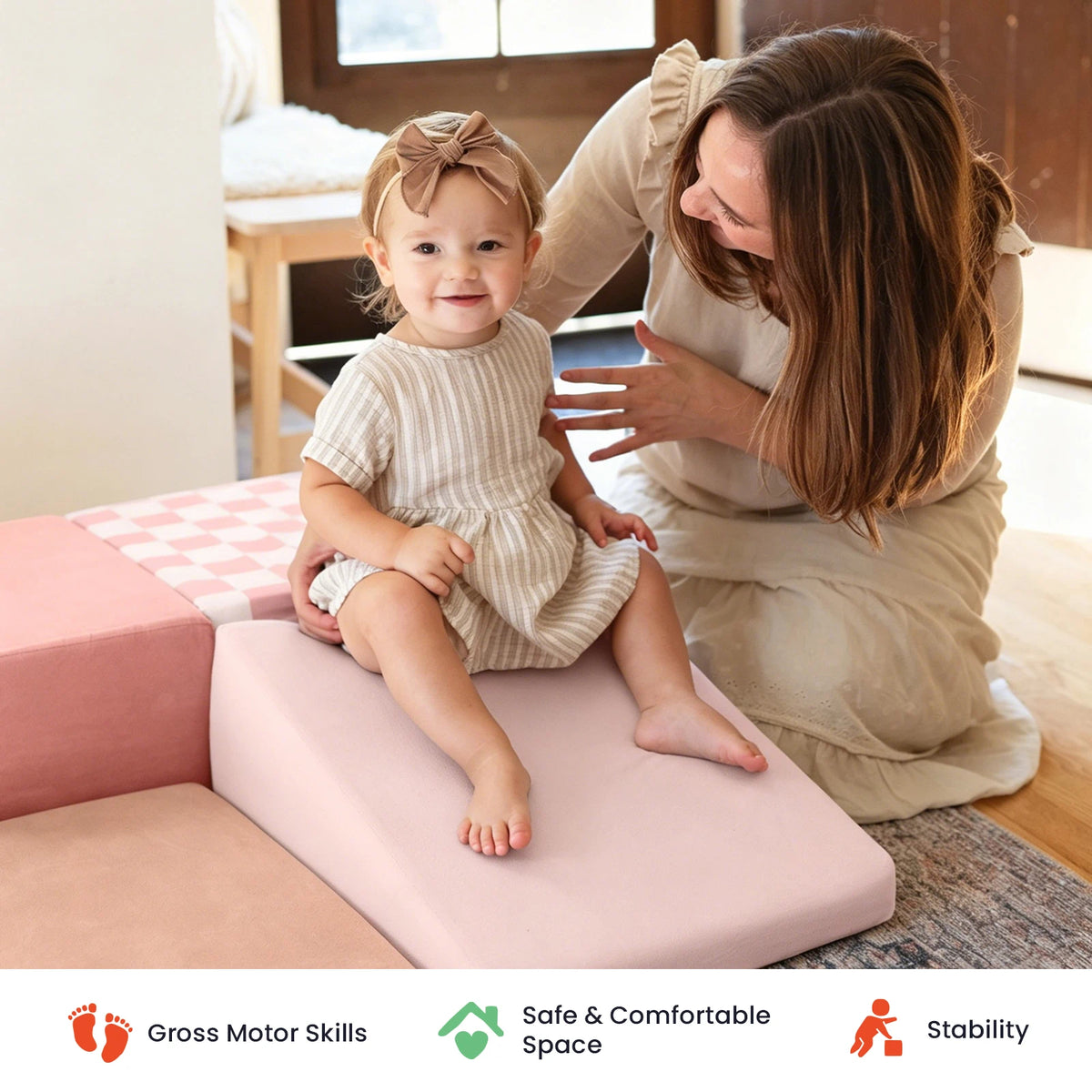
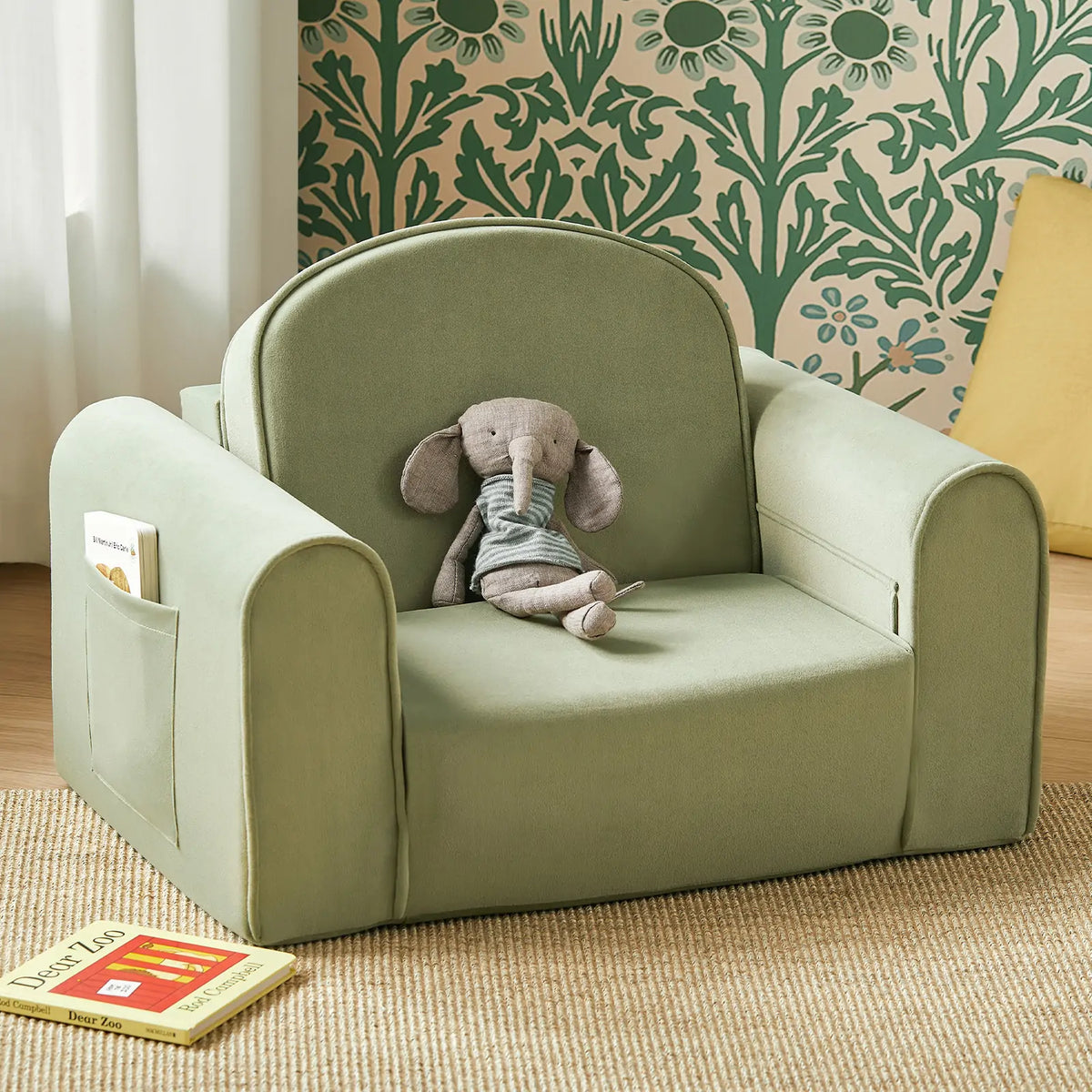
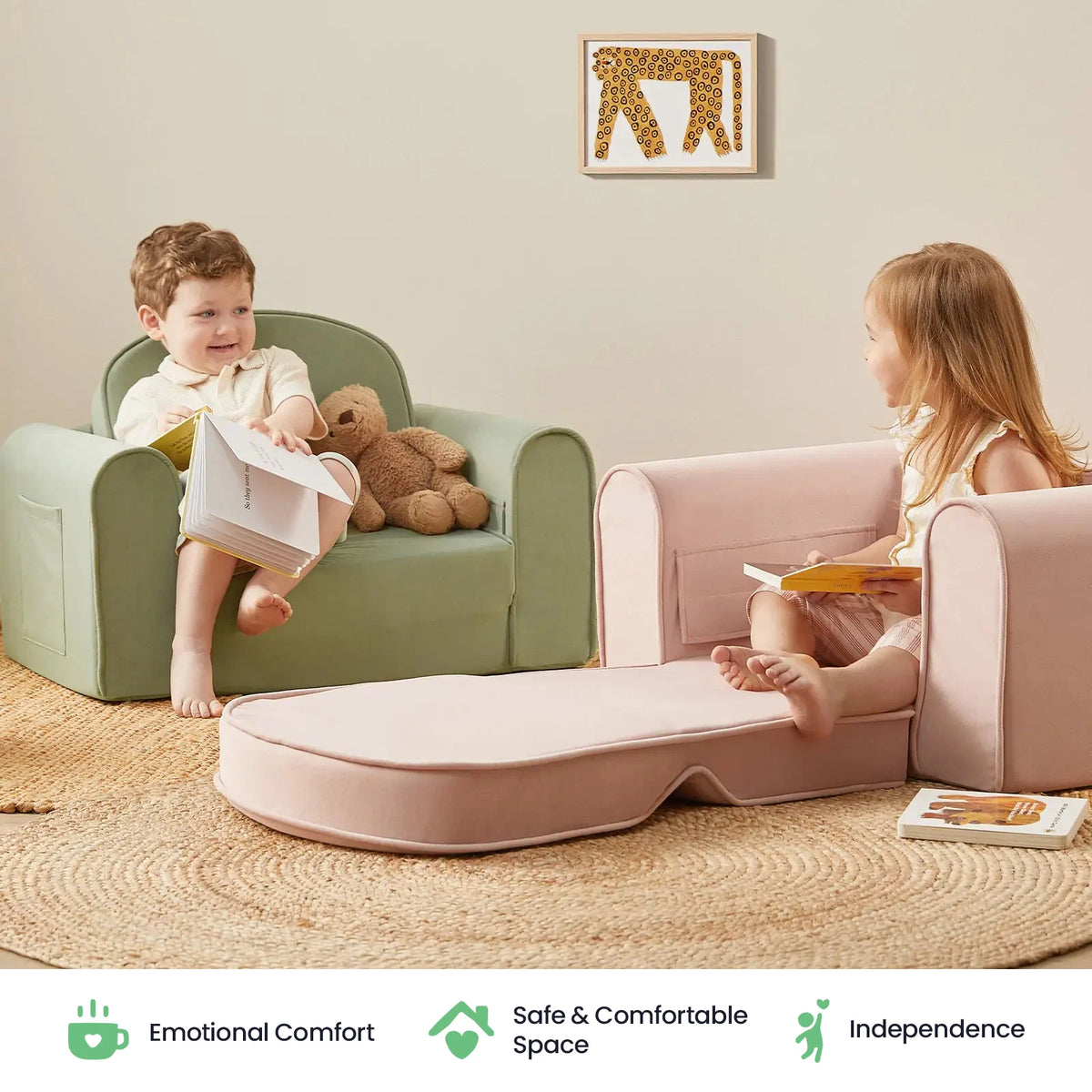
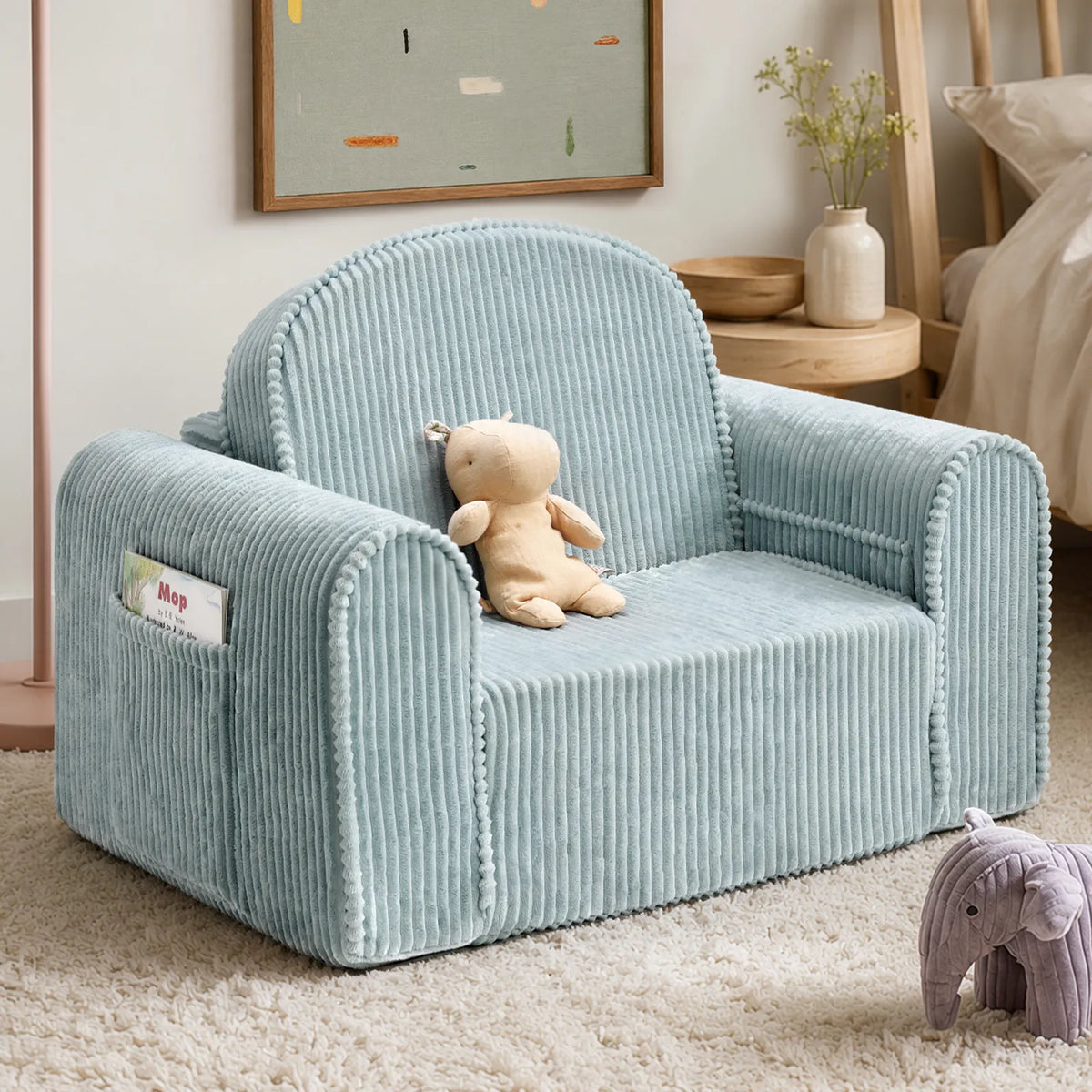
A Tiny Land Kids' Play Couch or Tiny Land Play Tent can help define a quieter area for books, imaginative play, or downtime.
Together, these different types of products can help families create play zones around how children naturally play—not simply around where toys happen to fit.

Before You Buy Another Toy, Try These 5 Changes
If your child isn't playing with their toys, try changing the environment first.
1. Move five favorite toys into view.
Don't reorganize the entire room.
Start with the toys your child already enjoys.
2. Put related materials together.
Keep pretend food with the kitchen. Keep dollhouse accessories with the dollhouse.
3. Remove some visual clutter.
Try temporarily storing toys that aren't currently being used.
4. Create one ready-to-play station.
Set up a simple activity your child can begin without significant adult preparation.
5. Simplify cleanup.
Use broad, easy-to-understand storage categories.
You may be surprised by how much difference these small changes make.

The 10-Minute Playroom Audit Checklist
Take one final look around your playroom.
SEE
☐ Can my child see their favorite toys?
☐ Are frequently used materials buried in large bins?
REACH
☐ Can my child appropriately access their favorite activities?
☐ Is the play space designed around their size and abilities?
START
☐ Are related materials stored together?
☐ Can my child begin a favorite activity without significant adult help?
CHOOSE
☐ Are too many toys available at once?
☐ Would a simple toy rotation make the space easier to navigate?
CLEAN
☐ Are storage categories easy for my child to understand?
☐ Can my child participate in cleanup?
If you identified several areas of friction, you may not need another toy.
You may simply need a better play environment.

Frequently Asked Questions
Why does my child ignore their toys?
Children may ignore toys for many reasons. The toys may be difficult to see or access, require too much setup, compete with too many other choices, or no longer match the child's current interests.
Looking at the play environment can help identify unnecessary barriers before buying more toys.
Why does my child have so many toys but still say they are bored?
Having many toys doesn't guarantee engaging play. A crowded play environment can make it harder for children to identify what they want to do.
Try reducing visual clutter, rotating toys, and creating clear play zones around different types of play.
Should I buy more toys if my child doesn't play with the ones they have?
Not necessarily. Before buying something new, check whether existing toys are visible, accessible, easy to start, and appropriate for your child's current interests.
Sometimes changing the environment can make familiar toys feel more engaging.
Does toy rotation help?
Toy rotation can be a practical way to reduce visual clutter and give children a manageable selection of choices. The ideal number of toys available will vary by child, age, space, and type of play.
How do I organize toys for independent play?
Keep frequently used materials visible and appropriately accessible. Group toys by activity or play type, store related accessories together, and use simple categories that children can understand.
How can I encourage more independent play?
Create an environment where children can safely access appropriate materials, make manageable choices, and begin familiar activities without excessive adult setup.
Open-ended pretend play, movement activities, and clearly defined play zones can all provide opportunities for children to explore independently.

A Better Playroom Doesn't Need More Toys
If your child is surrounded by toys but isn't playing with them, resist the urge to immediately buy something new.
Start with the environment.
- Make toys easier to SEE.
- Make appropriate materials easier to REACH.
- Make favorite activities easier to START.
- Reduce overwhelming choices so children can CHOOSE.
- And make cleanup simple enough to CLEAN together.
A thoughtfully designed play space doesn't need to be large, expensive, or perfectly styled.
It simply needs to make play easier to begin.
Because sometimes the best way to encourage more play isn't adding another toy.
It's removing the small barriers between your child and the play that's already waiting for them.
Explore More Tiny Land Play Ideas
Ready to create a play environment around how your child actually plays?
E
xplore Tiny Land's pretend-play kitchens, Montessori climbing toys, dollhouses, kids' play couches, play tents, and children's furniture to build spaces designed for imagination, movement, storytelling, and everyday play.

